Protecting Agent Safety at Open Houses: A 2026 Guide
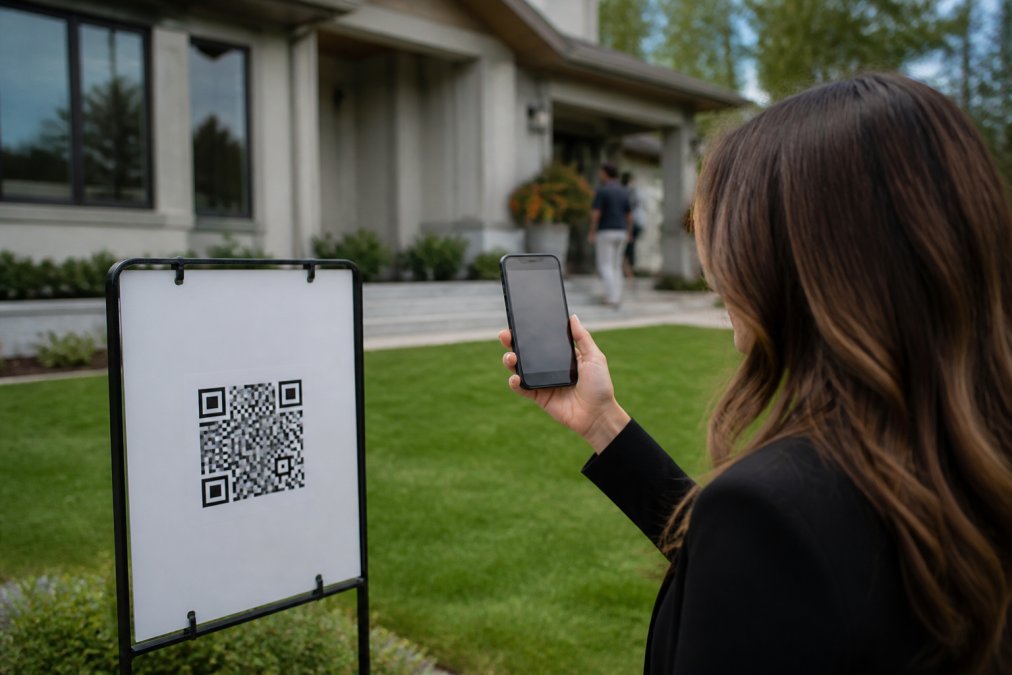
Table of Contents
- Why Agent Safety at Open Houses Matters
- Realtor Safety Protocols: Pre-Showing Preparation and Risk Assessment
- Safety Scripts for Real Estate Agents: Communication Strategies That Work
- Visitor Vetting and Access Control: The Digital Approach
- Securing Valuables and Managing Property Access
- Exit Strategies and Emergency Protocols
- Post-Event Debriefing and Incident Reporting
- Conclusion
Last Updated: August 20, 2026
Why Agent Safety at Open Houses Matters
Real estate agents face genuine risks during open houses. Strangers enter properties unsupervised, and agents often work alone in unfamiliar environments with limited backup. Protecting agent safety isn't just about avoiding worst-case scenarios, it's about creating conditions where agents can focus on connecting with serious buyers. When you eliminate uncertainty about who's walking through the door, you reduce anxiety, improve decision-making, and capture better leads simultaneously.
Traditional open house protocols, paper sign-in sheets, verbal screening, unlocked properties, leave too much to chance. A modern approach addresses agent safety, lead quality, and homeowner concerns all at once.
Realtor Safety Protocols: Pre-Showing Preparation and Risk Assessment
Every open house begins before visitors arrive. The pre-showing window is where you establish control, identify vulnerabilities, and set the tone for what comes next.
Start with a physical property walk-through at least 30 minutes before the first visitor. Check every entrance and exit. Verify that doors lock properly and windows are secure. Identify which rooms offer clear sightlines and which create blind spots. Note any items of obvious value that might attract unwanted attention, and look for hazards that could pose liability issues.
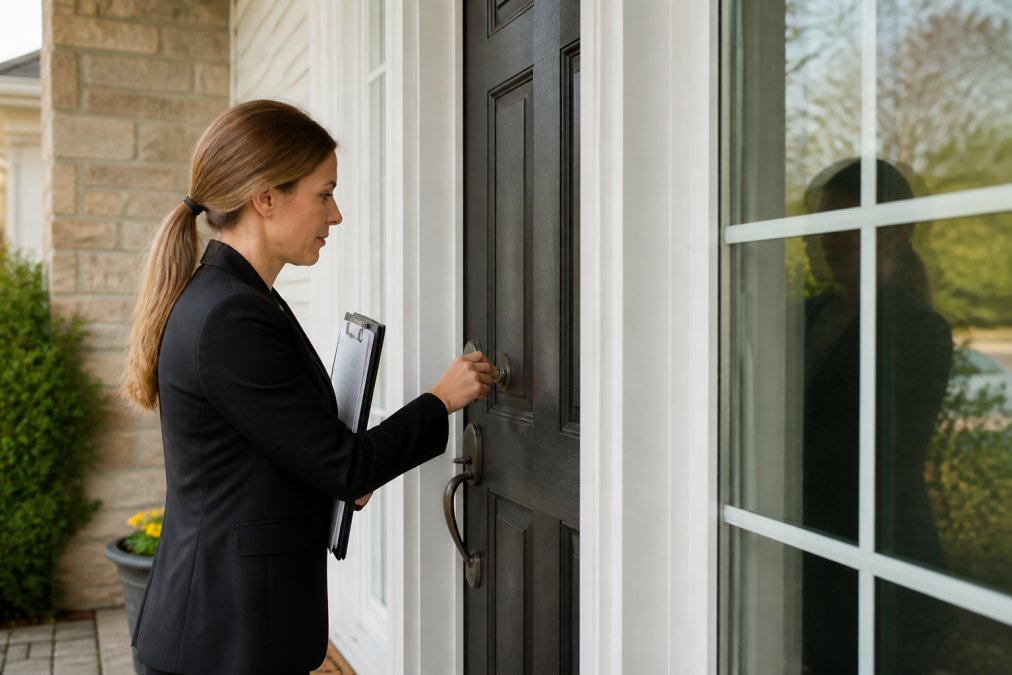
Document the property layout mentally. Know where the exits are and identify the safest position to stand during the showing, typically near an exit, never trapped in a corner or basement. Plan your route so you're never cut off from the main exit.
Notify your broker or manager that you're conducting an open house. Share the property address, your expected duration, and when you'll check back in. Review your brokerage's safety policies before every showing and test any digital check-in technology in advance.
Personal Security Checklist Before Each Showing
- Walk the entire property and identify all exits
- Verify doors and windows lock securely
- Note any hazardous items or valuable property requiring special attention
- Confirm your phone is fully charged
- Share property address and timeline with your broker or manager
- Test any digital check-in technology in advance
- Confirm your emergency contact knows you're hosting an open house
- Review your brokerage's safety policies for this property
- Plan your positioning during the showing (near exits, never trapped)
- Have a personal alarm or safety device accessible and ready
Identifying Red Flags and Suspicious Behavior
Red flags aren't accusations, they're signals that warrant closer attention or caution. Watch for visitors who avoid eye contact or seem uncomfortable answering basic questions about their situation. Serious buyers ask about condition, price, and neighborhood. Visitors who deflect questions may not be serious prospects.
Pay attention to non-verbal cues. Someone genuinely interested in the property will look around, open closets, and check fixtures. Someone scoping the property for other reasons often moves quickly through rooms without engaging with details.
Visitors who ask about security systems, alarm codes, or when the property will be empty are sending a clear message. Be cautious of visitors who try to separate you from other guests or isolate you in a room. Keep groups together and conduct private conversations in common areas where others can see you.
Document suspicious behavior. Note the time, description of the person, and what raised concern. If your brokerage uses a digital check-in system, you'll have verified contact information for every visitor, making reporting far more reliable than relying on memory or paper notes.
Safety Scripts for Real Estate Agents: Communication Strategies That Work
How you communicate sets the tone for the entire open house. Clear, confident language establishes boundaries, builds trust with legitimate buyers, and discourages bad actors.
Start with a warm greeting that includes a clear statement about the check-in process: "Welcome to [address]. Before we get started, I need everyone to check in using the QR code outside. It takes about 30 seconds, and you'll receive codewords by text and email that give you access to the property." Frame the process as a security measure for everyone involved. Legitimate buyers expect verification.
When you greet visitors after check-in, acknowledge them by name if possible and establish your presence. For group showings, maintain awareness of the entire group and position yourself where you can see all visitors. Move through the property with them rather than staying in one spot.
If a visitor makes you uncomfortable, trust that feeling. A simple, direct statement works: "I appreciate your interest, but I'm not comfortable continuing the showing. I think it's best if we wrap up here." You don't owe an explanation. Your safety comes first.
De-Escalation Techniques and Non-Verbal Cues
Keep your voice level and steady. Speak clearly and deliberately, as if you're in complete control of the situation. Use open body language with hands visible and uncrossed. Stand at a slight angle rather than directly facing someone, which can feel confrontational.
Listen without interrupting and acknowledge what visitors are saying. Never corner yourself physically or conversationally. If someone is blocking an exit, move sideways toward open space. If someone is asking aggressive questions, redirect to the property.
Recognize when a situation has crossed from uncomfortable to unsafe. If someone threatens you, refuses to leave, or exhibits behavior suggesting violence, stop engaging. Leave the property and call the police. No lead is worth physical harm.
Visitor Vetting and Access Control: The Digital Approach
Paper sign-in sheets create more problems than they solve. Visitors write fake names, invalid phone numbers, and illegible email addresses, leaving you with useless contact information and no way to verify who attended.
Digital check-in solves this problem at the entry point. Visitors scan a QR code, enter their contact information, and receive codewords before they can enter the property. Fake information generates no codeword. No codeword means no entry. This process is friction-free for legitimate buyers and an immediate barrier for bad actors.
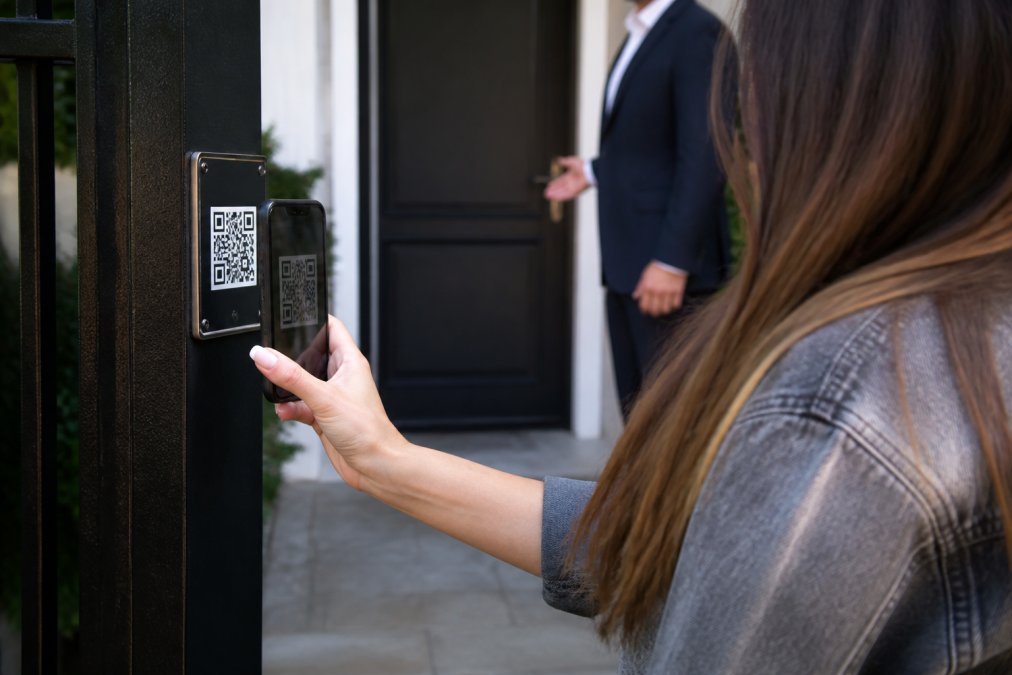
The verification process confirms that phone numbers and email addresses are real, creates an immediate timestamped record of who attended, deters people with fake information from attempting entry, and gives you instant notification when each visitor checks in. ohACCESS sends visitors two codewords — one by text, one by email — to gain access to the property, so it requires that they enter legitimate contact information in order to receive them. They scan a QR code outside the property first. The agent gets instantly notified with the visitors details when the contact form is submitted.
The data flows into your CRM automatically — every sign-in arrives as a formatted lead email (or through a Zapier webhook), eliminating manual data entry. Every visitor becomes a qualified lead, ready for follow-up without extra work on your part.
How Digital Open House Sign-In Sheets Deter Bad Actors
Bad actors avoid systems that create accountability. When someone knows their phone number and email will be verified and recorded, they move on to easier targets.
A visitor with genuine intent has no problem providing real contact information. A visitor with bad intent faces a choice: provide real information and become traceable, or provide fake information and get blocked from entry. Most choose to leave. This self-selection process is powerful.
When visitors see that check-in is required and verified, they know the property is protected and the agent is professional. For your own safety, the verification system creates a record. If something happens during or after the open house, you have verified information about who was present. You're not relying on memory or handwriting, you have data.
Securing Valuables and Managing Property Access
Protecting the property itself is part of protecting yourself. Before the open house, remove or secure high-value items. Jewelry, electronics, collectibles, and artwork should be stored out of sight. Lock bedrooms and bathrooms if possible to limit access to private spaces and reduce liability.
Secure the property's security system information. Don't leave codes, passwords, or documentation visible. Position yourself to monitor high-value areas during the showing. Use the lockbox strategically and lock the property immediately after the last visitor leaves. If the property has outdoor access, gates, side entrances, or pool areas, keep those locked during the open house.
Exit Strategies and Emergency Protocols
Knowing how to exit safely is as important as knowing how to manage visitors. Identify your primary exit before the open house begins, typically the main entrance, which you've already verified is secure and functional. Identify a secondary exit and practice opening it quickly.
Keep your car keys accessible. Don't leave keys in your purse at the front of the property. Know the surrounding area so if you need to leave quickly, you know where the nearest public space, neighbor's house, or main road is located.
Escape Routes and Situational Awareness
Position yourself where you can see all visitors and all exits. Don't get absorbed in conversation with one person while losing track of the group. Keep your phone accessible and charged. Consider keeping it in your hand or on a visible surface during the showing.
Trust your instincts about people. If someone makes you uncomfortable, that feeling is data. Increase your distance and awareness. Use the buddy system when possible, two people are harder targets than one and can monitor different areas.
If a situation escalates and you feel unsafe, leave immediately. Your safety is the only priority that matters. Call the police if you've been threatened or if you believe a crime is in progress.
Post-Event Debriefing and Incident Reporting
What you do after the open house matters as much as what you do during it. Immediately after the open house, review your visitor data. If you used a digital check-in system, you have verified contact information for every attendee. Note any suspicious behavior or visitors who raised concerns while details are fresh.
If anything concerning happened, inappropriate comments, attempts to access restricted areas, confrontations, report it to your broker immediately. If something was stolen or the property was damaged, document it with photos and a written description. Report it to your broker, the homeowner, and provide visitor information to the police.
Use post-event information to improve your process. If a particular property layout created safety concerns, note that for future showings. Every open house teaches you something.
Protecting agent safety at open houses requires a systematic approach that addresses physical security, visitor screening, communication, and emergency preparedness. Digital check-in systems transform open house management from a reactive process into a proactive one. By requiring verified contact information before entry, you eliminate fake visitors, deter bad actors, and capture qualified leads simultaneously. Every visitor becomes a trackable lead, your CRM stays clean, and you have documented proof of turnout to share with homeowners. Start by implementing these safety protocols at your next open house and measure the difference in both safety and lead quality.
Frequently Asked Questions
What are the best safety practices for real estate agents hosting open houses?
Start with a pre-showing perimeter check to identify exits, valuables, and potential hazards. Use the buddy system when possible, communicate your schedule to your broker, and maintain situational awareness throughout the event. Implement visitor vetting through check-in procedures, digital tools eliminate fake contact information and deter bad actors. Trust your instincts: if someone exhibits red flags or suspicious behavior, politely end the showing and contact your broker immediately. Keep emergency contacts readily available and establish clear exit strategies before visitors arrive.
How can digital open house sign-in sheets improve agent safety?
Digital check-in systems verify visitor identity by requiring legitimate contact information before access. When visitors scan a QR code and enter their phone number and email, they receive codewords by text and email, fake information means no entry. This filters out bad actors and creates an accurate visitor log. You're instantly notified of each visitor's details, giving you real-time awareness of who's in the property. Unlike paper sheets, digital systems integrate with your CRM, eliminating manual data entry and providing immediate access to visitor information for follow-up or incident reporting.
What should an agent do if they feel unsafe at an open house?
Trust your instincts immediately. If you sense threat or danger, excuse yourself to a safe area, a room with a clear exit or near your vehicle. Call your broker or local law enforcement without delay. Use de-escalation techniques if safe to do so: remain calm, use a steady voice, and avoid confrontation. After the incident, document everything: the visitor's description, time, behavior, and actions you took. Report the incident to your broker and file a report with local authorities if necessary. Review your visitor log to identify the person. Consider taking a personal safety or threat-assessment training course to build confidence for future situations.
How do you verify visitor identity at an open house?
Digital check-in systems are the most reliable method. Visitors scan a QR code, enter their phone number and email, and receive codewords by text and email, and they cannot enter without one. This ensures legitimate contact information and creates an auditable record. Traditional paper sign-in sheets are vulnerable to fake names and invalid numbers, making follow-up impossible and eliminating your ability to identify suspicious visitors. Digital verification also protects you from identity theft and privacy liability by confirming that the contact information is real and active before the visitor enters the property.
This article was written using GrandRanker
Frequently asked questions
What are the best safety practices for real estate agents hosting open houses?
Start with a pre-showing perimeter check to identify exits, valuables, and potential hazards. Use the buddy system when possible, communicate your schedule to your broker, and maintain situational awareness throughout the event. Implement visitor vetting through check-in procedures—digital tools eliminate fake contact information and deter bad actors. Trust your instincts: if someone exhibits red flags or suspicious behavior, politely end the showing and contact your broker immediately. Keep emergency contacts readily available and establish clear exit strategies before visitors arrive.
How can digital open house sign-in sheets improve agent safety?
Digital check-in systems verify visitor identity by requiring legitimate contact information before access. When visitors scan a QR code and enter their phone number and email, they receive codewords by text and email—fake information means no entry. This filters out bad actors and creates an accurate visitor log. You're instantly notified of each visitor's details, giving you real-time awareness of who's in the property. Unlike paper sheets, digital systems integrate with your CRM, eliminating manual data entry and providing immediate access to visitor information for follow-up or incident reporting.
What should an agent do if they feel unsafe at an open house?
Trust your instincts immediately. If you sense threat or danger, excuse yourself to a safe area—a room with a clear exit or near your vehicle. Call your broker or local law enforcement without delay. Use de-escalation techniques if safe to do so: remain calm, use a steady voice, and avoid confrontation. After the incident, document everything: the visitor's description, time, behavior, and actions you took. Report the incident to your broker and file a report with local authorities if necessary. Review your visitor log to identify the person. Consider taking a personal safety or threat-assessment training course to build confidence for future situations.
How do you verify visitor identity at an open house?
Digital check-in systems are the most reliable method. Visitors scan a QR code, enter their phone number and email, and receive codewords by text and email—they cannot enter without one. This ensures legitimate contact information and creates an auditable record. Traditional paper sign-in sheets are vulnerable to fake names and invalid numbers, making follow-up impossible and eliminating your ability to identify suspicious visitors. Digital verification also protects you from identity theft and privacy liability by confirming that the contact information is real and active before the visitor enters the property.
Keep reading
Start free with 25 verified check-ins. No credit card required.
Start Free