Open House Privacy Compliance: A 2026 Guide
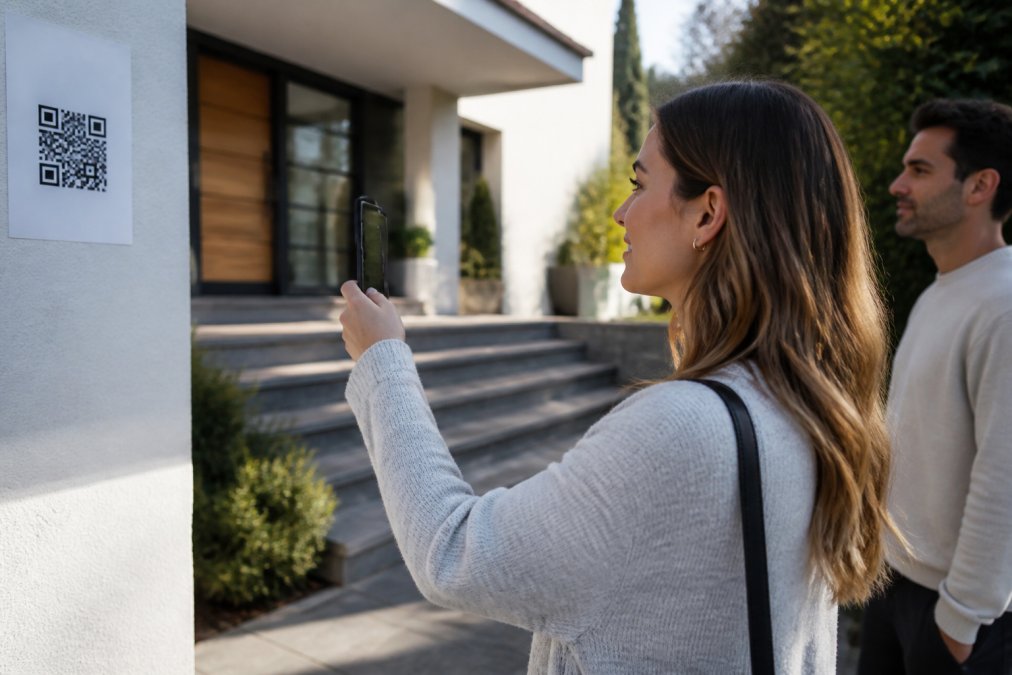
Table of Contents
- Why Open House Privacy Compliance Matters
- CCPA Compliance for Real Estate Agents
- Digital Open House Sign-In Compliance Standards
- Real Estate Data Privacy Best Practices
- Managing Visitor Data and Retention Policies
- Liability and Broker Responsibility
- Common Compliance Mistakes to Avoid
- Conclusion
Last Updated: August 18, 2026
Why Open House Privacy Compliance Matters
Real estate open house privacy compliance has become non-negotiable for agents and brokers managing visitor data. Every visitor who signs in provides personally-identifiable information, names, phone numbers, email addresses, that requires legal protection. The moment that data enters your system, you're responsible for its security, retention, and proper use under federal and state privacy laws.
A data breach exposes your clients' information, damages your reputation, and creates legal liability. Compliance failures trigger regulatory penalties and loss of client trust. Agents who handle visitor data casually, using paper sheets or unsecured spreadsheets, operate in a compliance gray zone that grows riskier every year.
Privacy legislation continues to expand. State laws like the California Consumer Privacy Act (CCPA) have set a national precedent for data protection standards. Real estate professionals must understand what these laws require, how to collect visitor information responsibly, and how to manage that data throughout its lifecycle. The good news: compliance doesn't require complicated infrastructure. It requires clear processes, proper disclosures, and the right tools.
CCPA Compliance for Real Estate Agents
The California Consumer Privacy Act applies to for-profit entities that collect personal information from residents, and its principles now influence privacy expectations across the industry. For real estate agents and brokers, CCPA compliance means understanding four core obligations: disclosure, access, deletion, and opt-out rights.
First, you must disclose what information you're collecting and why. At an open house, visitors need to know upfront that you're gathering their contact details, what you'll use that information for, and how long you'll keep it. A simple privacy notice at the entrance or embedded in your sign-in process satisfies this requirement.
Second, consumers have the right to access their personal information. If a visitor requests to see what data you collected about them, you must provide it within 45 days. This is straightforward if your visitor logs are organized and searchable.
Third, CCPA grants consumers the right to deletion. A visitor can request that you delete their information, and you must comply within 45 days unless you have a legal reason to retain it. You should have a documented retention policy that explains how long you keep inactive leads.
Fourth, the opt-out right is critical. Visitors must have the ability to decline future marketing communications. Your sign-in system should include a clear opt-out option, and you must honor those preferences in your follow-up campaigns.
Implement a sign-in process that captures explicit consent, maintains organized records, and respects visitor preferences. Many agents assume CCPA only applies in California, but other states have enacted similar laws. Colorado, Connecticut, and Virginia have all adopted consumer privacy frameworks. Staying compliant in California positions you well across multiple jurisdictions.
Digital Open House Sign-In Compliance Standards
Digital open house sign-in compliance standards exist to balance lead capture with data protection. A compliant system must verify visitor identity, obtain proper consent, secure the collected information, and maintain audit trails for accountability.

The foundation of a compliant sign-in system is verification. Paper sheets invite fake entries and wasted follow-up time. Digital systems that verify contact information before granting access solve this problem. ohACCESS sends visitors two codewords — one by text, one by email — to gain access to the property, requiring them to enter legitimate contact information to receive them. They scan a QR code outside the property first. The agent gets instantly notified with the visitor's details when the contact form is submitted. This verification step ensures that only legitimate visitors with real contact details gain access, and agents receive qualified leads ready for immediate follow-up.
Verification also serves a compliance purpose. It creates a documented record that the visitor intentionally provided their information and consented to your contact. This record protects you if a visitor later disputes that they provided consent.
Encryption and Data Security Requirements
Any digital sign-in system must encrypt visitor data both in transit and at rest. In transit means the data traveling from the sign-in form to your server uses HTTPS encryption, which is standard for any web-based system. At rest means the stored visitor information is encrypted in your database so that unauthorized access cannot expose the data.
Verify that your sign-in platform uses industry-standard encryption protocols. Ask your vendor: What encryption standard do you use? Is data encrypted at rest? Do you conduct regular security audits? A reputable platform will have clear answers and documentation to back them up.
Consider data minimization. Only collect the information you actually need. Name, phone number, and email are essential for follow-up. Additional fields should only be collected if you have a specific use for them and have disclosed that collection to the visitor.
Privacy Notices and Visitor Consent
A privacy notice is a written statement that discloses what information you collect, why you collect it, how long you retain it, and what rights the visitor has. This notice must be visible to visitors before they provide information.
For open houses, a simple notice posted at the entrance or displayed on the sign-in screen works well. It should cover:
- What information you're collecting (name, phone, email, etc.)
- The purpose (lead follow-up, seller reporting, market analysis)
- How long you'll retain the data (typically 12-24 months for inactive leads)
- Who can access the data (your team, your CRM, potentially your broker)
- The visitor's rights (access, deletion, opt-out)
- How to exercise those rights (contact email or phone)
Explicit consent is stronger than implicit consent. It creates a clear record that the visitor knowingly consented to data collection by actively checking a box or clicking "I agree" before submission.
Real Estate Data Privacy Best Practices
Beyond legal compliance, real estate data privacy requires operational discipline.
Limit access to visitor data within your organization. Not every team member needs to see every open house visitor list. Use your CRM's permission settings to restrict who can view, edit, or export visitor records.
Establish a data retention schedule. Decide in advance how long you'll keep visitor data from inactive leads. Common practice is 12 months for a lead that hasn't engaged. Document this policy and stick to it. After the retention period expires, delete the data unless the visitor has become an active client.
Train your team on data handling. Every agent and staff member who touches visitor data should understand your privacy obligations, your internal policies, and the importance of confidentiality.
Use secure methods for data sharing. If you need to share visitor data with your broker, your transaction coordinator, or your CRM vendor, use encrypted email or secure file transfer. Never email visitor lists as unencrypted attachments.
Implement audit logging. Your sign-in system should record who accessed visitor data, when, and what they did with it. This audit trail is invaluable if a breach occurs or if you need to demonstrate compliance to a regulator.
Managing Visitor Data and Retention Policies
A visitor data retention policy defines how long you keep information and what triggers deletion. This policy protects you legally and operationally.

Categorize your leads. Active leads, visitors who have engaged with you, expressed interest, or become clients, should be retained as long as the relationship is active. Inactive leads can be deleted after a set period, typically 12 months.
Your retention policy should address several scenarios:
- A visitor attends an open house but doesn't respond to follow-up. After 12 months of inactivity, delete their record.
- A visitor becomes a client. Retain their data for the duration of the transaction and for a reasonable period afterward (typically 3-7 years for legal and tax purposes).
- A visitor opts out of future communication. Honor the opt-out immediately and delete their record within a reasonable timeframe, or flag it as "do not contact" in your CRM.
- A visitor requests deletion. Comply within 45 days and document the deletion.
Document your retention policy in writing and share it with your team and broker. Verify that your sign-in system supports your retention schedule. Implement a process for actual deletion, not just flagging records. If you export visitor data to spreadsheets, delete those files when the retention period expires.
If a visitor becomes a client, their data shifts from visitor data to client data, and client data is typically retained longer for business and legal reasons. Distinguish between these categories in your retention policy.
Liability and Broker Responsibility
Broker liability for visitor data extends beyond individual agents. If an agent collects visitor information without proper consent, uses it for unauthorized purposes, or fails to secure it, the broker can be held responsible.
Brokers should establish clear data privacy policies for all agents and enforce them consistently. A broker's policy should address what sign-in methods agents can use, what information agents can collect, how agents must secure and store visitor data, how agents must handle deletion and opt-out requests, and what happens if an agent violates the policy.
Brokers should require agents to use compliant sign-in systems. A system like ohACCESS that includes built-in verification, consent capture, and a time-stamped record of every sign-in reduces the broker's liability because it enforces compliance automatically. Paper sheets and unsecured spreadsheets create liability because they leave compliance decisions to individual agents.
Brokers should conduct periodic audits of agent data practices. Are agents using approved sign-in systems? Are they maintaining proper records? Are they honoring opt-out requests? These audits demonstrate due diligence and help identify compliance gaps before they become problems.
Review your professional liability insurance with your insurance agent and understand what data privacy incidents are covered.
Common Compliance Mistakes to Avoid
Most compliance problems stem from a few recurring mistakes that are easy to prevent.
The first mistake is collecting information without consent. Always provide a clear privacy notice and obtain explicit consent before collecting information.
The second mistake is retaining data indefinitely. Delete inactive records after your retention period expires. A visitor who attended an open house three years ago and never responded has no expectation of being contacted now.
The third mistake is sharing visitor data without proper controls. Use secure methods and share only with people who have a legitimate business need for the data.
The fourth mistake is ignoring opt-out requests. Implement a system to track opt-out requests and honor them immediately.
The fifth mistake is using unsecured systems. Paper sign-in sheets can be lost, stolen, or accessed by unauthorized people. Digital systems with proper encryption and access controls are far more secure.
The sixth mistake is failing to document compliance efforts. Document your privacy policy, your consent process, your retention schedule, and your deletion practices. This documentation is your defense if a compliance issue arises.
Open house privacy compliance protects your visitors, your clients, and your business. The regulatory landscape continues to evolve, but the core principles remain consistent: collect information responsibly, use it for stated purposes, keep it secure, and delete it when it's no longer needed. Implementing a compliant sign-in process removes the guesswork and reduces your liability. ohACCESS is designed specifically for this purpose: its QR code verification system ensures that only legitimate visitors with real contact information gain access, agents receive qualified leads instantly, and all data is encrypted and automatically purged on a three-year retention schedule. The result is cleaner lead data, faster follow-up, and the confidence that your open house process meets current privacy standards.
Frequently Asked Questions
Are real estate agents required to collect visitor information at open houses?
No federal law requires agents to collect visitor information, but state privacy laws like the CCPA and CPRA impose strict rules on how you handle personally-identifiable information once collected. Many brokers require sign-in sheets for liability and lead-capture purposes. If you do collect data, you must comply with applicable privacy legislation, obtain proper consent, and maintain a clear data retention policy. Digital sign-in systems with verified contact information reduce compliance risk by ensuring data accuracy and enabling automated consent management.
How does CCPA compliance for real estate agents affect open house data collection?
The CCPA grants consumers the right to know what data you collect, delete their information, and opt out of data sales. As a real estate agent, you must provide a privacy notice before collecting phone numbers and emails, honor deletion requests within 45 days, and document your data governance practices. Non-compliance can result in fines up to $7,500 per violation. Digital sign-in systems that send visitors a verified codeword ensure you capture only legitimate contact information and give you a documented consent record for every visitor.
What should a privacy notice include for open house sign-in sheets?
Your privacy notice must disclose: what personally-identifiable information you collect (name, phone, email), why you collect it (lead capture, security), how long you retain it, and what rights visitors have (access, deletion, opt-out). Capture affirmative consent — a clearly worded consent button or checkbox creates the documented record you need. Post the notice visibly at the entrance or in your digital sign-in form. The notice should explain whether data goes to your CRM, third-party processors, or your brokerage. Keep records of the notice and consent for at least three years to demonstrate regulatory compliance.
What are the cybersecurity risks of collecting visitor data at open houses?
Paper sign-in sheets expose data to loss, theft, and unauthorized access. Digital systems using public Wi-Fi are vulnerable to interception unless encrypted. Visitor data stored in unencrypted spreadsheets or unsecured CRM systems can be breached, creating liability for you and your broker. Best practices include using HTTPS-encrypted digital sign-in platforms, implementing multi-factor authentication for CRM access, never storing data on public Wi-Fi networks, and using vendor management agreements with third-party processors. Encryption standards like AES-256 protect sensitive information from identity theft and data breach liability.
This article was written using GrandRanker
Frequently asked questions
Are real estate agents required to collect visitor information at open houses?
No federal law requires agents to collect visitor information, but state privacy laws like the CCPA and CPRA impose strict rules on how you handle personally-identifiable information once collected. Many brokers require sign-in sheets for liability and lead-capture purposes. If you do collect data, you must comply with applicable privacy legislation, obtain proper consent, and maintain a clear data retention policy. Digital sign-in systems with verified contact information reduce compliance risk by ensuring data accuracy and enabling automated consent management.
How does CCPA compliance for real estate agents affect open house data collection?
The CCPA grants consumers the right to know what data you collect, delete their information, and opt out of data sales. As a real estate agent, you must provide a privacy notice before collecting phone numbers and emails, honor deletion requests within 45 days, and document your data governance practices. Non-compliance can result in fines up to $7,500 per violation. Digital sign-in systems that send visitors a verified codeword ensure you capture only legitimate contact information and give you a documented consent record for every visitor.
What should a privacy notice include for open house sign-in sheets?
Your privacy notice must disclose: what personally-identifiable information you collect (name, phone, email), why you collect it (lead capture, security), how long you retain it, and what rights visitors have (access, deletion, opt-out). Capture affirmative consent — a clearly worded consent button or checkbox creates the documented record you need. Post the notice visibly at the entrance or in your digital sign-in form. The notice should explain whether data goes to your CRM, third-party processors, or your brokerage. Keep records of the notice and consent for at least three years to demonstrate regulatory compliance.
What are the cybersecurity risks of collecting visitor data at open houses?
Paper sign-in sheets expose data to loss, theft, and unauthorized access. Digital systems using public Wi-Fi are vulnerable to interception unless encrypted. Visitor data stored in unencrypted spreadsheets or unsecured CRM systems can be breached, creating liability for you and your broker. Best practices include using HTTPS-encrypted digital sign-in platforms, implementing multi-factor authentication for CRM access, never storing data on public Wi-Fi networks, and using vendor management agreements with third-party processors. Encryption standards like AES-256 protect sensitive information from identity theft and data breach liability.
Keep reading
Start free with 25 verified check-ins. No credit card required.
Start Free