Digital Sign-In Sheets for Real Estate: 2026 Guide

Table of Contents
- Why Digital Sign-In Sheets Matter for Real Estate Agents
- Digital Sign-In Sheets vs. Paper: Key Differences
- How QR Code Sign-In Real Estate Systems Work
- Top Digital Sign-In Sheet Solutions for Real Estate
- ohACCESS: Verified Check-In with Codeword Authentication
- Curb Hero: Free AI-Powered Sign-In and Follow-Up
- Open House Mode: Affordable Offline-Ready Solution
- Dotloop: All-In-One Transaction Management Platform
- ShowingTime: MLS-Integrated Showing and Feedback
- SkySlope: Brokerage-Wide Compliance and Transactions
- Realvolve: Customizable Workflow Automation
- Feature Comparison: Digital Sign-In Sheet Tools
- Real Estate Lead Capture Tools: What to Collect
- Real Estate CRM Integration: Automating Your Workflow
- Open House Sign-In Apps: Choosing the Right Fit
Digital Sign-In Sheets for Real Estate: 2026 Guide
Last Updated: July 28, 2026
Real estate agents lose qualified leads every single day because paper sign-in sheets capture fake names, invalid phone numbers, and email addresses that bounce. Digital sign-in sheets for real estate solve this problem by automating lead capture, eliminating manual data entry, and ensuring every visitor provides verified contact information. At ohACCESS, we built verified check-in because paper sheets leak qualified leads — fake names and dead phone numbers never convert. Below, we'll show you exactly how digital sign-in sheets work, compare the best platforms available, and help you choose the right solution for your business.
Why Digital Sign-In Sheets Matter for Real Estate Agents
Your sign-in sheet is your lead capture engine. Paper sheets create three immediate problems: data entry errors when you manually transcribe handwriting, fake names and numbers from prospects who don't want contact, and lost information when sheets get damaged or misplaced.
Digital sign-in sheets eliminate all three. When a visitor scans a QR code and enters their information, that data flows directly into your CRM with zero manual work. No transcription errors. No fake leads. No lost sheets. Verified contact information means your follow-up actually reaches people, not bounced emails or disconnected phone numbers.
Digital Sign-In Sheets vs. Paper: Key Differences
Paper sign-in sheets have one advantage: they require zero technology. Everything else favors digital.
Data Quality: Paper sheets capture whatever visitors write, fake names, partial phone numbers, illegible email addresses. Digital forms require complete, valid contact information before submission. Many platforms use verification codes sent to phone or email, ensuring the contact details actually work.
Time Investment: After a paper open house, you spend 30-60 minutes transcribing visitor information into your CRM. Digital sheets sync directly to your CRM instantly, eliminating manual entry entirely. That's 2-3 hours per week saved for agents doing multiple open houses.
Lead Follow-Up Speed: With paper, you transcribe notes days after the open house. With digital, you get visitor details in real-time, sometimes while the open house is still happening. This speed advantage matters because buyer interest is highest immediately after viewing a property.
Seller Reporting: Paper sheets give you a list of names. Digital solutions generate professional reports showing visitor count, buyer profile summaries, and qualified lead breakdowns that you can share with sellers within minutes of the event closing.
Compliance and Privacy: Paper sheets expose personal information to anyone who touches them. Digital platforms encrypt data, control access, and maintain audit trails for compliance with privacy regulations.
For most agents, digital is the clear winner.
How QR Code Sign-In Real Estate Systems Work
A QR code sign-in system for real estate works in five steps, and the entire process takes under two minutes per visitor.
First, you set up a digital sign-in form in the platform with fields like name, phone, email, and financing status. The system generates a unique QR code linked to that specific property and open house event.
Second, you print the QR code or display it on a tablet at your open house entrance. Visitors scan the code with their smartphones, no app download required.
Third, visitors fill out the form on their phone, typically asking for name, email, phone number, and 2-3 qualifying questions like pre-approval status or property type interest.
Fourth, the system verifies the contact information. What sets ohACCESS apart from other digital open house sign-in platforms is that we send visitors two codewords — one by text, one by email — to gain access to the property, so it requires that they enter legitimate contact information in order to receive them. They scan a QR code outside the property first. The agent gets instantly notified with the visitors details when the contact form is submitted. Fake information means no codeword, no entry. This verification step deters bad actors and ensures every lead in your follow-up list is legitimate.
Fifth, the visitor's details sync instantly to your CRM and a real-time dashboard shows you exactly who's attended. You can pull a professional report immediately after the open house showing visitor count, buyer profiles, and qualified prospects.
Top Digital Sign-In Sheet Solutions for Real Estate
ohACCESS: Verified Check-In with Codeword Authentication
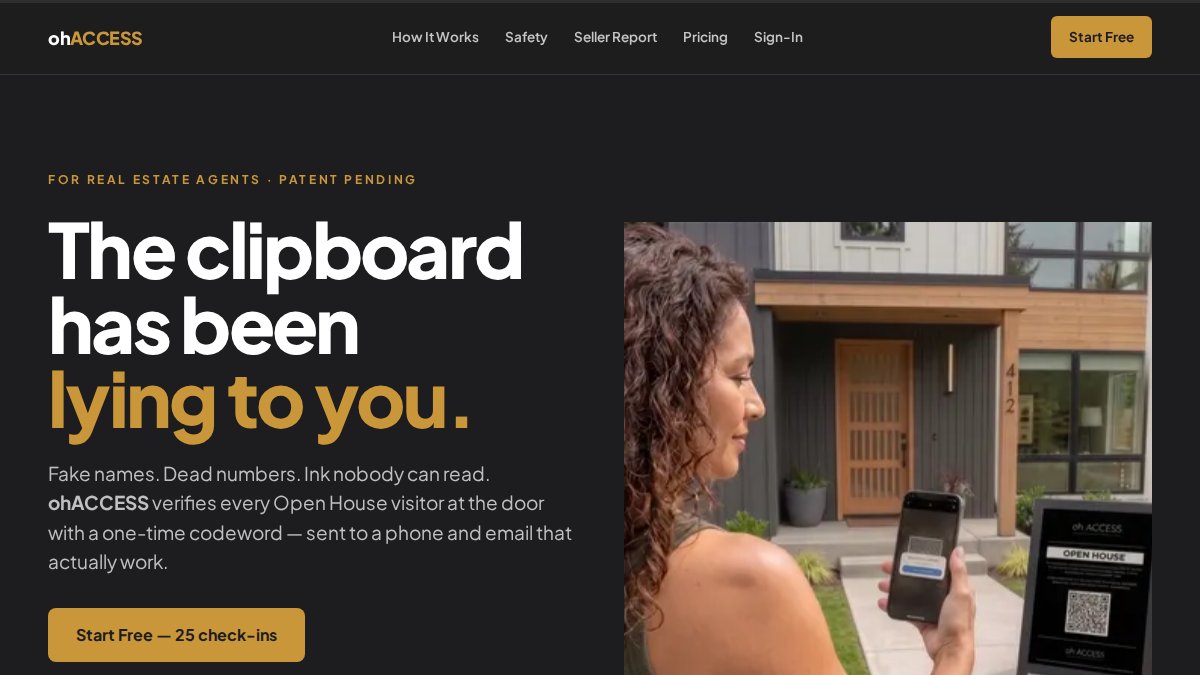
ohACCESS solves the core problem every agent faces: separating real leads from fake ones. The platform uses a verified QR-code system where visitors scan a code outside the property, fill out a contact form, and receive two one-time codewords — one by text, one by email. They share a codeword with the host to gain access. Fake information means no codeword, no entry. This single feature eliminates the fake lead problem that plagues every other digital sign-in solution.

When a visitor provides contact information, they immediately receive a codeword by text and a second codeword by email. This proves the phone number and email are real and owned by an actual person. Agents get instant notification with verified visitor details the moment the form is submitted. The platform syncs directly to your CRM, eliminating manual data entry. Agents generate one-tap professional reports to share with sellers, showing turnout, buyer profiles, and qualified prospects.
Key features include verified QR-code check-in, two-codeword verification (text + email), automatic CRM lead delivery, and one-tap seller report generation.
Curb Hero: Free AI-Powered Sign-In and Follow-Up
Curb Hero delivers a completely free digital sign-in solution with AI-powered features that usually cost extra on paid platforms. Visitors scan a QR code on their own devices and sign in without downloading an app. The platform integrates with over 6,000 CRMs, so your visitor data flows directly into whatever system you're already using.
What sets Curb Hero apart is the free tier. You get customizable sign-in fields, automated follow-up messages via text and email, and AI-powered virtual staging and location insights included at no cost. For agents who want to test digital sign-in without financial commitment, Curb Hero is the obvious choice.
The main limitation: Curb Hero doesn't verify contact information the way ohACCESS does. Visitors can still enter fake data into the form. For agents in competitive markets where lead quality matters most, this gap becomes noticeable.
Open House Mode: Affordable Offline-Ready Solution
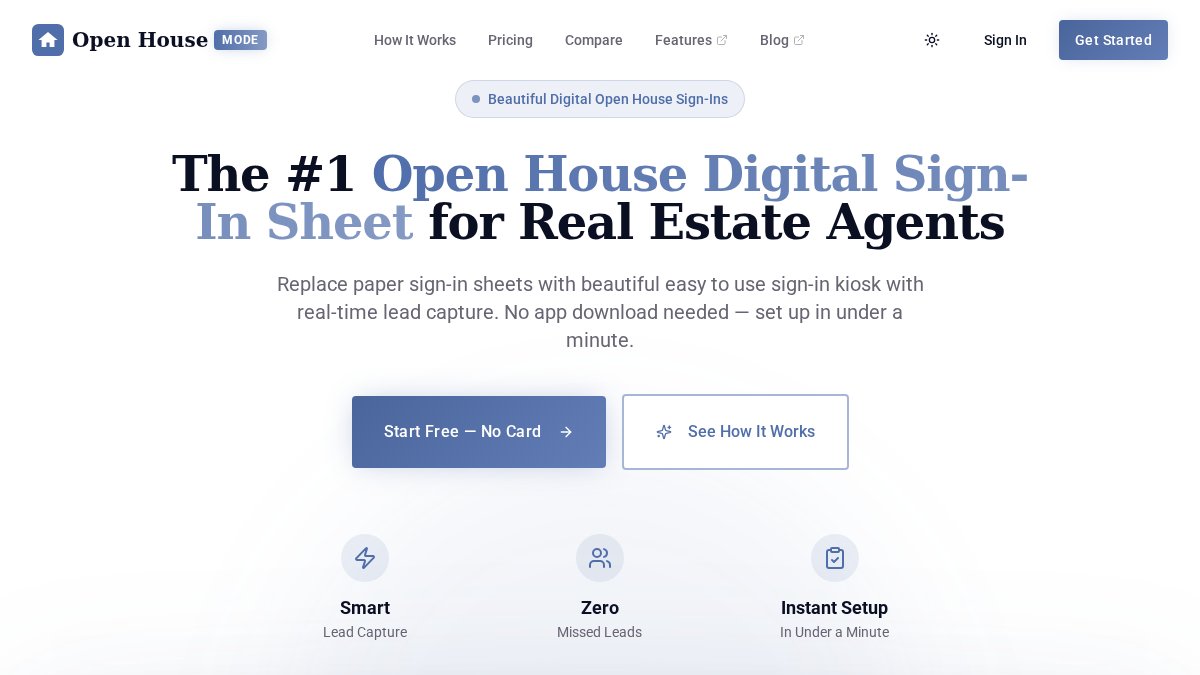
Open House Mode focuses on simplicity and reliability. The platform lets guests sign in via QR code on their own phones without requiring an app download. Critically, Open House Mode includes offline mode, if your open house location has spotty Wi-Fi or no connectivity, the app still collects data locally and syncs when connection returns.
This offline capability matters more than it sounds. Real estate agents often show properties in rural areas, new developments, or buildings with poor signal. Open House Mode doesn't fail in these scenarios. The platform also offers customizable fields, branded kiosk display, and CSV export for CRM imports.
Dotloop: All-In-One Transaction Management Platform
Dotloop is a complete transaction management solution that includes digital sign-in as one feature among many. The platform handles eSignatures, document management, task automation, and compliance tracking, making it ideal for brokerages managing multiple agents across multiple offices.
The platform includes mobile app access, real-time notifications, and brokerage-wide analytics. For teams needing unified transaction management plus open house sign-in, Dotloop consolidates multiple tools into one system.
ShowingTime: MLS-Integrated Showing and Feedback
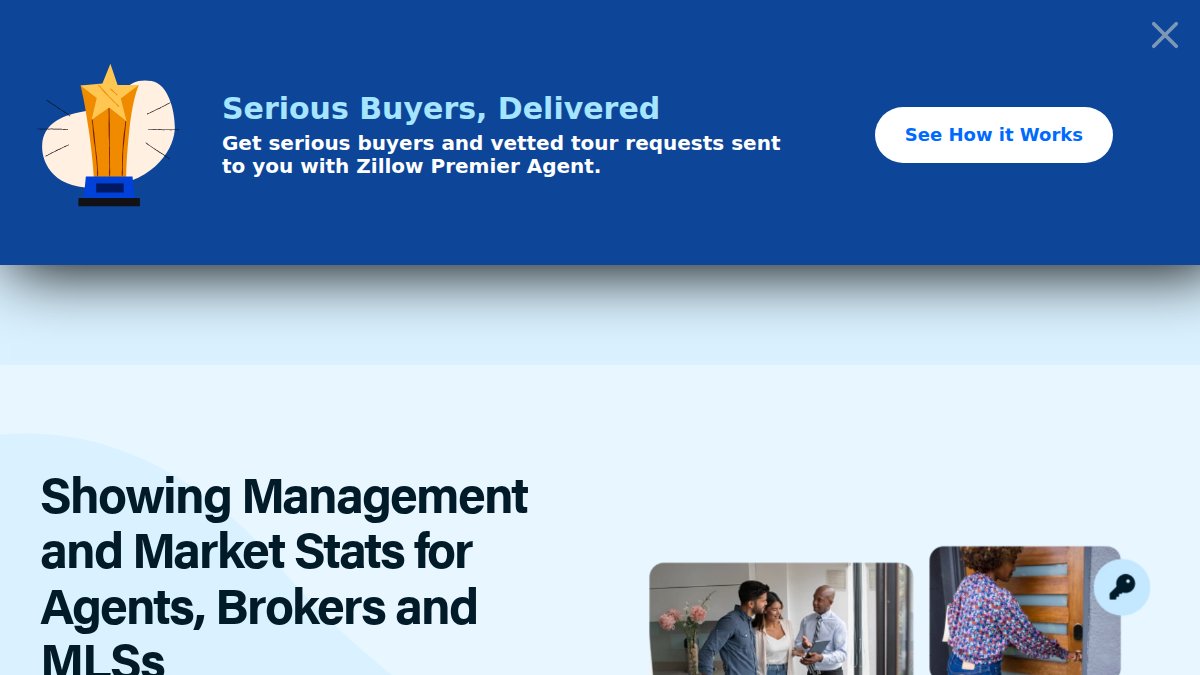
ShowingTime, now part of Zillow Group, is the industry standard for managing showing appointments and collecting feedback from buyer's agents. The platform automates showing scheduling, confirmations, and feedback collection. It integrates directly with MLS systems, making it widely accessible across the country.
ShowingTime focuses on the showing appointment workflow rather than open house sign-in, but many agents use it for both. The platform includes market analysis reports and offer management tools.
SkySlope: Brokerage-Wide Compliance and Transactions
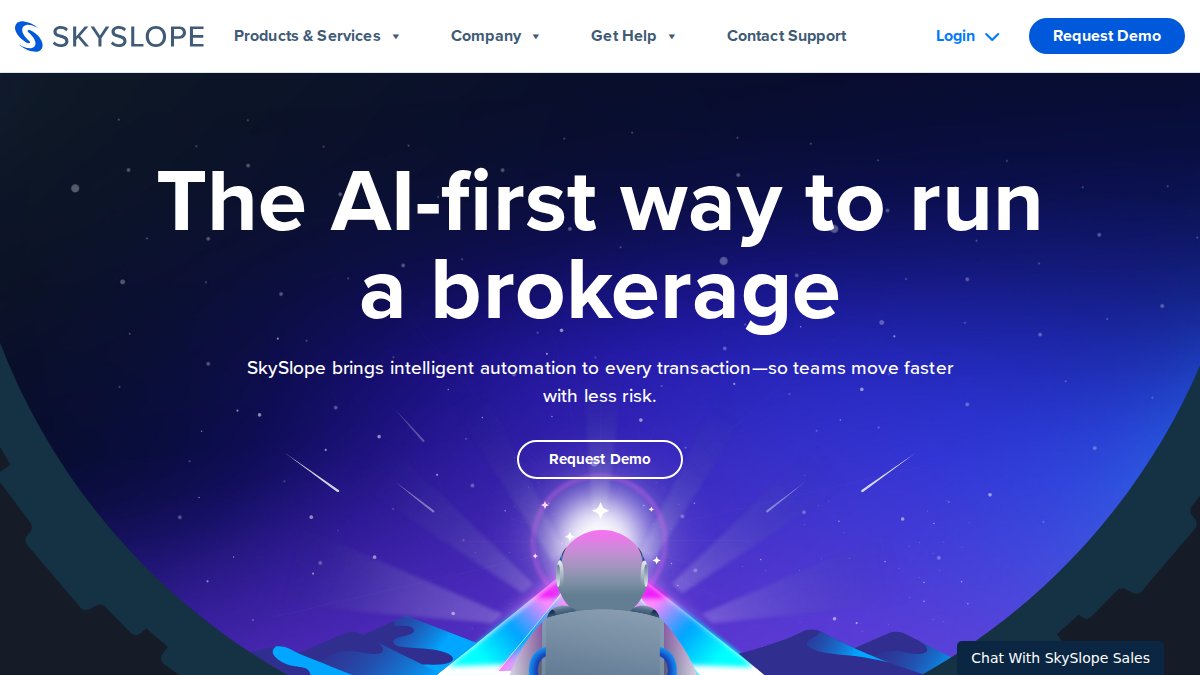
SkySlope is a compliance and transaction management platform designed for brokerages managing multiple agents. The platform includes e-signature capabilities (DigiSign), transaction checklists, compliance dashboards, and mobile access. It's built for back-office operations and brokerage oversight rather than individual agent lead capture.
The platform integrates well with its own DigiSign e-signature tool and provides strong compliance tracking. For brokerages needing system-wide compliance and transaction oversight, SkySlope provides that infrastructure.
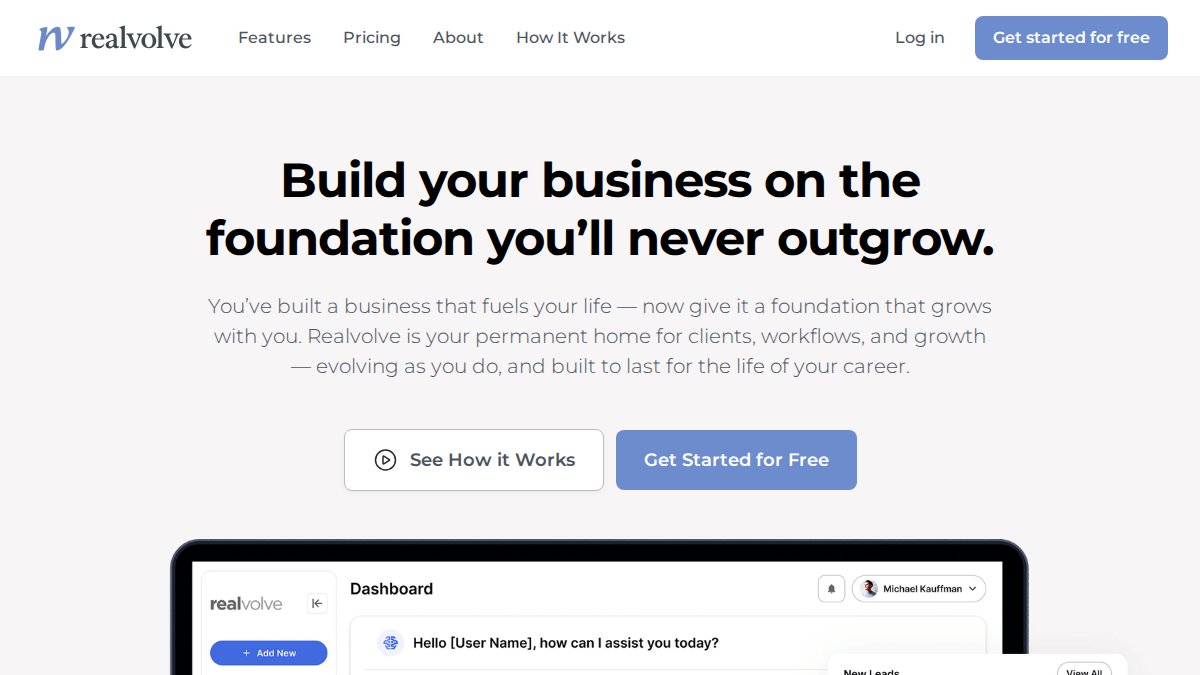
Realvolve: Customizable Workflow Automation
Realvolve is a real estate CRM focused on workflow automation and customization. The platform lets you build custom workflows, automate repetitive tasks, and manage contacts and transactions.
Realvolve is best for systems-oriented agents and teams who want deep customization. Once configured, it handles complex lead management workflows that other CRMs can't match. For open house sign-in specifically, Realvolve isn't as specialized as platforms built solely for that purpose, but you can integrate open house data into your existing workflows.
Feature Comparison: Digital Sign-In Sheet Tools
| Tool | Free Tier | Best For | Key Differentiator |
|---|---|---|---|
| ohACCESS | Free trial (25 sign-ins) | Agents prioritizing lead quality | Verified codeword authentication |
| Curb Hero | Yes (full) | Budget-conscious agents testing digital | AI virtual staging included |
| Open House Mode | No | Agents needing offline mode | Reliable offline data collection |
| Dotloop | Yes (limited) | Brokerages managing transactions | All-in-one transaction platform |
| ShowingTime | No | Listing agents managing showings | MLS-integrated showing workflow |
| SkySlope | 14-day trial | Brokerages with compliance needs | Brokerage-wide compliance tracking |
| Realvolve | No | Systems-oriented teams | Deep workflow customization |
Real Estate Lead Capture Tools: What to Collect
The information you collect at open houses determines the quality of your follow-up. Collect too little and you can't segment or personalize. Collect too much and visitors abandon the form before finishing.
Essential fields (must collect):
- Full name
- Phone number (mobile preferred)
- Email address
- Pre-approval status (Yes / No / Unsure)
These four fields take 30 seconds to complete and give you enough information to qualify leads and follow up meaningfully. Agents who collect only these see completion rates above 90%.
Secondary fields (should collect if possible):
- Timeline to purchase (immediate, 3-6 months, 6-12 months, just browsing)
- Property type interest (single-family, condo, investment, etc.)
- Price range
These fields segment your leads so you can tailor follow-up. Adding these fields typically drops completion rates to 75-85%, but the segmentation value often justifies it.
Real Estate CRM Integration: Automating Your Workflow
The real value of digital sign-in sheets appears when visitor data flows directly into your CRM. Manual transcription kills the speed advantage that digital capture provides.
Most platforms integrate with major CRMs through direct connectors or Zapier. When a visitor submits their information, it automatically creates a new contact in your CRM with all fields populated, no manual entry required. Setup typically takes 15-30 minutes. You authenticate your CRM account in the sign-in platform, map the form fields to your CRM fields, and test with a sample submission.
The automation extends to follow-up. You can trigger automated email sequences the moment a visitor signs in. A common workflow: visitor signs in → CRM contact created → automated welcome email sent → task created for agent follow-up call. This entire sequence happens without you touching anything.
For agents using CRMs like HubSpot, Pipedrive, or Salesforce, direct integrations are available. For less common CRMs, Zapier bridges the gap.
Open House Sign-In Apps: Choosing the Right Fit
Choosing between digital sign-in platforms depends on three factors: budget, feature requirements, and technical comfort.
If budget is your primary concern: Start with Curb Hero's free tier. You get digital sign-in, CRM integration, and automated follow-up at zero cost. Test the workflow for 2-3 open houses before committing to paid platforms.
If lead quality is your priority: ohACCESS stands out because the verification layer ensures every lead is real. The codeword system prevents fake entries without adding friction to the sign-in process. For agents in competitive markets where every qualified lead matters, this verification difference justifies the platform choice.
If you need offline capability: Open House Mode is the only platform that reliably captures data when Wi-Fi fails. If you show properties in rural areas or new developments with spotty connectivity, this feature prevents data loss that other platforms would suffer.
If you're a larger brokerage: Dotloop or SkySlope provide the transaction management and compliance infrastructure that solo agents don't need. These platforms consolidate multiple tools but come with higher complexity.
If you want deep customization: Realvolve lets you build custom workflows that match your specific process. Once configured, it handles complex lead management that off-the-shelf platforms can't match.
The most common path: agents start with a free or low-cost platform, test the workflow for 4-6 open houses, then upgrade to a paid platform once they see the value.
Most real estate agents still use paper sign-in sheets despite knowing they capture fake leads and waste hours on manual data entry. But the agents who make the switch report dramatically better lead quality and 5-10 hours per week in time savings. ohACCESS eliminates the fake lead problem entirely through verified codeword authentication, syncs visitor data directly to your CRM automatically, and generates professional seller reports in seconds. Start with a free trial and see the difference verified lead capture makes in your open house conversion rates.
Frequently Asked Questions
What information should a digital sign-in sheet collect from open house visitors?
Essential contact information includes full name, phone number, and email address. Many real estate lead capture tools also collect property interest level, buyer qualification status (pre-approved, looking, just browsing), and agent preference. Some platforms allow custom fields for specific listing details or follow-up preferences. The key is collecting enough data to qualify leads without creating friction that discourages sign-ins.
How do digital sign-in sheets integrate with real estate CRM integration?
Most digital sign-in sheet platforms sync visitor data directly to your CRM automatically, eliminating manual data entry. When a visitor completes the sign-in form, their contact information is instantly pushed to your CRM system, creating a new lead record or updating existing contact details. This real-time integration ensures lead data is immediately available for follow-up campaigns, automated nurturing sequences, and pipeline management without delays.
Are there free digital sign-in sheet options for real estate agents?
Yes, several platforms offer free tiers. Curb Hero provides completely free digital sign-in sheets with customizable fields and integrations with over 6,000 CRMs. Dotloop offers a free plan for individual agents with basic features. LionDesk provides a free trial, though the service was discontinued in September 2025. Free options work well for solo agents or those testing digital sign-in before committing to paid solutions.
What makes QR code sign in real estate more effective than traditional paper sheets?
QR code sign-in systems eliminate manual handwriting errors, fake entries, and illegible contact information. Visitors scan a code on their own smartphone or tablet, entering accurate data directly into the system. Some platforms, like ohACCESS, add verification layers, sending visitors codewords by text and email to confirm legitimate contact information before granting property access. This reduces bad-actor targeting and ensures every lead in your pipeline is genuinely interested and properly qualified.
Can I use digital sign-in sheets if my broker manages multiple agents and offices?
Yes, many platforms support multi-agent and multi-office setups. SkySlope is specifically designed for brokerage-wide compliance and analytics, allowing centralized management across multiple agents and locations. Dotloop and Realvolve also offer team and brokerage plans with custom pricing. These enterprise-level solutions provide reporting dashboards, compliance oversight, and bulk lead management capabilities that work across your entire organization.
This article was written using GrandRanker
Frequently asked questions
What information should a digital sign-in sheet collect from open house visitors?
Essential contact information includes full name, phone number, and email address. Many real estate lead capture tools also collect property interest level, buyer qualification status (pre-approved, looking, just browsing), and agent preference. Some platforms allow custom fields for specific listing details or follow-up preferences. The key is collecting enough data to qualify leads without creating friction that discourages sign-ins.
How do digital sign-in sheets integrate with real estate CRM integration?
Most digital sign-in sheet platforms sync visitor data directly to your CRM automatically, eliminating manual data entry. When a visitor completes the sign-in form, their contact information is instantly pushed to your CRM system, creating a new lead record or updating existing contact details. This real-time integration ensures lead data is immediately available for follow-up campaigns, automated nurturing sequences, and pipeline management without delays.
Are there free digital sign-in sheet options for real estate agents?
Yes, several platforms offer free tiers. Curb Hero provides completely free digital sign-in sheets with customizable fields and integrations with over 6,000 CRMs. Dotloop offers a free plan for individual agents with basic features. LionDesk provides a free trial, though the service was discontinued in September 2025. Free options work well for solo agents or those testing digital sign-in before committing to paid solutions.
What makes QR code sign in real estate more effective than traditional paper sheets?
QR code sign-in systems eliminate manual handwriting errors, fake entries, and illegible contact information. Visitors scan a code on their own smartphone or tablet, entering accurate data directly into the system. Some platforms, like ohACCESS, add verification layers—sending visitors codewords by text and email to confirm legitimate contact information before granting property access. This reduces bad-actor targeting and ensures every lead in your pipeline is genuinely interested and properly qualified.
Can I use digital sign-in sheets if my broker manages multiple agents and offices?
Yes, many platforms support multi-agent and multi-office setups. SkySlope is specifically designed for brokerage-wide compliance and analytics, allowing centralized management across multiple agents and locations. Dotloop and Realvolve also offer team and brokerage plans with custom pricing. These enterprise-level solutions provide reporting dashboards, compliance oversight, and bulk lead management capabilities that work across your entire organization.
Keep reading
Start free with 25 verified check-ins. No credit card required.
Start Free