Improving Open House Lead Quality: A 2026 Guide
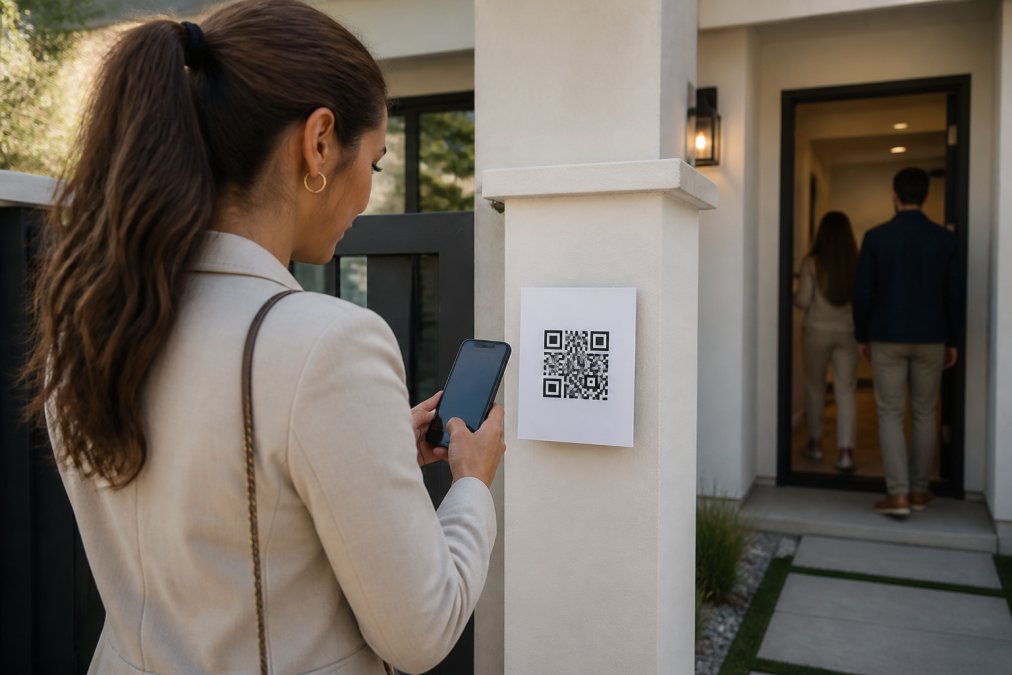
Table of Contents
- Why Open House Lead Quality Matters More Than Visitor Volume
- Verified Check-In Systems: The Foundation of Lead Quality
- Qualifying Questions for Open House Visitors
- Open House Follow-Up Scripts That Convert Cold Leads to Warm Prospects
- Best Digital Open House Sign-In Apps and Their Role in Lead Quality
- Post-Open House ROI Analysis and Reporting
- Common Mistakes That Destroy Open House Lead Quality
- Conclusion
Last Updated: August 16, 2026
Why Open House Lead Quality Matters More Than Visitor Volume
Most agents measure open house success by counting heads, but data tells a different story: more visitors doesn't equal more qualified leads or closed deals. A single serious buyer ready to make an offer is worth exponentially more than fifty tire-kickers. Yet many agents still rely on paper sign-in sheets, which capture fake names, invalid phone numbers, and bounced emails.
Open house lead quality is the difference between a follow-up sequence that converts and one that collapses after the first email. When you know which visitors were genuinely interested and qualified, your conversion rate improves, your CRM stays clean, and your time investment returns results.
The problem isn't that agents don't follow up, it's that they're following up with the wrong people. The solution isn't working harder. It's capturing better information from the start.
Verified Check-In Systems: The Foundation of Lead Quality
Before you can qualify a lead, you need to know it's real. Traditional paper sign-in sheets don't verify anything. A verified check-in system changes this equation entirely.
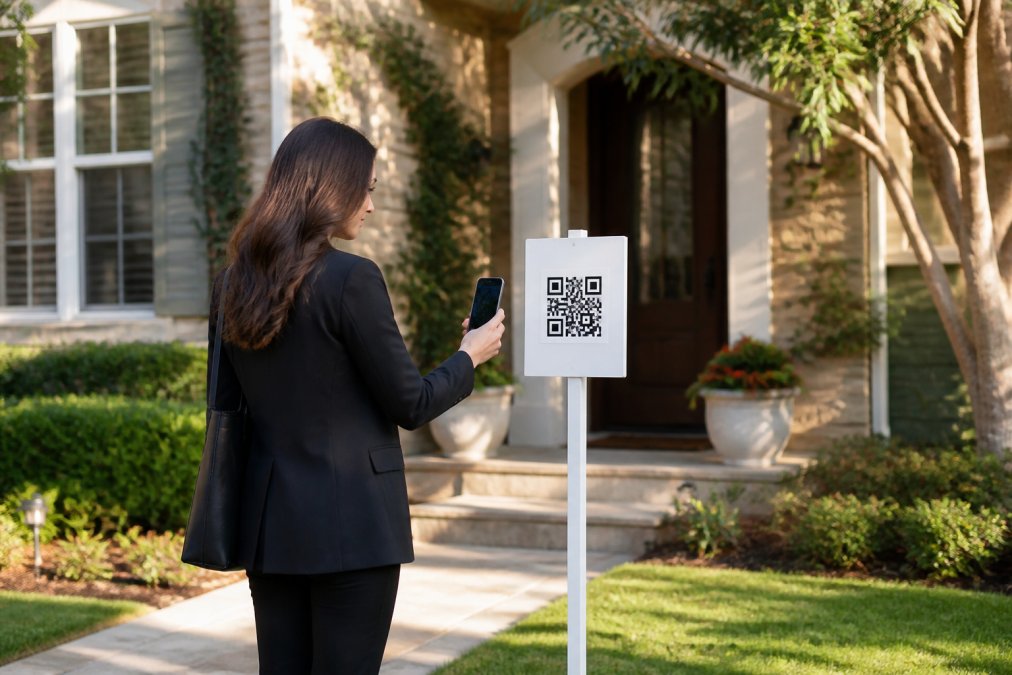
Visitors scan a QR code outside the property first. They submit their contact information through a form and receive codewords by both text and email. They share a codeword with the host agent to access the open house. No valid contact info, no codeword. No codeword, no entry. This single requirement eliminates the vast majority of bad data before it reaches your pipeline.
How QR Code Verification Eliminates Fake Contact Information
This creates immediate friction for bad actors. Someone targeting agents for data harvesting isn't going to provide real contact information. They bounce. Meanwhile, genuine buyers, who actually want to see the property, complete the process without hesitation. The QR code itself is the first gate, it's physical, it's at the property entrance, and it signals professionalism.
Instant CRM Integration for Real-Time Lead Capture
Captured data is only valuable if it reaches your CRM immediately. Manual entry delays follow-up and creates inefficiency.
Automatic CRM integration eliminates this friction. When a visitor submits their contact information, it syncs directly to your system in real time. You're notified instantly with their phone number, email, and the timestamp of their visit. The data is clean because it's verified. No manual data entry means no typos, no duplicate entries, no mismatched information. Your CRM stays organized, and your follow-up sequences can fire automatically.
Qualifying Questions for Open House Visitors
Not all visitors are in the same stage of the buying journey. Your qualifying questions should sort these groups quickly so you know who to prioritize in follow-up.
Identifying Buyer Intent During the Tour
Start by understanding their timeline: "Are you currently looking to buy, or just exploring options?" Next, understand their constraints: "Are you pre-approved for a mortgage?" Then ask about fit: "What brought you to this property specifically?" Finally, gauge urgency: "What's your timeline for making a move?" These four questions take two minutes to ask naturally during a tour and give you the data you need to score the lead.
Scoring Leads on-Site for Faster Follow-Up
After the tour, categorize each visitor on the buyer spectrum:
Hot leads are pre-approved, actively searching, timeline within 30 days, and the property fits their criteria. These get immediate follow-up, same day if possible.
Warm leads are interested, timeline within 60-90 days, but may not be pre-approved yet or the property is close but not perfect. These get a structured drip campaign starting within 24 hours.
Cold leads are early-stage buyers, curious investors, or people just exploring. These go into a longer nurture sequence that might span months.
You can note this in your CRM as soon as the visitor's data syncs in, and your follow-up sequences adjust automatically based on lead temperature.
Open House Follow-Up Scripts That Convert Cold Leads to Warm Prospects
Your follow-up is only as good as your first message. Most agents wait days to reach out, and by then the open house is a distant memory. Speed matters. Your first touch should come within 24 hours.
First-Touch Email: The 24-Hour Window
Send your first email within 24 hours of the showing. Here's a template:
Subject: [Property Address] - Next Steps for Serious Buyers
Hi [Visitor Name],
Thanks for visiting [property address] today. I wanted to follow up while the property is fresh in your mind.
Based on our conversation, I know you're [specific detail from your qualifying conversation, e.g., "actively searching in this neighborhood" or "interested in the school district"]. This property checks several boxes for you, and I wanted to share a few next steps:
- If you'd like to schedule another showing or bring a family member by, let me know your preferred times.
- I'm attaching a market analysis for this neighborhood so you can see how this property compares on price and features.
- If you have questions about the property, the financing process, or anything else, reply directly to this email.
The real estate market moves fast. If this property is a strong fit, I'd recommend moving quickly. I'm here to help you through the next steps.
Best, [Your Name]
This email personalizes based on your conversation, provides immediate value, and gives clear next steps.

Drip Campaign Strategy for Nurture Sequences
After your first email, your follow-up becomes systematic. A drip campaign automates your nurture sequence while keeping it personal:
Day 1: First-touch email (as above)
Day 3: Send a market update or neighborhood insight relevant to their situation.
Day 7: Share a case study or client success story to build credibility.
Day 14: Ask for a decision or next step. "I want to make sure this property is still on your radar. Are you ready to move forward, or should we explore other options?"
Day 30: If they haven't responded, send a re-engagement email. "I haven't heard from you in a while. If your situation has changed or you've found another property, I understand. But if you're still interested in [property] or want to explore other options, I'm here to help."
Cold leads get a longer sequence, perhaps monthly contact for three months, then quarterly. Automate these sequences so you're not manually sending emails. Your CRM should handle this based on lead temperature.
Best Digital Open House Sign-In Apps and Their Role in Lead Quality
The tool you choose for check-in directly impacts the quality of your lead data. Not all digital sign-in platforms are built the same.
What Separates Quality Platforms from Basic Tools
A quality platform does more than collect names and email addresses. It verifies contact information, integrates with your CRM, provides instant notifications, and generates reports you can share with homeowners.
The verification piece is critical. If the platform doesn't validate that a phone number is real and an email address is active, you're just replacing a paper sign-in sheet with a digital one. Integration matters too, if you have to manually export and import data into your CRM, you've created extra work. The best platforms sync automatically, in real time.
Instant notification is a safety and efficiency feature. You get alerted when someone checks in, so you know who's in your property and can follow up while the showing is fresh. Finally, reporting matters. A good platform generates a one-tap report showing visitor count and buyer temperature — without exposing visitor contact information to the seller.
ohACCESS sends visitors two codewords — one by text, one by email — to gain access to the property, requiring legitimate contact information to receive them. Visitors scan a QR code outside the property first. The agent gets instantly notified with the visitor's details when the contact form is submitted. It's designed specifically for agents who want clean lead data and proof of turnout.
Post-Open House ROI Analysis and Reporting
Every open house should have a measurable outcome. How many visitors came? How many were qualified leads? What's your conversion rate from visitor to scheduled showing to offer? Without this data, you're flying blind.
Post-open house ROI analysis tells you whether the event was worth your time and gives you proof to share with homeowners. Sellers want to see that their property is generating buyer interest. A professional report showing visitor count, visitor quality, and next steps demonstrates tangible value.
Track these metrics:
Visitor count: Total number of people who checked in.
Qualified lead rate: Percentage of visitors who met your buyer intent criteria.
Contact quality: Percentage of leads with valid, verified contact information. This should be near 100% with a verified check-in system.
Follow-up conversion rate: Percentage of leads who responded to your first email or scheduled a showing.
Offer rate: Percentage of leads who eventually made an offer on the property or another property you showed them.
Most agents track visitor count and call it a day. The agents who close more deals track the full funnel. They know which open houses generate qualified leads, which follow-up strategies convert best, and which properties attract serious buyers versus curious neighbors.
Common Mistakes That Destroy Open House Lead Quality
Even agents with good intentions often sabotage their own lead quality:
Accepting any contact information without verification. If you're still using paper sign-in sheets or digital forms with no validation, you're capturing garbage. Start with a verified check-in system.
Waiting too long to follow up. Three days after an open house is too late. Follow up within 24 hours, ideally within a few hours.
Using the same follow-up message for every lead. Generic emails have near-zero open rates. Personalize based on your conversation.
Not qualifying visitors during the tour. If you don't ask about timeline, pre-approval, and fit, you can't score the lead properly.
Ignoring cold leads entirely. Just because someone isn't ready to buy in 30 days doesn't mean they're worthless. Put them in a long-term nurture sequence.
Not tracking your open house metrics. If you don't know your visitor count, qualified lead rate, or conversion rate, you can't improve.
Trying to close every lead immediately. Not everyone is ready to buy. Some need education. Some need time. Nurture them and they convert.
Open house lead quality is the foundation of a profitable real estate business. It's not about hosting the most impressive showing or attracting the biggest crowd. It's about capturing the right leads, qualifying them properly, and following up systematically.
A verified check-in system like ohACCESS handles the capture piece. It ensures every lead in your CRM is real, with valid contact information. From there, your qualifying questions and follow-up scripts move leads through your funnel. The result is a pipeline filled with prospects worth your time, not a database full of fake names and bounced emails.
Start with clean data. Everything else follows from there.
Frequently Asked Questions
How do you capture accurate contact information at an open house?
Use a verified digital check-in system that requires visitors to enter legitimate phone numbers and email addresses before receiving entry access. QR code-based platforms send a codeword to the visitor's phone and email, ensuring the contact information is real and active. This eliminates the problem of fake names and invalid numbers that plague traditional paper sign-in sheets. Once verified, the visitor data syncs automatically to your CRM for immediate follow-up.
What qualifying questions for open house visitors identify serious buyers?
Ask about timeline: 'When are you looking to move?' Ask about motivation: 'What brings you to this property today?' Ask about financial readiness: 'Are you working with a lender?' Ask about current situation: 'Are you selling your current home first?' These questions separate looky-loos from genuine prospects with real buyer intent. Score responses during the tour to prioritize follow-up on warm leads and qualified buyers.
What should an open house follow-up script include?
Your first follow-up within 24 hours should reference a specific detail from the property tour or their stated interest. Example: 'Hi [Name], thanks for viewing the master bedroom layout yesterday. I wanted to share the neighborhood market updates and answer any questions.' Use a drip campaign for cold leads with 3-5 touchpoints over two weeks, gradually introducing property details, market data, and similar listings. Personalize each message based on their buyer persona and stated timeline.
How can digital sign-in tools improve open house lead quality?
Digital check-in platforms eliminate fake contact information at the source by requiring verification before entry. They capture each visitor's buying timeline, flag undeliverable or burner contact info, and deliver qualified leads straight to your CRM. This removes manual data entry errors, reduces cold leads from bad actors targeting agents, and provides instant seller reports showing real buyer interest. The result is a cleaner sales pipeline and faster appointment setting with genuine prospects.
What is the 3-3-3 rule in real estate lead follow-up?
The 3-3-3 rule means three touches within three days, then three more touches over the next three weeks. First touch should be within 24 hours (email or call). Follow with a second touch on day two and third touch by day three. Then space out additional contacts weekly in your drip campaign. This approach keeps your open house visitors engaged without overwhelming them, converting cold leads into warm prospects through consistent, value-driven communication.
How do you distinguish between looky-loos and serious buyers at an open house?
Serious buyers ask specific questions about the property, neighborhood, or timeline. They take photos or notes. They ask about financing or next steps. Looky-loos are curious but vague, avoid detailed questions, and show no urgency. During the tour, use qualifying questions to assess buyer intent. Score their responses in real-time. Then prioritize follow-up on warm leads with demonstrated intent, timeline, and financial readiness, saving your prospecting energy for genuine conversion opportunities.
Why is lead quality scoring important for open house conversion rates?
Not all open house visitors are equal. Scoring qualified leads based on buyer intent, timeline, and property interest helps you focus on high-probability conversions. A prospect with a 90-day timeline and pre-approval is worth more follow-up effort than someone just browsing. Scoring lets you segment your drip campaign, send targeted market updates to warm leads, and schedule appointment setting calls with the most qualified visitors first. This improves your conversion rate and sales pipeline efficiency.
This article was written using GrandRanker
Frequently asked questions
How do you capture accurate contact information at an open house?
Use a verified digital check-in system that requires visitors to enter legitimate phone numbers and email addresses before receiving entry access. QR code-based platforms send a codeword to the visitor's phone and email, ensuring the contact information is real and active. This eliminates the problem of fake names and invalid numbers that plague traditional paper sign-in sheets. Once verified, the visitor data syncs automatically to your CRM for immediate follow-up.
What qualifying questions for open house visitors identify serious buyers?
Ask about timeline: 'When are you looking to move?' Ask about motivation: 'What brings you to this property today?' Ask about financial readiness: 'Are you working with a lender?' Ask about current situation: 'Are you selling your current home first?' These questions separate looky-loos from genuine prospects with real buyer intent. Score responses during the tour to prioritize follow-up on warm leads and qualified buyers.
What should an open house follow-up script include?
Your first follow-up within 24 hours should reference a specific detail from the property tour or their stated interest. Example: 'Hi [Name], thanks for viewing the master bedroom layout yesterday. I wanted to share the neighborhood market updates and answer any questions.' Use a drip campaign for cold leads with 3-5 touchpoints over two weeks, gradually introducing property details, market data, and similar listings. Personalize each message based on their buyer persona and stated timeline.
How can digital sign-in tools improve open house lead quality?
Digital check-in platforms eliminate fake contact information at the source by requiring verification before entry. They capture each visitor's buying timeline, flag undeliverable or burner contact info, and deliver qualified leads straight to your CRM. This removes manual data entry errors, reduces cold leads from bad actors targeting agents, and provides instant seller reports showing real buyer interest. The result is a cleaner sales pipeline and faster appointment setting with genuine prospects.
What is the 3-3-3 rule in real estate lead follow-up?
The 3-3-3 rule means three touches within three days, then three more touches over the next three weeks. First touch should be within 24 hours (email or call). Follow with a second touch on day two and third touch by day three. Then space out additional contacts weekly in your drip campaign. This approach keeps your open house visitors engaged without overwhelming them, converting cold leads into warm prospects through consistent, value-driven communication.
How do you distinguish between looky-loos and serious buyers at an open house?
Serious buyers ask specific questions about the property, neighborhood, or timeline. They take photos or notes. They ask about financing or next steps. Looky-loos are curious but vague, avoid detailed questions, and show no urgency. During the tour, use qualifying questions to assess buyer intent. Score their responses in real-time. Then prioritize follow-up on warm leads with demonstrated intent, timeline, and financial readiness, saving your prospecting energy for genuine conversion opportunities.
Why is lead quality scoring important for open house conversion rates?
Not all open house visitors are equal. Scoring qualified leads based on buyer intent, timeline, and property interest helps you focus on high-probability conversions. A prospect with a 90-day timeline and pre-approval is worth more follow-up effort than someone just browsing. Scoring lets you segment your drip campaign, send targeted market updates to warm leads, and schedule appointment setting calls with the most qualified visitors first. This improves your conversion rate and sales pipeline efficiency.
Keep reading
Start free with 25 verified check-ins. No credit card required.
Start Free