Real Estate Open House Data Management: 2026 Guide
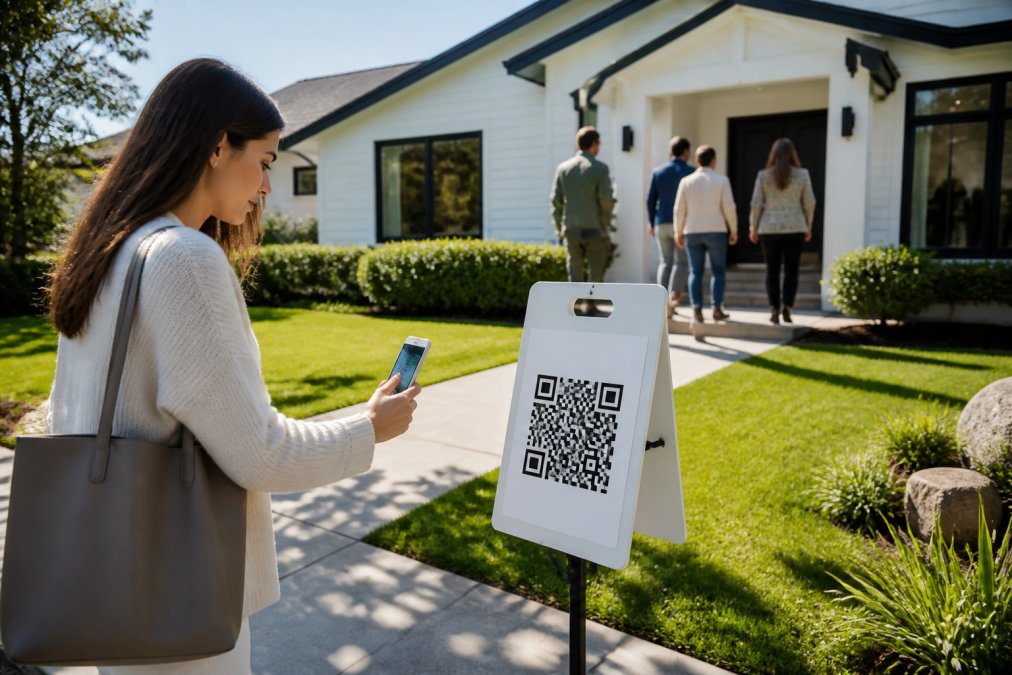
Table of Contents
- Why Real Estate Open House Data Management Matters
- Digital Sign-In Systems vs. Paper Sheets: What Actually Works
- Capturing Visitor Contact Information Without the Fake Data Problem
- Integrating Open House Data Directly Into Your CRM
- Real Estate Lead Follow-Up Scripts That Convert Open House Visitors
- Open House Lead Conversion Best Practices for Maximum ROI
- Data Privacy and Compliance in Open House Lead Capture
- Measuring Open House Performance With Data-Driven Reporting
Last Updated: August 15, 2026
Why Real Estate Open House Data Management Matters
Open house data management separates qualified leads from wasted weekends. Traditional paper sign-in sheets deliver unreliable data: illegible names, fake phone numbers, and missing entries. By follow-up time, you've lost days and have no way to verify who actually showed interest. The real problem is that manual data collection is fundamentally broken. When you rely on unverified information, your CRM becomes a graveyard of unusable contacts, leading to wasted follow-up calls and missed conversions.
Modern open house data management automates lead capture and verification at entry. Instead of hoping visitors fill out forms correctly, you ensure they provide legitimate contact information before stepping inside. The result is a clean database of actual prospects ready for immediate follow-up, plus professional reporting that demonstrates marketing value to homeowners.
Digital Sign-In Systems vs. Paper Sheets: What Actually Works
Paper sign-in sheets fail at their core job: capturing accurate, actionable lead data. Visitors scribble illegibly, provide fake numbers to avoid follow-up, or skip signing in entirely. Digital sign-in systems eliminate these problems by requiring verification before entry.
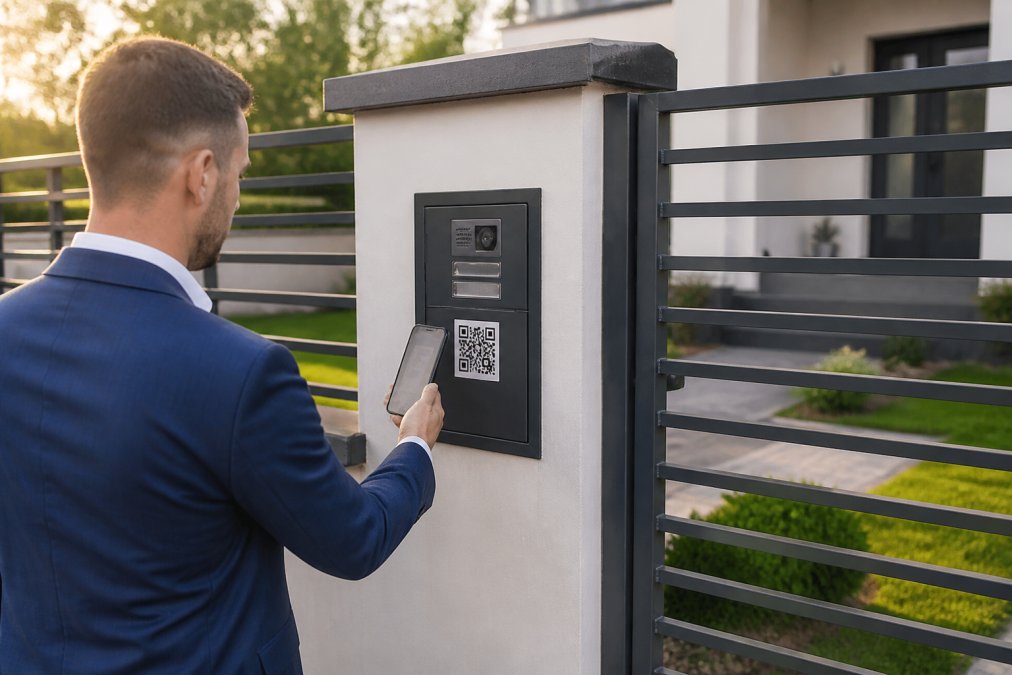
A visitor scans a QR code, submits their phone number and email, and receives codewords by both text and email. No codeword means no entry. This simple friction point deters bad actors and ensures every contact in your database is legitimate. When someone provides fake information, they don't receive the codeword, so they can't enter. Your database contains only real prospects with genuine intent.
Digital systems also sync data instantly to your CRM, eliminating manual entry and transcription errors. You can begin follow-up immediately while interest is fresh. Paper sheets require manual typing; digital systems deliver analytics: visitor count, which properties attracted most interest, and which time slots drove highest traffic. This data lets you demonstrate concrete value to sellers and optimize your open house strategy.
Capturing Visitor Contact Information Without the Fake Data Problem
Fake contact information wastes agent time. Visitors provide incorrect numbers, generic emails, or illegible names specifically to avoid follow-up. Your CRM fills with unusable contacts.
The solution is verification at capture. When a visitor provides contact information, they must receive confirmation, one codeword texted and another emailed, before proceeding. If the information is fake, confirmation fails and they don't get the codeword. This creates immediate accountability and ensures every contact is real.
This verification mechanism also qualifies leads automatically. A visitor who enters legitimate contact information and retrieves a codeword has demonstrated genuine interest. They've invested effort into accessing the property, signaling intent. Visitors providing fake information self-select out, leaving only qualified prospects.
Data quality improvement is measurable. Integration with your CRM happens automatically, as soon as a visitor submits verified information, their details populate your database with timestamp and property reference, ready for immediate segmentation and follow-up.
Integrating Open House Data Directly Into Your CRM
Manual data entry is a major time drain. After an open house, you spend hours typing each contact into your CRM, delaying follow-up by days. By the time data is entered, the visitor's interest has cooled and competitors may have already contacted them.
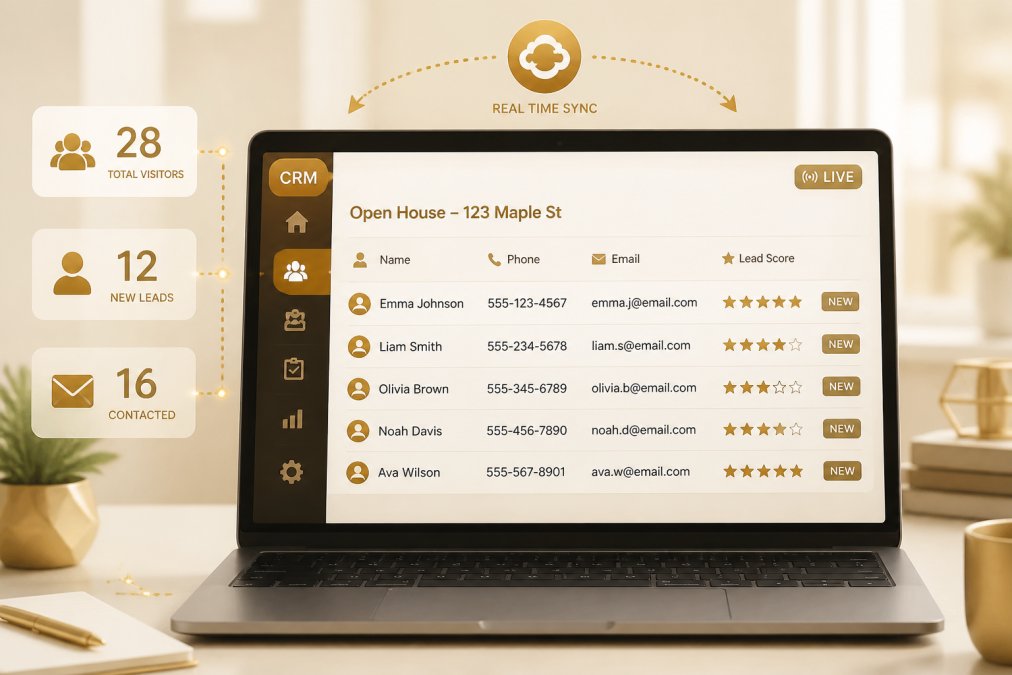
Direct CRM integration eliminates this bottleneck. When a visitor submits verified contact information through a digital sign-in system, their data automatically syncs to your CRM in real time. No manual entry. No delays. No transcription errors. While other agents type paper sheets, you're already reaching out to warm leads. First contact within hours dramatically improves conversion rates.
Automation goes beyond data entry. Many CRM systems trigger workflows based on open house sign-ins: automated follow-up emails, lead segmentation, or task reminders to call within 24 hours. These automations ensure no lead falls through the cracks.
Segmentation becomes more powerful with clean, integrated data. You can filter visitors by property, date, time, or engagement level, enabling targeted campaigns. Sending specific messages to visitors of your highest-priced property versus entry-level listings significantly improves response rates.
Real Estate Lead Follow-Up Scripts That Convert Open House Visitors
The first contact after an open house is critical. Most agents wait days; by then competitors have already called. A follow-up script executed within hours has dramatically higher conversion rates.
Your opening should acknowledge the specific property they visited and reference something they noticed. This shows you have their information and were paying attention. Avoid generic scripts; personalization signals you're treating them as an individual prospect.
Lead with a qualifying question: Were they actively looking, casually browsing, or referred? This clarifies intent level and lets you adjust your pitch. A serious buyer deserves a different conversation than someone curious about the neighborhood.
Use a three-part structure: acknowledge the property visit, ask a qualifying question, and make a specific next step. Example: "Hi [Name], thanks for stopping by the [Property Address] open house. I noticed you spent time in the master bedroom, are you looking to move soon or still researching? I'd like to send you comparable properties in that area. Do you have time this week to discuss what you're looking for?"
Move beyond the initial call. Most open house visitors aren't ready to buy immediately. Position yourself as a resource: share market insights, send comparable listings, answer neighborhood questions. This consistent, helpful engagement builds trust and keeps you top-of-mind.
Timing matters significantly. A call within 2-4 hours of the open house is more effective than a call the next day. If you can't reach someone by phone, send a text or email immediately. Many prospects respond better to text initially, and a message sent within hours shows responsiveness.
Open House Lead Conversion Best Practices for Maximum ROI
Converting open house visitors into transactions requires a systematic approach. Random follow-up produces random results. Structured lead nurturing workflows significantly outperform sporadic outreach.
Begin by qualifying leads immediately. Not all visitors are equally likely to convert. Someone actively house hunting with a pre-approval letter is higher-priority than someone casually browsing. Your initial follow-up should clarify where each visitor sits in the buying journey.
Segment visitors into categories: active buyers, serious prospects, and exploratory visitors. Active buyers need immediate attention and property-specific information. Serious prospects need relationship-building and market education. Exploratory visitors need periodic market updates and neighborhood information. This segmentation ensures you allocate time to prospects most likely to convert.
Create a follow-up cadence that stays in touch without being aggressive. Successful agents maintain contact through multiple touchpoints: initial call, follow-up email with property information, text with new listings matching their criteria, and periodic market updates. This consistent presence keeps you top-of-mind.
Use your CRM to automate parts of this workflow. Set up email sequences triggered by open house sign-ins. Create tasks reminding you to call at optimal times. Use segmentation to send targeted messages based on which property they visited. Automation ensures nothing falls through the cracks.
Measure what matters. Track how many open house visitors convert to showings, how many showings convert to offers, and how many offers close. This data reveals which follow-up strategies work. If one approach produces more conversions, double down on it. If certain properties attract visitors but rarely convert, investigate why and adjust.
Data Privacy and Compliance in Open House Lead Capture
Collecting contact information requires compliance with data privacy regulations. Violations result in significant fines and reputation damage.
Primary U.S. regulations include state-level privacy laws and the Telephone Consumer Protection Act (TCPA), which restricts telemarketing calls and texts to numbers on the National Do Not Call Registry. Before calling or texting an open house visitor, you need their express written consent. A visitor providing their phone number at your open house generally constitutes consent, but make it clear and documented.
Some states have enacted comprehensive privacy laws giving consumers the right to know what personal data you're collecting, how you're using it, and the right to delete their information. California's CCPA and similar state laws require transparency about data collection practices. Your open house sign-in should include clear language about what data you're collecting and how you'll use it.
Document your consent practices. Keep records showing visitors provided contact information voluntarily and understood how you'd use it. If a visitor opts out of future contact, honor that request immediately and document it in your CRM.
Data security is equally important. Once you've collected contact information, you're responsible for protecting it. Store data securely, limit access to authorized team members, and implement safeguards against unauthorized access. Many digital open house sign-in solutions handle compliance automatically, including privacy disclosures, consent documentation, and encrypted data transmission.
Measuring Open House Performance With Data-Driven Reporting
Paper sign-in sheets give you names. Data-driven reporting gives you insight. How many people attended? Which properties attracted most interest? What time slots drove highest traffic? This information optimizes your open house strategy and demonstrates value to sellers.
Basic metrics include visitor count, unique visitors, repeat visitors, and conversion rates. Visitor count shows if your marketing drove traffic. Unique visitors shows how many different people attended. Repeat visitors indicates strong interest. Conversion rates show what percentage become qualified leads or showings.
Property-level data reveals which listings attract most interest. If one property consistently draws more visitors than comparable properties, investigate why. Understanding what drives traffic helps you replicate success with other listings.
Time-based analysis shows when your open houses are most productive. If Saturday mornings draw serious buyers while Sunday afternoons attract casual browsers, adjust your schedule or messaging accordingly.
Lead quality metrics matter more than raw traffic. An open house with 20 visitors providing fake information is less valuable than 5 genuinely interested visitors. Track visitor count, conversion to showings, showings to offers, and offers to closed transactions. This reveals which open houses generate revenue.
Seller reporting is critical. Homeowners want to know if their open house was worthwhile. Provide specific data: "We had 12 unique visitors, including 3 actively house hunting in this price range and 2 requesting follow-up showings." Concrete reporting demonstrates marketing value and builds seller trust.
Many digital sign-in systems generate professional reports automatically, formatted for easy seller sharing and turning raw data into compelling narratives about your marketing effectiveness.
Real estate open house data management has shifted from manual, unreliable processes to automated, verification-based systems that deliver clean lead data instantly. Agents capturing the most qualified leads and converting them fastest have moved beyond paper sheets to digital sign-in solutions that verify contact information, integrate directly with CRM systems, and provide immediate follow-up data.
What sets ohACCESS apart from other digital open house sign-in platforms is that we send visitors two codewords — one by text, one by email — to gain access to the property, so it requires that they enter legitimate contact information in order to receive them. They scan a QR code outside the property first. The agent gets instantly notified with the visitors details when the contact form is submitted. Your CRM receives clean, verified data instantly, eliminating manual entry and enabling immediate follow-up. The one-tap reporting feature lets you demonstrate concrete open house value to your sellers with specific visitor counts, lead quality metrics, and conversion data. Start your free trial with ohACCESS and experience how verified lead capture transforms your open house strategy.
Frequently Asked Questions
How do you effectively capture lead data at an open house?
Use a digital sign-in system that requires verified contact information before visitors enter the property. A QR code check-in process combined with email and phone verification ensures accuracy and eliminates fake names. Automated systems send visitor details directly to your CRM in real time, removing the manual data entry step entirely and letting you follow up immediately with qualified leads.
Should real estate agents use paper or digital sign-in sheets?
Digital sign-in sheets outperform paper in every measurable way. Paper sheets are lost, illegible, and filled with invalid contact information. Digital systems provide instant notifications, automatic CRM syncing, and professional reporting. They also reduce the time agents spend on administrative work and increase lead quality by requiring legitimate contact details before entry.
What is the best way to follow up with open house leads?
Implement a real estate lead follow-up script that reaches out within 24 hours of the open house. Segment leads by buyer intent and property interest, then personalize your messaging. Use automated email and SMS workflows triggered by visitor data, but maintain a personal touch in your initial contact. Track which follow-up methods generate the most conversions and adjust your approach based on results.
How does open house data integrate with a CRM?
Modern open house sign-in apps sync visitor contact information directly to your CRM system without manual data entry. This automation ensures your lead database stays current, eliminates duplicate entries, and makes visitor history immediately available for follow-up. Integration also enables lead scoring, automated nurture campaigns, and real-time reporting on open house performance and visitor engagement.
Can I use an open house sign-in app if some visitors don't have smartphones?
Yes. A QR code-based system works for any visitor with a smartphone. For the rare visitor without one, the host can note their details manually, though those entries won't carry codeword verification. However, most open house visitors in 2026 carry smartphones, and the verification process actually filters out non-serious prospects, improving your lead quality overall.
How can real estate agents ensure data privacy during open houses?
Use a sign-in platform that complies with CCPA and other state privacy laws. Collect only the contact information you need, store data securely, and provide visitors with a clear privacy policy. Implement data retention policies that delete old visitor records according to your business needs. Never share visitor data with third parties without explicit consent, and ensure your CRM integration maintains the same privacy standards.
This article was written using GrandRanker
Frequently asked questions
How do you effectively capture lead data at an open house?
Use a digital sign-in system that requires verified contact information before visitors enter the property. A QR code check-in process combined with email and phone verification ensures accuracy and eliminates fake names. Automated systems send visitor details directly to your CRM in real time, removing the manual data entry step entirely and letting you follow up immediately with qualified leads.
Should real estate agents use paper or digital sign-in sheets?
Digital sign-in sheets outperform paper in every measurable way. Paper sheets are lost, illegible, and filled with invalid contact information. Digital systems provide instant notifications, automatic CRM syncing, and professional reporting. They also reduce the time agents spend on administrative work and increase lead quality by requiring legitimate contact details before entry.
What is the best way to follow up with open house leads?
Implement a real estate lead follow-up script that reaches out within 24 hours of the open house. Segment leads by buyer intent and property interest, then personalize your messaging. Use automated email and SMS workflows triggered by visitor data, but maintain a personal touch in your initial contact. Track which follow-up methods generate the most conversions and adjust your approach based on results.
How does open house data integrate with a CRM?
Modern open house sign-in apps sync visitor contact information directly to your CRM system without manual data entry. This automation ensures your lead database stays current, eliminates duplicate entries, and makes visitor history immediately available for follow-up. Integration also enables lead scoring, automated nurture campaigns, and real-time reporting on open house performance and visitor engagement.
Can I use an open house sign-in app if some visitors don't have smartphones?
Yes. A QR code-based system works for any visitor with a smartphone. For the rare visitor without one, the host can note their details manually, though those entries won't carry codeword verification. However, most open house visitors in 2026 carry smartphones, and the verification process actually filters out non-serious prospects, improving your lead quality overall.
How can real estate agents ensure data privacy during open houses?
Use a sign-in platform that complies with CCPA and other state privacy laws. Collect only the contact information you need, store data securely, and provide visitors with a clear privacy policy. Implement data retention policies that delete old visitor records according to your business needs. Never share visitor data with third parties without explicit consent, and ensure your CRM integration maintains the same privacy standards.
Keep reading
Start free with 25 verified check-ins. No credit card required.
Start Free