Real Estate Agent Safety 2026: A How-To Guide
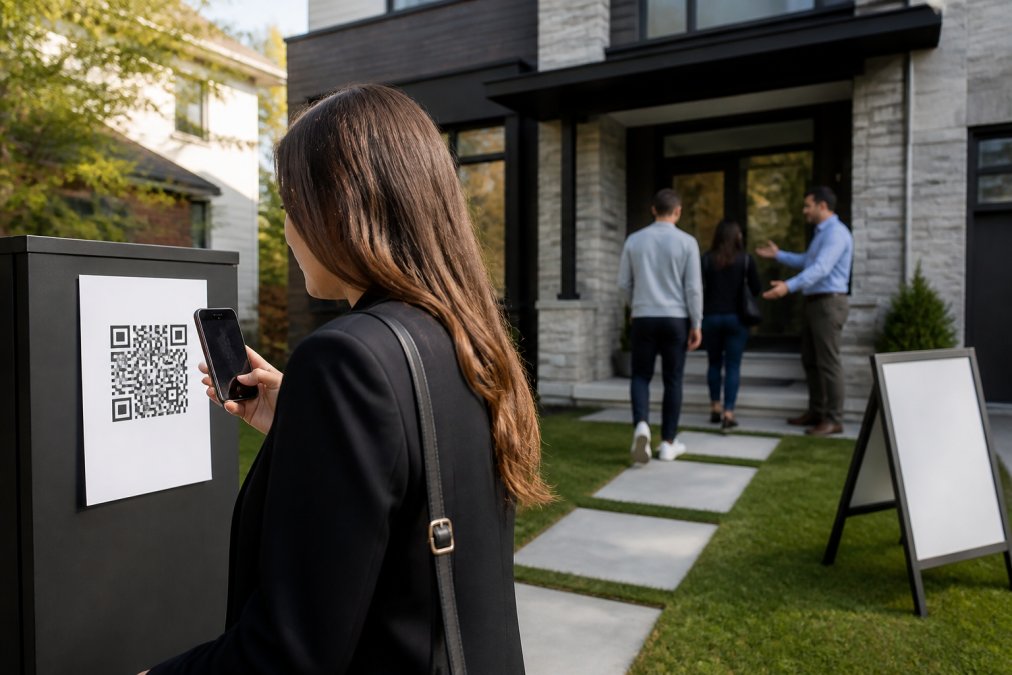
Table of Contents
- Why Real Estate Agent Safety Matters in 2026
- Build a Real Estate Open House Safety Checklist
- Implement Digital Visitor Registration for Real Estate
- Master Verifying Open House Visitor Identity
- Establish Professional Boundaries and Situational Awareness
- Create a Brokerage-Wide Safety Policy
- Develop an Emergency Protocol and Communication Plan
- Conclusion
Last Updated: August 21, 2026
Why Real Estate Agent Safety Matters in 2026
Real estate agent safety has become a critical operational priority. Agents conduct hundreds of open houses annually, often meeting strangers in isolated properties with minimal oversight (nar.realtor). The risks range from theft and property damage to personal harassment and physical threats. Traditional paper sign-in sheets create blind spots that leave agents vulnerable, and the scale has shifted: more properties show simultaneously, buyer pools are more diverse, and bad actors specifically target open houses knowing security protocols are inconsistent (fbi.gov).
This guide covers practical strategies for improving real estate agent safety in 2026: building a comprehensive safety checklist, implementing digital verification systems that eliminate fake contact information, establishing professional boundaries, and creating brokerage-wide policies that protect your team.
Build a Real Estate Open House Safety Checklist
A formal safety checklist ensures nothing gets missed and standardizes the process so every open house follows the same protective measures.
Pre-Open House Preparation
Start preparation at least 48 hours before the showing. Review the property layout and identify potential safety concerns: multiple exits, isolated rooms, areas with limited visibility, and proximity to neighboring properties. Confirm your communication plan with your broker or team. Let someone know the property address, expected visitor count, and your planned duration. If you're a solo agent, establish a check-in protocol with a specific time to confirm everything is proceeding normally.
Prepare your materials in advance and dress professionally. Check your phone's battery level and ensure location sharing is enabled with a trusted contact.
During the Showing
Greet every visitor at the entrance and don't allow anyone to wander unaccompanied. Position yourself strategically to maintain clear sightlines of all areas. Pay attention to behavior patterns: someone taking photos of items other than the property, asking detailed questions about the owner's absence, or attempting to access off-limits areas warrant closer attention.
Trust your instincts. If someone makes you uncomfortable, politely end the showing: "I appreciate your interest, but I'm not comfortable continuing. Please feel free to contact my office to schedule another time."
Implement Digital Visitor Registration for Real Estate
Paper sign-in sheets capture illegible handwriting, invalid contact information, and provide zero verification that the person entering their details is genuine. Digital registration eliminates this gap entirely and creates accountability.
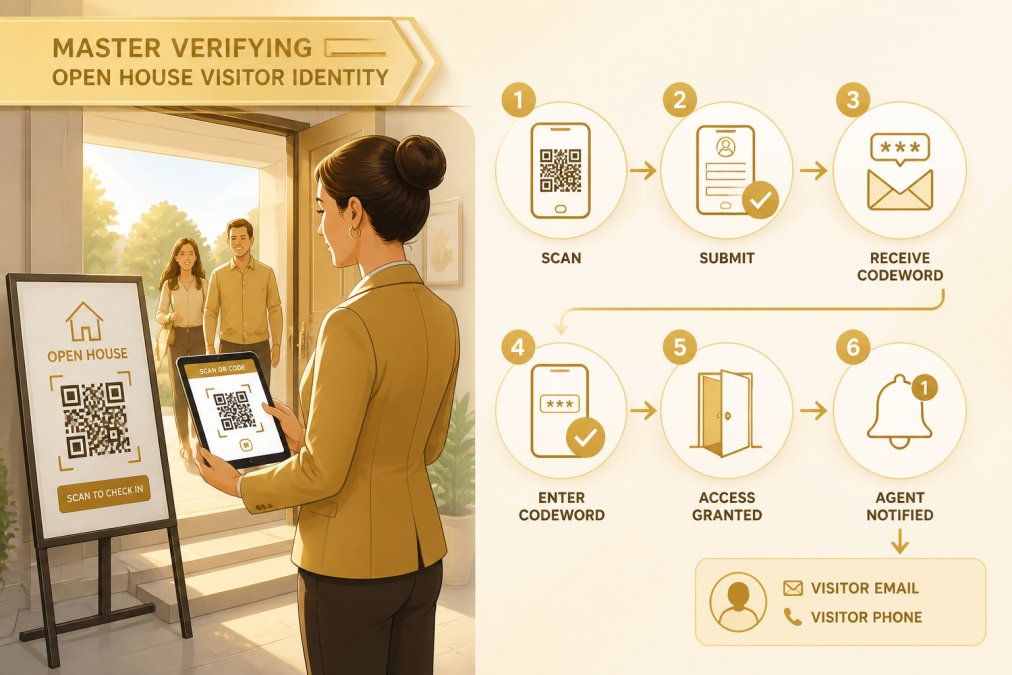
The most effective systems use a two-step verification process. A visitor scans a QR code at the property entrance, then enters their phone number and email address into a form. The system immediately sends codewords to both contacts — one by text, one by email. The visitor shares a codeword with the host agent at the door to gain entry, proving the phone number and email they gave are real.
ohACCESS sends visitors two codewords — one by text, one by email — to gain access to the property, requiring them to enter legitimate contact information to receive them. Visitors scan a QR code outside the property first. The agent gets instantly notified with the visitor's details when the contact form is submitted. Fake information? No codeword. No entry. The system automatically filters out bad actors before they ever reach the property.
The secondary benefit is lead quality. Every visitor in your system has verified contact information. Your CRM receives clean, actionable data immediately, so your follow-up begins within hours rather than days.
Master Verifying Open House Visitor Identity
Verification is the cornerstone of open house safety. Without it, you're operating on trust alone, and trust is exactly what bad actors exploit.
How Codeword Verification Works
A visitor arrives at the property and scans a QR code displayed at the entrance. This opens a form on their phone asking for their phone number and email address. The system immediately sends two codewords — one to their phone by text, one to their email. The visitor shares a codeword with the host agent at the door, proving the contact details are real. Only after giving the host the correct codeword do they gain entry to the property.
This process verifies that the phone number is real and active, confirms the email address is genuine, creates a complete digital record of who entered and when, and deters bad actors immediately because they know their information is being verified. The entire process takes about 30 seconds.
Red Flags During Check-In
Even with a codeword system in place, pay attention to check-in behavior. A visitor who hesitates to provide their phone number or email, who provides obviously false information, or who seems frustrated by the verification process may warrant closer observation.
Watch for visitors who ask if they can use a different phone number or email. The answer is no. The verification system requires the contact information they'll actually use. If someone is unwilling to provide legitimate contact details, they shouldn't be in the property.
Establish Professional Boundaries and Situational Awareness
Professional boundaries and situational awareness work together. Boundaries are the rules you enforce; situational awareness is the attention you maintain to catch when someone crosses them.
Recognizing Warning Signs
Most open house visits are routine. But certain behaviors signal potential concern and warrant heightened attention.
Watch for visitors who ask unusual questions: "When is the owner usually home?" "What security system does the property have?" "Are there any valuables in the garage?" Legitimate buyers ask about square footage, condition, and neighborhood amenities. Questions about the owner's schedule or security are red flags.
Observe visitor movement patterns. Someone who systematically photographs every room, lingers in bedrooms or offices while ignoring main living spaces, or tries doors you've marked as off-limits is behaving oddly. Pay attention to group dynamics: if a visitor keeps checking their phone or looking toward the door, they might be coordinating with someone outside.
Managing Your Digital Footprint
Your digital presence affects your safety. Information you share online can be used to target you or gather intelligence about your schedule and routines.
Be selective about what you post on social media. Avoid posting photos or updates from open houses in real time. Don't announce when you'll be showing a property or tag your location. Use privacy settings on all personal social media accounts and review your profiles regularly to ensure you haven't overshared.
Be cautious about information you provide to clients. You need their contact information for legitimate business purposes, but you don't need their social media profiles or family details. Keep client data secure and separate from your personal accounts.
Consider using a business phone number separate from your personal line. This creates a boundary between your professional and personal life.
Create a Brokerage-Wide Safety Policy
Individual agents protecting themselves is important, but a brokerage-wide safety policy creates consistency, accountability, and support across your entire team.
A formal safety policy should define the vetting process for all open houses using a consistent digital system. It should establish communication protocols requiring agents to notify their broker before every open house and check in at agreed intervals. It should outline what constitutes a safety concern and how to escalate.
Include training requirements in your policy. Every agent should receive annual safety training covering threat recognition, de-escalation, emergency procedures, and proper use of safety tools (osha.gov). New agents should complete training before conducting their first open house.
Define your incident reporting process. If an agent experiences a concerning situation, they should report it to their broker immediately. The brokerage should document these incidents, identify patterns, and adjust policies accordingly. Establish consequences for policy violations to ensure safety protocols are enforced consistently.
Consider implementing a buddy system for high-risk properties. If a property is in an isolated location or has had previous incidents, require two agents to be present.
Develop an Emergency Protocol and Communication Plan
An emergency protocol ensures that if something goes wrong, everyone knows what to do. A communication plan ensures help arrives quickly.
Define what constitutes an emergency. This includes obvious situations like physical threats or property damage, but also situations that feel unsafe even if nothing has happened yet.
Establish a clear communication hierarchy. If an agent feels unsafe, they should immediately notify their broker or team lead. The broker should have the agent's location, the property address, and the expected duration of the showing. If the agent misses their check-in time, the broker should attempt to reach them. If the agent doesn't respond within a reasonable timeframe, the broker should contact local authorities.
Create a code word system for situations where an agent can't speak freely. For example, if an agent says "I need to reschedule that appointment," it signals that they're uncomfortable and need help.
Ensure every agent has emergency contact information readily available. Establish a post-incident protocol where agents report concerning situations to their broker and document what happened. Train your team on de-escalation techniques. Most situations can be defused by remaining professional and not escalating the conflict.
Real estate agent safety in 2026 depends on preparation, verification, and accountability. A comprehensive safety checklist ensures nothing gets missed. Digital visitor registration systems like ohACCESS eliminate fake contact information and create accountability from the moment a visitor arrives. Professional boundaries and situational awareness allow you to recognize and respond to concerning behavior. A brokerage-wide safety policy ensures consistency across your team. An emergency protocol ensures help arrives quickly if something goes wrong.
These systems work together to create an environment where agents can conduct business confidently. You're reducing risk significantly while improving lead quality, simplifying follow-up, and creating documentation that protects you legally. Start with the checklist, implement digital verification, train your team, and build a culture where safety is non-negotiable.
Frequently Asked Questions
Q: What are the most effective safety protocols for open houses in 2026?
A: Effective safety protocols combine digital verification, situational awareness, and clear communication. Verify visitor identity through a digital check-in system that confirms phone and email before entry, establish professional boundaries by controlling foot traffic and maintaining visibility, and use emergency communication code words with your team. Create a written safety plan for your brokerage, brief all agents on warning signs, and implement incident reporting procedures. Solo agents should always notify a colleague of their location and check-in schedule; team agents should coordinate with their broker on office-wide policies.
Q: How can digital check-in tools improve agent safety?
A: Digital check-in systems eliminate fake contact information and deter bad actors by requiring legitimate verification before entry. When visitors scan a QR code and receive codewords by both text and email, agents get instant notification with verified details. This creates an accountability barrier that reduces risk of targeting by individuals with bad intent. Digital registration also provides agents with documented proof of who visited, enables quick escalation if suspicious behavior occurs, and integrates visitor data directly into CRM systems for better lead quality and follow-up accuracy.
Q: How do I verify visitor identity at an open house?
A: Use a digital visitor registration system that requires visitors to scan a QR code, submit their phone number and email, and confirm receipt of a codeword before entering the property. This automated verification ensures contact information is valid and creates an immediate record. Watch for red flags during check-in: reluctance to provide information, fake details, or evasive answers. For in-person verification, ask qualifying questions about their interest in the property, their timeline, and their financial readiness. Cross-reference their information against your CRM to identify repeat visitors or known problem clients.
Q: What should be included in a real estate agent safety plan?
A: A comprehensive safety plan includes a pre-open house checklist covering property inspection, emergency exits, and communication setup; a digital visitor vetting process using verified check-in; professional boundary guidelines for agent behavior and dress code; situational awareness training on threat detection and warning signs; emergency protocols with code words and escalation procedures; a policy on location sharing and digital footprint management; incident reporting and post-incident support procedures; and regular safety training for all agents. Brokers should establish office-wide standards and ensure solo agents have peer accountability partners for weekend showings.
This article was written using GrandRanker
Frequently asked questions
Q: What are the most effective safety protocols for open houses in 2026?
A: Effective safety protocols combine digital verification, situational awareness, and clear communication. Verify visitor identity through a digital check-in system that confirms phone and email before entry, establish professional boundaries by controlling foot traffic and maintaining visibility, and use emergency communication code words with your team. Create a written safety plan for your brokerage, brief all agents on warning signs, and implement incident reporting procedures. Solo agents should always notify a colleague of their location and check-in schedule; team agents should coordinate with their broker on office-wide policies.
Q: How can digital check-in tools improve agent safety?
A: Digital check-in systems eliminate fake contact information and deter bad actors by requiring legitimate verification before entry. When visitors scan a QR code and receive codewords by both text and email, agents get instant notification with verified details. This creates an accountability barrier that reduces risk of targeting by individuals with bad intent. Digital registration also provides agents with documented proof of who visited, enables quick escalation if suspicious behavior occurs, and integrates visitor data directly into CRM systems for better lead quality and follow-up accuracy.
Q: How do I verify visitor identity at an open house?
A: Use a digital visitor registration system that requires visitors to scan a QR code, submit their phone number and email, and confirm receipt of a codeword before entering the property. This automated verification ensures contact information is valid and creates an immediate record. Watch for red flags during check-in: reluctance to provide information, fake details, or evasive answers. For in-person verification, ask qualifying questions about their interest in the property, their timeline, and their financial readiness. Cross-reference their information against your CRM to identify repeat visitors or known problem clients.
Q: What should be included in a real estate agent safety plan?
A: A comprehensive safety plan includes a pre-open house checklist covering property inspection, emergency exits, and communication setup; a digital visitor vetting process using verified check-in; professional boundary guidelines for agent behavior and dress code; situational awareness training on threat detection and warning signs; emergency protocols with code words and escalation procedures; a policy on location sharing and digital footprint management; incident reporting and post-incident support procedures; and regular safety training for all agents. Brokers should establish office-wide standards and ensure solo agents have peer accountability partners for weekend showings.
Keep reading
Start free with 25 verified check-ins. No credit card required.
Start Free