Is Digital Open House Check-In Worth It?
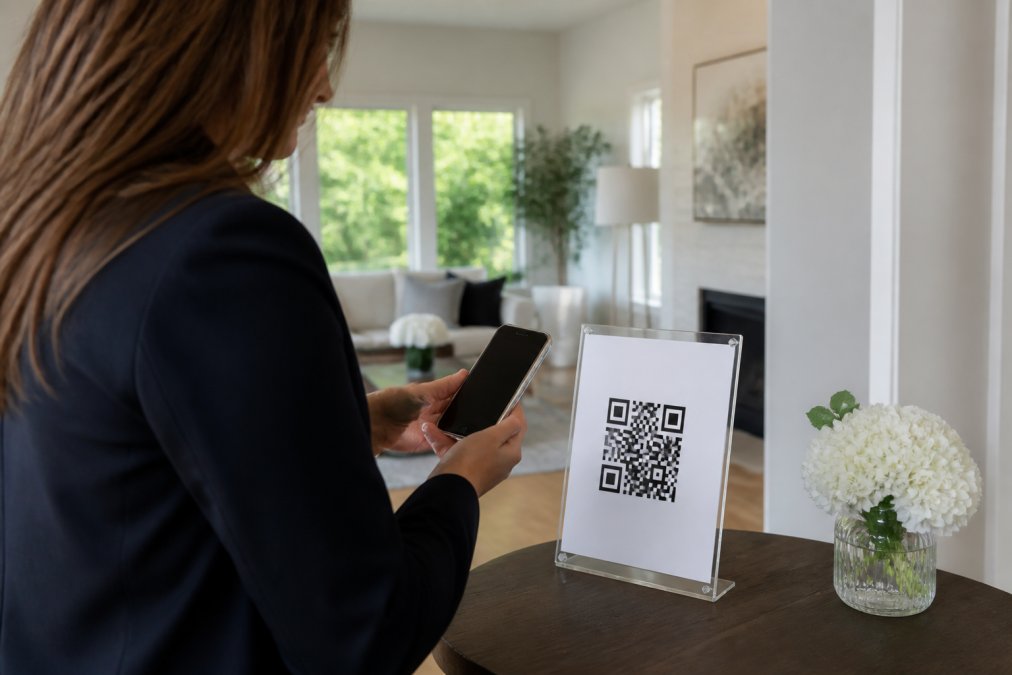
Table of Contents
- Is Digital Open House Check-In Worth It? The Core Question
- Digital Open House Sign-In Apps: How They Work and Why Accuracy Matters
- QR Code Open House Sign-In: Eliminating Fake Data and Bad Actors
- Open House Lead Generation: Automation and CRM Integration
- Open House Follow-Up Strategy: Converting Visitors Into Clients
- ROI and Cost-Benefit: What Agents Actually Save
- Privacy and Compliance: What Agents Need to Know
- Digital Check-In Worth It? The Bottom Line
Last Updated: July 30, 2026
Is Digital Open House Check-In Worth It? The Core Question
When asking "is digital open house checkin worth it," most agents are really asking two questions: Will it capture better leads, and will it save me time? The answer depends entirely on what you're currently doing and what problems are costing you the most.
Traditional paper sign-in sheets have dominated real estate for decades. Agents pass around a clipboard, visitors scribble their names and contact information, and by day's end you're deciphering handwriting and dealing with fake entries. A "John Smith" with a number that doesn't work. A competitor's agent who signed in to scope out the property. Incomplete email addresses. The data entry nightmare begins immediately.
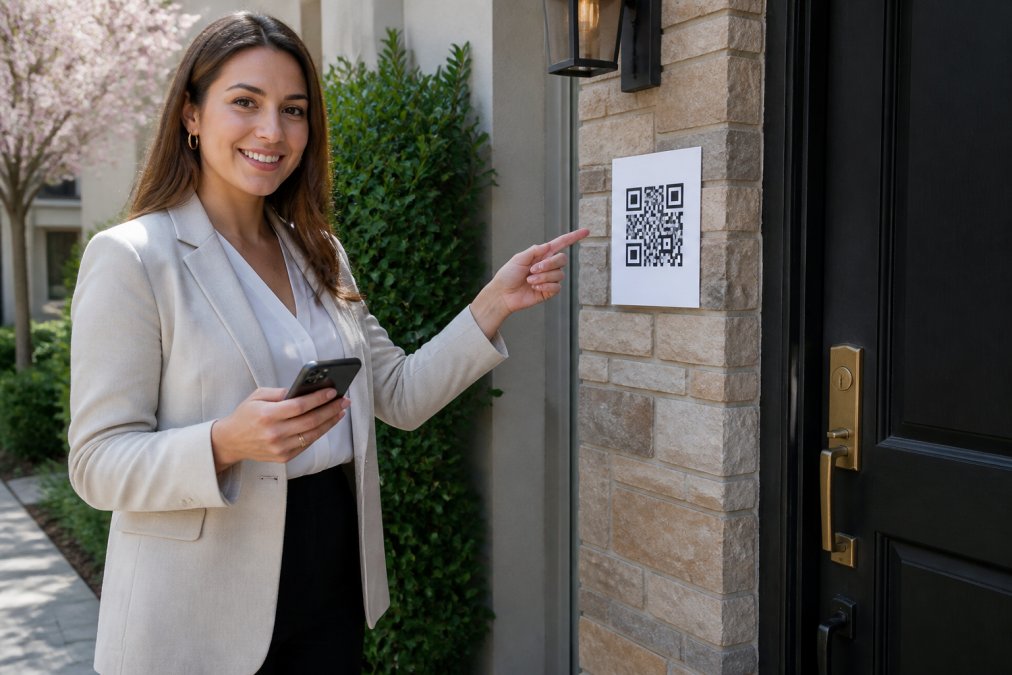
Digital open house check-in solves this by replacing paper with a verified system. Visitors scan a QR code outside the property, then receive codewords by both text and email only after submitting valid contact information. No valid phone number and email, no codewords, no entry. This single mechanism eliminates the fake data problem that plagues traditional sign-ins.
Digital Open House Sign-In Apps: How They Work and Why Accuracy Matters
A digital open house sign-in system replaces the clipboard with a simplified verification process. Visitor arrives at the property, scans a QR code posted outside, submits their contact information through a mobile form, and receives one-time codewords via text and email. Only by sharing a codeword with the host can they access the property.
This structure solves three problems simultaneously. First, it verifies contact information in real time. A visitor cannot proceed without a working phone number and email address. Second, it captures data automatically with no manual transcription of messy handwriting. Third, it deters bad actors. Competitors and casual browsers who don't want to share real information simply don't enter.
Verified QR Code Systems vs. Traditional Paper Sign-Ins
Paper sign-ins rely entirely on visitor honesty and legibility. A person can write anything. Handwriting is often illegible. Emails get transcribed incorrectly. A verified QR code system enforces accuracy at the point of entry. The visitor must type their information correctly themselves. They must use a real phone number and email to receive the codeword. The system validates the data before it enters your database.
With paper, you spend 30-45 minutes after each open house deciphering handwriting and manually entering data into your CRM. With a verified QR system, visitor data syncs directly to your CRM instantly. No data entry. No guessing whether "Janice" is spelled with an "i" or a "y."
When visitors know their information will be verified, they're less likely to provide fake details. The barrier to entry is low enough that legitimate buyers don't hesitate, but high enough that browsers and competitors think twice.
QR Code Open House Sign-In: Eliminating Fake Data and Bad Actors
Fake data is one of the most expensive problems in real estate lead generation. An agent spends time following up on leads that don't exist. A competitor poses as a buyer to gather intelligence. A casual browser signs in with a fake name just to avoid conversation. Each scenario wastes your time and pollutes your lead database.
A QR code open house sign-in eliminates this by making fake entries impossible. The system doesn't accept a lead until valid contact information is verified. Real estate agents report that 20-30% of paper sign-in entries are either completely fake or unusable. A verified system reduces that to near zero.
Why Contact Verification Matters for Lead Quality
Contact verification is the foundation of usable lead data. A name without a working phone number or email is worthless. When a visitor receives their codewords — one by text, one by email — they've proven their phone number is real and their email address is active. These are the only two pieces of information you actually need to follow up.
Verified contact information also improves your CRM data quality. Instead of importing 50 leads with 15 invalid phone numbers, you're importing 50 leads where every single contact method works. Your email campaigns have higher deliverability. Your phone follow-ups actually reach people. Your conversion rates improve because you're spending time on real prospects, not chasing dead numbers.
Open House Lead Generation: Automation and CRM Integration
Digital open house check-in isn't just about capturing leads. It's about automating the entire follow-up process so leads move into your sales pipeline immediately, without manual intervention.
When a visitor submits their contact information and receives the codeword, that data should flow directly into your CRM. No export. No import. No manual data entry. The lead appears in your system in real time, ready for automated follow-up sequences.
This integration transforms open house events from a one-time lead collection exercise into the start of a systematic nurture process. A visitor checks in at 2 PM on Saturday. By 2:15 PM, they've received a welcome email thanking them for visiting. By Monday morning, they've received a second email with property details and next steps. By Wednesday, they're in your regular drip campaign.
Instant Notifications and Real-Time Data Sync
The moment a visitor submits their contact information, you should know about it. Instant notifications let you know someone is actively viewing your property and give you a record of exactly when each person arrived.
Real-time CRM sync means the lead is already in your system, already tagged with the property, already queued for your follow-up sequence. A lead contacted within 5 minutes is 9 times more likely to convert than one contacted after 30 minutes. Instant notifications and real-time sync put you in that 5-minute window automatically.
Open House Follow-Up Strategy: Converting Visitors Into Clients
Capturing accurate lead data is only valuable if you follow up effectively. A verified lead with a working phone number and email is worthless if it sits in your database for two weeks before you call.
The best follow-up strategy combines speed, automation, and personalization. Speed means reaching out within minutes of the open house. Automation means you're not manually sending the same welcome email to 20 people. Personalization means the follow-up acknowledges that they visited YOUR property, not a generic message about real estate.
A typical follow-up sequence might look like this: welcome email within 5 minutes, property details and next steps within 24 hours, a phone call within 48 hours, and then weekly touchpoints based on their level of engagement.
Conversion Rate Analysis and Lead Qualification
Not all open house visitors are equally likely to buy. Some are serious buyers in active search mode. Others are just curious. Your follow-up strategy should reflect these differences.
Lead qualification starts with the data you collect. A visitor who's actively searching for a home in your market is more qualified than someone just browsing. Digital sign-in systems capture qualification signals automatically: the visitor's stated buying timeline, their answers to your custom questions, and their post-tour rating and price feedback. Each signal helps you prioritize your follow-up effort.
Conversion rate analysis tells you which types of leads are most likely to close. Once you identify the pattern, you can focus your open house efforts on attracting more of those high-converting visitors. This data-driven approach to lead qualification is impossible with paper sign-ins.
ROI and Cost-Benefit: What Agents Actually Save
The ROI of digital open house check-in comes from two sources: time savings and improved conversion rates.
Time savings are immediate and measurable. A typical agent spends 30-45 minutes after each open house deciphering handwriting, entering data into their CRM, and creating follow-up tasks. With a digital system, that time drops to near zero. The data is already in your CRM. The follow-up tasks are already created.
If you're holding 2-3 open houses per week, that's 2-3 hours per week saved. Over a year, that's roughly 100-150 hours. Improved conversion rates are less obvious but potentially more valuable. Verified leads convert at higher rates than unverified ones. Leads you contact within 5 minutes convert at higher rates than leads you contact after a day. A digital system enables all three improvements simultaneously.
Time Savings and Data Entry Elimination
Manual data entry is one of the biggest time drains in real estate. You're transcribing names, phone numbers, and emails from a clipboard. You're correcting spelling errors. You're trying to figure out if that number is a 7 or a 1. You're manually creating follow-up tasks for each lead.
A verified digital system eliminates all of this. The data comes in clean, already validated, already formatted correctly. It syncs directly to your CRM. No transcription. No corrections. No manual task creation. Every manual data entry is an opportunity for mistakes. A phone number transcribed incorrectly means a prospect you can't reach. An email address mistyped means a follow-up that bounces.
Proving Open House Value to Homeowners
Homeowners want to know whether their open house was worth the effort. A paper sign-in sheet gives you a number. "We had 12 visitors." That's it. A digital system gives you a detailed report. You can show the homeowner exactly how many verified visitors attended, how soon they're looking to buy, how they rated the home, and what they thought of the price.
This proof of value is critical for your relationship with the homeowner. It justifies the time and effort they invested in preparing the property. It also builds trust in your marketing strategy.
Privacy and Compliance: What Agents Need to Know
When you collect phone numbers and email addresses at open houses, you're collecting personal data. This triggers privacy and compliance obligations that vary by state and industry.
Collecting phone numbers and emails for follow-up is standard practice in real estate and is generally permissible under U.S. law. Visitors who attend an open house have implicitly consented to being contacted about the property they just viewed. However, you should have a clear privacy policy explaining how you'll use the data and provide an easy opt-out mechanism if someone doesn't want to be contacted.
A reputable digital sign-in system will handle these compliance issues for you. The system should include privacy policy language, consent mechanisms, and data security practices that meet industry standards. The verification mechanism in digital sign-in systems also adds a privacy layer. Visitors know exactly what they're signing up for. They're entering data into a system specifically designed to capture open house visitors. This transparency builds trust.
Digital Check-In Worth It? The Bottom Line
The answer to "is digital open house checkin worth it" comes down to three factors: how much time you're currently spending on manual data entry, how many fake leads you're dealing with, and how many open houses you're hosting per month.
If you're holding one open house per month and you're comfortable with your current lead quality, the switch might not be urgent. If you're holding 2-3 open houses per week and you're frustrated with fake data and manual data entry, digital check-in is almost certainly worth it. You're saving 2-3 hours per week. You're eliminating the fake lead problem entirely. You're getting verified leads that convert at higher rates.
The technology has matured to the point where it's reliable and easy to use. Visitors don't struggle with the QR code process. Agents don't struggle with CRM integration. The data quality is objectively better than paper.
What sets ohACCESS apart from other digital open house sign-in platforms is that we send visitors two codewords — one by text, one by email — to gain access to the property, so it requires that they enter legitimate contact information in order to receive them. They scan a QR code outside the property first. The agent gets instantly notified with the visitors details when the contact form is submitted.
The real value isn't in the technology itself. It's in what the technology enables: accurate lead capture, automated follow-up, instant notifications, and professional reports to share with homeowners. These capabilities compound over time, improving your conversion rates and your reputation.
Frequently Asked Questions
How much does digital open house check-in cost per month, and does pricing scale for agents doing multiple open houses per week?
Digital open house check-in pricing depends on factors like number of open houses, user accounts, and feature requirements. ohACCESS, for example, publishes simple pricing: a free 25-sign-in trial, then $15/month for a solo agent, with flat team and per-agent brokerage plans — pricing never scales with how many open houses you run. Many solutions offer tiered plans and free trials so you can test before committing.
What makes a digital open house sign-in app different from traditional paper sheets in terms of lead quality?
Digital sign-in apps eliminate fake names and invalid contact information by requiring visitors to verify their phone number and email before entry. Verified contact data means higher-quality leads ready for immediate follow-up, while paper sheets often contain illegible handwriting and intentionally false information that wastes agent time and reduces conversion rates.
Can digital open house check-in integrate directly with my existing CRM, and will it actually clean up my current data mess?
Most modern digital check-in platforms sync visitor data directly into your CRM automatically, eliminating manual data entry. This prevents duplicate entries and ensures accurate contact information flows into your client database. However, integration success depends on your CRM's compatibility, verify this with the platform before switching to ensure seamless workflow.
What happens if a buyer doesn't have a smartphone or refuses to scan a QR code at an open house?
Digital check-in systems typically offer alternative entry methods for visitors without smartphones or who prefer not to scan. Some platforms allow agents to manually verify contact information on-site. While this captures more leads, it does require agent involvement. Ask the platform about fallback options to ensure you don't lose leads from older buyers or tech-averse visitors.
How quickly can I generate a report to send to a homeowner after an open house?
Most digital check-in platforms generate reports automatically and instantly after your open house concludes. One-tap report generation lets you send homeowners same-day summaries of visitor count, buyer interest, and property engagement, providing proof of your marketing efforts and building confidence in your open house strategy.
If you're holding multiple open houses per month and struggling with lead quality or manual data entry, digital open house check-in is worth implementing. The time savings alone justify the switch. The improved lead quality and conversion rates make it a smart investment in your business. Start with a free trial to see how it works with your workflow, then integrate it into your standard open house process.
This article was written using GrandRanker
Frequently asked questions
How much does digital open house check-in cost per month, and does pricing scale for agents doing multiple open houses per week?
Digital open house check-in pricing depends on factors like number of open houses, user accounts, and feature requirements. ohACCESS, for example, publishes simple pricing: a free 25-sign-in trial, then $15/month for a solo agent, with flat team and per-agent brokerage plans — pricing never scales with how many open houses you run. Many solutions offer tiered plans and free trials so you can test before committing.
What makes a digital open house sign-in app different from traditional paper sheets in terms of lead quality?
Digital sign-in apps eliminate fake names and invalid contact information by requiring visitors to verify their phone number and email before entry. Verified contact data means higher-quality leads ready for immediate follow-up, while paper sheets often contain illegible handwriting and intentionally false information that wastes agent time and reduces conversion rates.
Can digital open house check-in integrate directly with my existing CRM, and will it actually clean up my current data mess?
Most modern digital check-in platforms sync visitor data directly into your CRM automatically, eliminating manual data entry. This prevents duplicate entries and ensures accurate contact information flows into your client database. However, integration success depends on your CRM's compatibility—verify this with the platform before switching to ensure seamless workflow.
What happens if a buyer doesn't have a smartphone or refuses to scan a QR code at an open house?
Digital check-in systems typically offer alternative entry methods for visitors without smartphones or who prefer not to scan. Some platforms allow agents to manually verify contact information on-site. While this captures more leads, it does require agent involvement. Ask the platform about fallback options to ensure you don't lose leads from older buyers or tech-averse visitors.
How quickly can I generate a report to send to a homeowner after an open house?
Most digital check-in platforms generate reports automatically and instantly after your open house concludes. One-tap report generation lets you send homeowners same-day summaries of visitor count, buyer interest, and property engagement—providing proof of your marketing efforts and building confidence in your open house strategy.
Keep reading
Start free with 25 verified check-ins. No credit card required.
Start Free