Best Ways to Verify Open House Leads in 2026
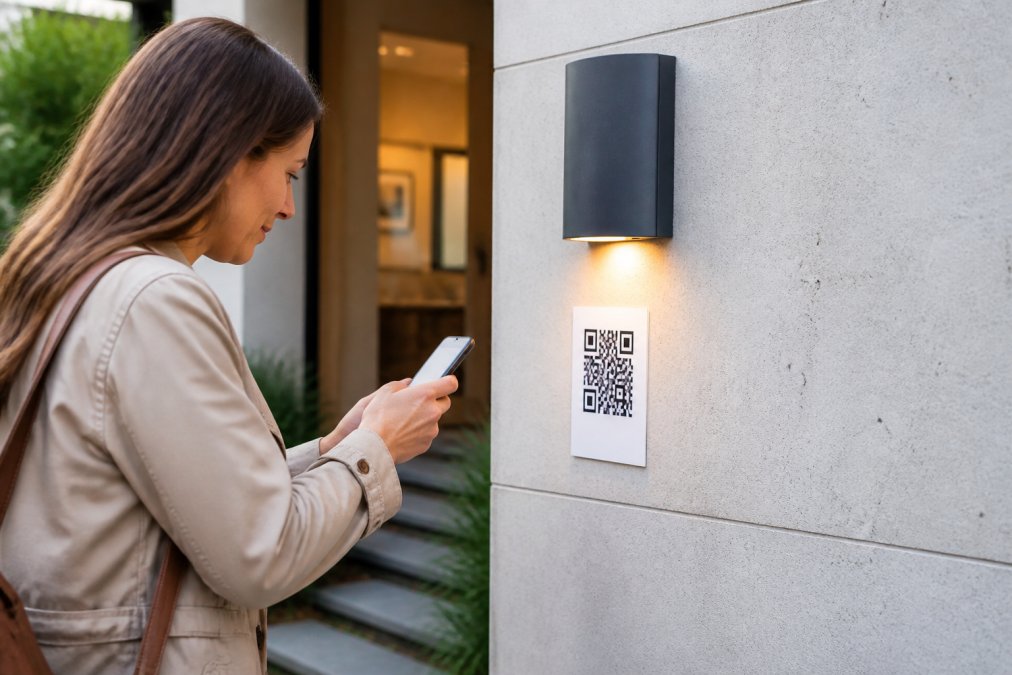
Table of Contents
- Why Verifying Open House Leads Matters
- Step 1: Replace Paper Sign-In Sheets with Digital Open House Sign-In Apps
- Step 2: Implement Real-Time Lead Validation During Check-In
- Step 3: How to Qualify Real Estate Leads During the Open House
- Step 4: Use Real Estate Open House Sign-In Sheet Templates with CRM Integration
- Step 5: Craft Open House Lead Follow-Up Scripts for Verified Contacts
- Step 6: Track and Measure Lead Quality Metrics
- Common Mistakes When Verifying Open House Leads
Last Updated: August 9, 2026
Why Verifying Open House Leads Matters
Paper sign-in sheets are a liability. Agents collect illegible handwriting, fake phone numbers, and bouncing email addresses. By the time you realize a lead is invalid, days have passed and the visitor has moved to another agent.
Verifying open house leads is about survival in a competitive market. Agents who demonstrate legitimate buyer interest to sellers have stronger negotiating power. When you can show that 12 serious buyers walked through their home, you've justified your commission and built trust for future listings. The best verification methods eliminate fake information at the point of entry, visitors can't sign in without providing legitimate contact details.
Step 1: Replace Paper Sign-In Sheets with Digital Open House Sign-In Apps
Digital open house sign-in apps solve the core problem: paper sheets don't verify anything. A visitor can write "Mickey Mouse" and a fake number without consequence. Digital apps force verification in real time, eliminating bad data before it enters your system.
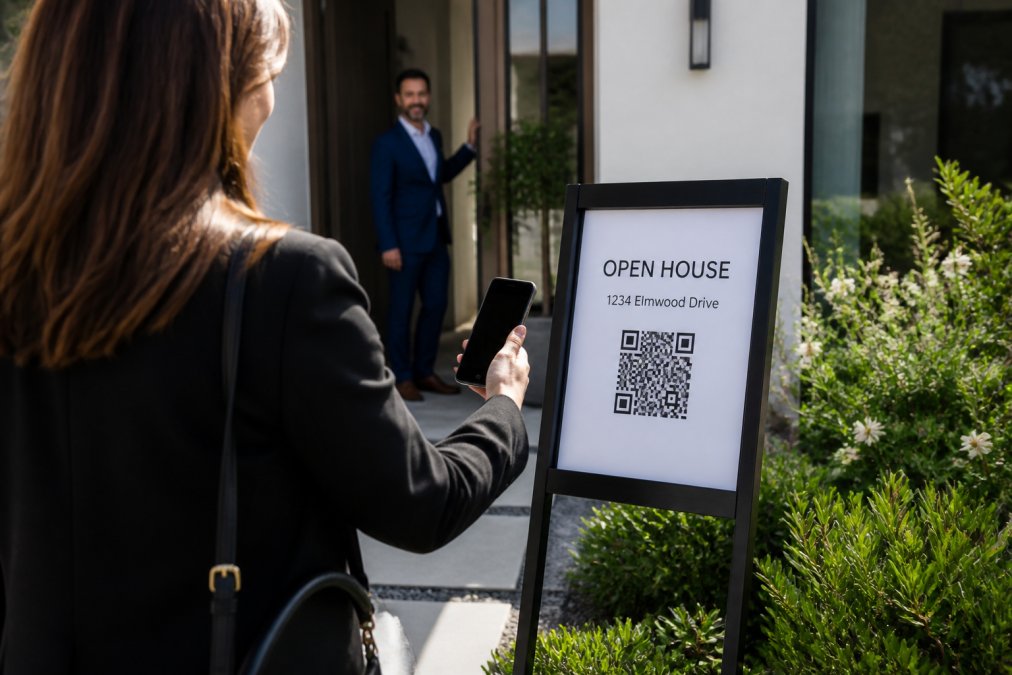
Visitors scan a QR code displayed at the property entrance and enter their phone number and email address. The system validates the contact information by sending codewords to both channels — one by text, one by email. Visitors share a codeword with the host at the door to gain access to the open house. Fake information means no codeword, no entry. This verification step separates legitimate digital sign-in from a simple clipboard replacement.
How QR Code Verification Works
A QR code is a scannable image that links to your digital sign-in form. When a visitor scans it with their phone camera, they're taken directly to a registration page with no app download required. The QR code is static and reusable, you print it once and display it at your entrance. It directs all visitors to the same form, and the system tracks which open house the QR code belongs to, so you know exactly which property each visitor attended. QR codes work across all devices, and accessibility is rarely a barrier.
Codeword Authentication for Legitimate Contact Information
The codeword is the verification mechanism. After a visitor enters their phone and email, the system sends the event's codewords — one by text, one by email. They share a codeword with the host to proceed. If someone entered a fake number, they won't receive the code and can't proceed. This filters out bad data before it reaches your CRM.
Each visitor must complete sign-in independently — the codewords prove that visitor's own phone and email work. The system logs their details the moment they submit the form, and the agent receives instant notification.
:::pro The codeword verification step separates lead quality from lead volume. You'd rather have 8 verified contacts than 25 questionable ones. :::
Step 2: Implement Real-Time Lead Validation During Check-In
Real-time validation means you know immediately whether a lead is legitimate. The moment a visitor completes verification, their contact information is confirmed. Agents who contact visitors within the first hour of the open house see significantly higher response rates than those who wait until the next day. Real-time notification means you can reach out while the property is still fresh in the visitor's mind.
Real-time validation also protects your CRM data. Invalid contacts never enter your database, keeping your contact list clean and your marketing campaigns effective.
Phone and Email Verification at the Point of Entry
Phone and email are the two channels agents rely on for follow-up. Both must be validated to ensure the visitor is reachable. The system sends a codeword to each channel separately. At the door, the host asks for the text codeword first and accepts the email codeword as a fallback — so every visitor has a way in even if one channel is slow.
Some visitors worry about privacy. Agents should explain: "We'll send you property details and follow up if this home matches your criteria. We won't spam you." Transparency builds trust.
Instant Agent Notification for Immediate Follow-Up
The moment a visitor completes verification, the agent receives a notification with their name, phone number, and email. Instant notification enables immediate action. An agent working the open house can follow up with a text or call within minutes with personalized details about the property.
For agents managing multiple open houses or working with a team, instant notification means leads don't get lost. The system notifies everyone who needs to know, so the right agent can follow up without delay.
Step 3: How to Qualify Real Estate Leads During the Open House
Not all open house visitors are buyers. Some are curious neighbors, competitors, or investors. Qualifying leads during the open house means identifying which visitors are serious prospects worth intensive follow-up through check-in questions and observing behavior during the property tour.
Qualifying Questions to Ask at Check-In
The check-in form can include a few qualifying questions beyond contact information. Keep it short, three questions maximum. Longer forms reduce completion rates.
Effective qualifying questions include: "Are you actively looking to buy in this area?" / "What's your timeline for purchase?" / "Is this property type what you're looking for?" These answers are captured in your system. When you follow up, you already know whether this visitor is actively searching or just gathering information.
Identifying Serious Buyers vs. Tire-Kickers
During the property tour, watch for buying signals. Serious buyers ask about inspection contingencies, financing, and closing timelines. They measure rooms and take photos. Tire-kickers ask about neighborhood gossip or why the sellers are moving.
Your behavior during the tour should match the visitor's intent. For serious buyers, provide detailed information and offer next steps. For browsers, be friendly but efficient.
Step 4: Use Real Estate Open House Sign-In Sheet Templates with CRM Integration
A digital sign-in system is only valuable if it connects to your CRM. Without integration, you're still doing manual data entry, copying names and phone numbers from one system into another. That's where errors creep in and time gets wasted.
CRM integration means visitor data flows automatically from your sign-in system into your contact database. No manual entry. No typos. No forgotten leads.
Automated Data Entry and Database Synchronization
When a visitor completes verification, their contact information is immediately synced to your CRM. Their phone number, email, and qualifying notes are added to a contact record tagged with the property and date. Automated syncing also prevents duplicates. If the same person visits multiple open houses, your CRM recognizes the duplicate and updates their existing record.
Most modern CRM systems support this integration through APIs or direct connections. Setup takes minutes.
Eliminating Manual Data Entry Errors
Manual data entry introduces errors at every step. You misread handwriting, transpose digits, or enter a phone number into the email field. Automated entry eliminates this risk. The visitor enters their information once, the system validates it, and it flows to your CRM exactly as entered.
This accuracy matters for compliance. Automated systems create an audit trail. You can prove exactly who visited, when, and what they entered.
Step 5: Craft Open House Lead Follow-Up Scripts for Verified Contacts
You have verified contact information. Now you need to reach out effectively. A follow-up script ensures consistency and professionalism. It should be brief, personalized, and action-oriented, referencing the property they visited and offering a clear next step.
First Contact Within 24 Hours
The first contact should happen as soon as possible, ideally within an hour of the open house. If that's not feasible, 24 hours is the absolute maximum. After 24 hours, the visitor's interest has cooled.
A text message works well: "Hi Sarah, thanks for visiting 123 Main Street today. I noticed you were interested in the master bath renovation. I'd love to send you some details. What's the best time to call this week?" This message is short, references a specific detail, and asks for permission to follow up without being pushy.
Personalized Follow-Up Sequences
After the first contact, implement a follow-up sequence: Day 1 (within 24 hours): Initial contact via text or phone. Day 3: Email with property details and comparable sales. Day 7: Phone call offering to schedule a private showing. Day 14: Email with new properties that match their criteria. Day 30: Check-in call asking if they'd like to discuss financing options.
Automate the sequence where possible through your CRM. Personalization matters within the sequence, reference details from the open house in your first email and their stated timeline in your second.
Step 6: Track and Measure Lead Quality Metrics
You're collecting verified leads and following up systematically. Now you need to measure what's working. Lead quality metrics are different from volume metrics. Volume tells you how many people visited. Quality tells you how many became clients. Quality is what matters for your business.
Conversion Rates and Lead Source Performance
Track how many verified leads from each open house convert to showings, then to offers, then to closed sales. A property that generates 20 visitors but zero showings is different from one that generates 10 visitors and 4 showings. The second property has a 40% conversion rate. These metrics guide your marketing decisions and reveal which marketing channels work best.
Generating One-Tap Reports for Homeowners
Sellers want proof that their agent earned the listing commission. A professional open house report demonstrates turnout, visitor quality, and buyer interest.
A good report includes: number of verified visitors, the buying-timeline breakdown, visitor ratings and price feedback, and overall buyer interest. The report should be generated automatically from your system data. You can send it to the seller immediately after the open house or a few days later when follow-up has progressed.
Common Mistakes When Verifying Open House Leads
Many agents understand the importance of lead verification but make implementation mistakes that undermine the process.
The first mistake is asking too many qualifying questions. A five-question form has a 30% lower completion rate than a two-question form. Keep the form short. The second mistake is not following up quickly enough. An agent collects verified leads on Saturday afternoon but doesn't follow up until Monday morning. By then, the visitor has looked at three other properties and talked to two other agents.
The third mistake is treating all leads the same. A visitor who said "actively buying in the next 30 days" deserves more attention than one who said "just browsing." Segment your follow-up by qualification level. The fourth mistake is not integrating with your CRM. Manual entry creates errors and delays. The fifth mistake is not tracking results. Without data, you're guessing. Track conversion rates by property, by follow-up method, and by visitor type. The sixth mistake is not training team members. If you manage multiple agents, everyone needs to follow the same process.
Verifying open house leads transforms your open house from an event into a lead generation system. When every visitor provides legitimate contact information, your follow-up becomes effective. When you follow up quickly with personalized messages, serious buyers convert. When you track results and optimize based on data, your open houses become increasingly valuable.
ohACCESS makes this process automatic. Visitors scan a QR code outside the property first. The system sends visitors two codewords — one by text, one by email — to gain access to the property, so it requires that they enter legitimate contact information in order to receive them. The agent gets instantly notified with the visitor's details when the contact form is submitted. Instant agent notification means you can follow up while the property is still fresh in their mind. Automatic CRM integration eliminates manual data entry and keeps your contact database clean. One-tap reports give sellers proof of your value. This is how modern agents verify open house leads and convert them into clients.
Frequently Asked Questions
How do you filter fake leads from open houses?
The most effective way to filter fake leads is to require verification at the point of entry. Digital open house sign-in apps that send visitors codewords to their phone and email ensure only legitimate contact information gets through. If someone enters a fake number or email, they won't receive the codeword and can't access the property. This automated verification eliminates the manual work of calling back invalid numbers and protects your database from bad data before it ever enters your CRM.
What is the best way to collect accurate contact info at an open house?
Replace paper sign-in sheets with a digital open house sign-in app that uses QR code verification. Visitors scan the QR code outside the property, submit their phone number and email, and receive a one-time codeword to enter. This method verifies contact information instantly and sends you real-time notifications with visitor details. The verification step ensures accuracy because fake information produces no codeword, which naturally deters bad actors and protects your lead generation process from the start.
How do you follow up with open house leads effectively?
Speed matters: contact verified leads within 24 hours of the open house. Use your CRM to segment leads by qualification level and create personalized follow-up sequences that address their specific interests. Send initial contact via phone or text to confirm interest, then follow with email campaigns that nurture the relationship over time. Verified leads from digital check-in systems have higher response rates because you know the contact information is legitimate, so your follow-up efforts actually reach real prospects instead of bouncing off invalid numbers.
Should you use digital sign-in sheets for open houses?
Yes. Digital sign-in sheets eliminate the problems of paper clipboards: no manual data entry, no illegible handwriting, no fake names cluttering your database, and no lost sign-in sheets. They also provide instant agent notification so you can follow up immediately while buyer interest is highest. Digital systems that verify contact information before granting entry create a cleaner lead source, save hours of administrative work, and give you professional reports to share with homeowners showing actual open house traffic and buyer engagement.
This article was written using GrandRanker
Frequently asked questions
How do you filter fake leads from open houses?
The most effective way to filter fake leads is to require verification at the point of entry. Digital open house sign-in apps that send visitors codewords to their phone and email ensure only legitimate contact information gets through. If someone enters a fake number or email, they won't receive the codeword and can't access the property. This automated verification eliminates the manual work of calling back invalid numbers and protects your database from bad data before it ever enters your CRM.
What is the best way to collect accurate contact info at an open house?
Replace paper sign-in sheets with a digital open house sign-in app that uses QR code verification. Visitors scan the QR code outside the property, submit their phone number and email, and receive a one-time codeword to enter. This method verifies contact information instantly and sends you real-time notifications with visitor details. The verification step ensures accuracy because fake information produces no codeword, which naturally deters bad actors and protects your lead generation process from the start.
How do you follow up with open house leads effectively?
Speed matters: contact verified leads within 24 hours of the open house. Use your CRM to segment leads by qualification level and create personalized follow-up sequences that address their specific interests. Send initial contact via phone or text to confirm interest, then follow with email campaigns that nurture the relationship over time. Verified leads from digital check-in systems have higher response rates because you know the contact information is legitimate, so your follow-up efforts actually reach real prospects instead of bouncing off invalid numbers.
Should you use digital sign-in sheets for open houses?
Yes. Digital sign-in sheets eliminate the problems of paper clipboards: no manual data entry, no illegible handwriting, no fake names cluttering your database, and no lost sign-in sheets. They also provide instant agent notification so you can follow up immediately while buyer interest is highest. Digital systems that verify contact information before granting entry create a cleaner lead source, save hours of administrative work, and give you professional reports to share with homeowners showing actual open house traffic and buyer engagement.
Keep reading
Start free with 25 verified check-ins. No credit card required.
Start Free