9 Questions to Ask Open House Visitors About Motivation
Last Updated: October 29, 2026
Quick Summary
Ask open house visitors about their timeline, financing, and representation, and what brought them out. Match each opener to the visitor type, such as neighbor, first-time buyer, or investor, and listen for specificity and timeline language in their answers. Scoring those signals right after each visitor leaves shows who to follow up with first.
- Match your opening question to the visitor type, such as neighbor, first-time buyer, or investor.
- Listen for specificity, timeline language, and pronouns in the first answer.
- Score each visitor 1-3 on readiness, financing, timeline, representation, and decision authority.
- Priority visitors scoring 13-15 get a call or text within a few hours.
- Keep questions focused on the property and buying plans to stay within fair housing rules.
Table of Contents
- Why Motivation Matters More Than Curiosity at Open Houses
- Opening Questions That Feel Natural, Not Intrusive
- Timeline and Readiness Questions
- Open House Sign-In Questions That Capture Intent
- Interpreting Verbal and Behavioral Signals
- How to Qualify Real Estate Leads From Open House Visitors
- Following Up With a Simple Visitor Script
- Staying Within Fair Housing and Privacy Boundaries
- Frequently Asked Questions
Why Motivation Matters More Than Curiosity at Open Houses
Most visitors at an open house are curious. Far fewer are ready to act.
Motivation tells you why someone is walking through, when they might move, and what would make them serious. A visitor who is just browsing and one who needs to relocate within three months call for very different follow-up.
A verified sign-in list gives you each visitor's buying timeline and real contact details, so you start with reachable people. The questions below help you learn the rest.
Opening Questions That Feel Natural, Not Intrusive
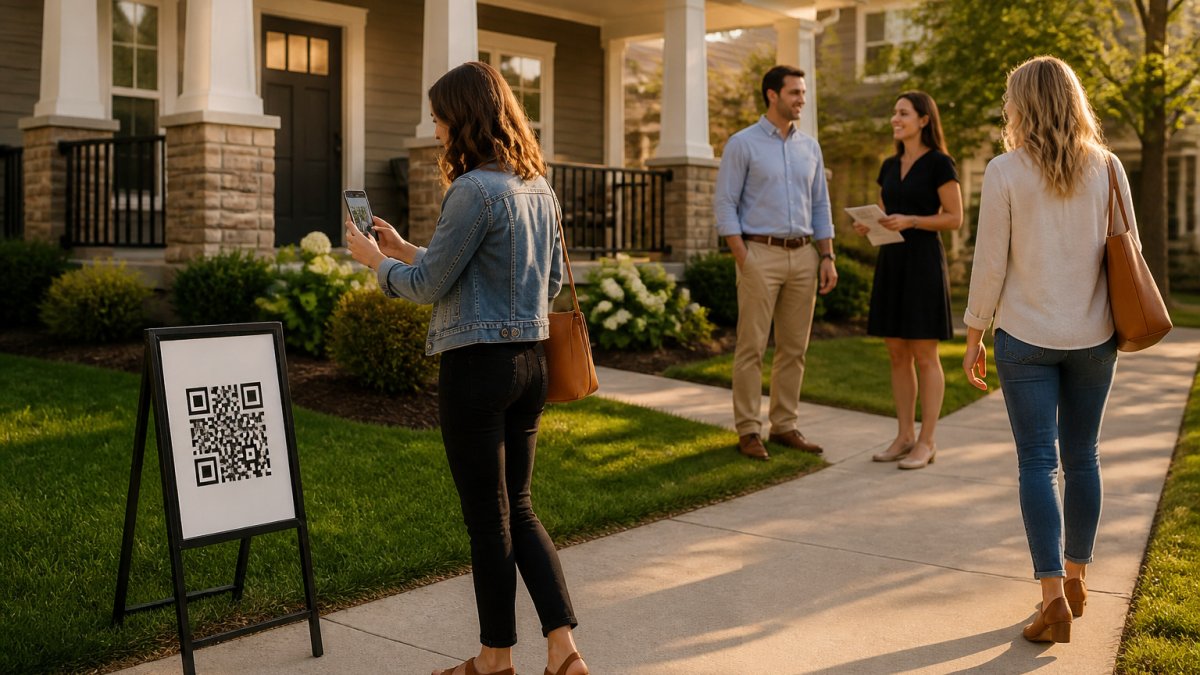
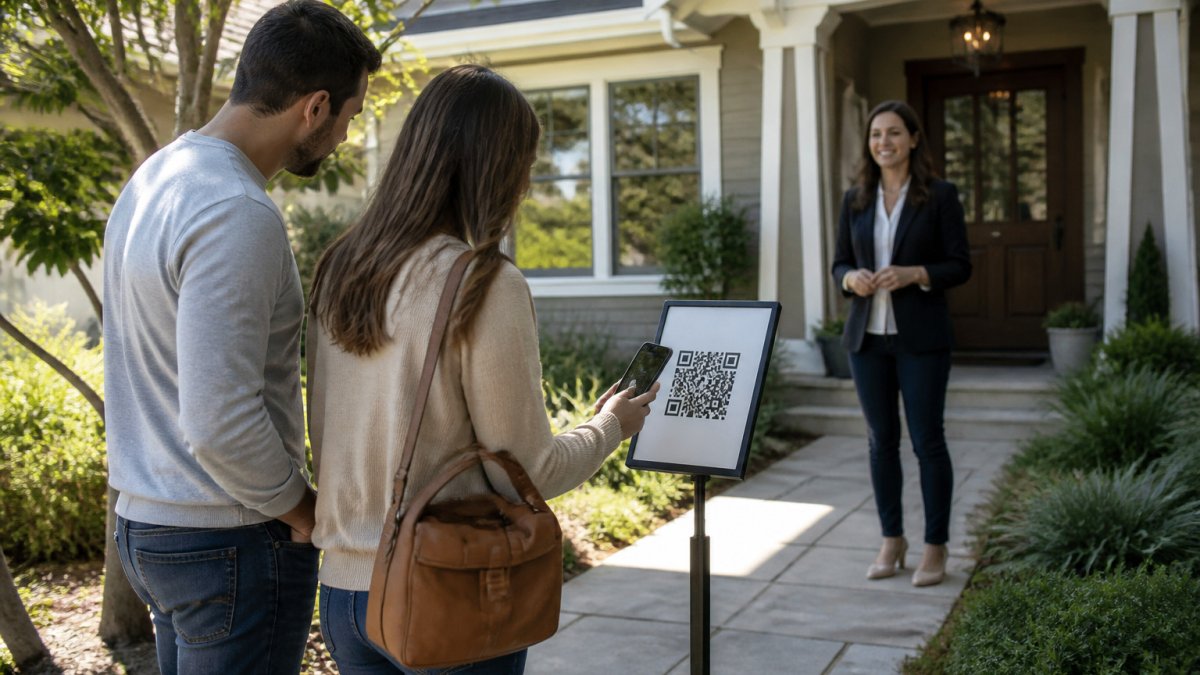
The first question sets the tone for everything that follows. Ask something easy and open, "What caught your eye about this home?" or "How long have you been looking in this area?", and let the answer steer the next question. What most guides miss is that the right opener depends entirely on who is standing in front of you. A neighbor, a first-time buyer, an investor, and a buyer already working with an agent all need different first questions, and reading the answer correctly matters as much as asking it.
Tailor the opener to the visitor type
The neighbor. Neighbors usually walk in to see the layout, the updates, or what the home sold for.
The first-time buyer. First-timers are often nervous and afraid of saying the wrong thing.
The investor. Investors want numbers, not feelings.
The represented buyer. If they mention an agent, do not pitch.
The casual browser. Some visitors are simply out for a weekend walk. Open with "What brings you out today?" and keep it light. If the answer is "we just like looking," let them look.
How to read the answer without over-reading it
Listen for three things in the first answer: specificity, timeline language, and pronouns. A visitor who names a street, a school, or a feature is engaged. A visitor who says "someday" or "eventually" is early. A visitor who says "we" is making a joint decision; one who says "I" may be scouting alone. None of these is definitive, a quiet visitor can be very serious, so treat them as hints you confirm with later questions, not verdicts.
Keep the conversation a conversation
Avoid anything that sounds like an interview. Visitors who feel quizzed give short answers or leave early. Ask one question, listen to the whole answer, and let the next question come from what they said. A sign-in form that captures name, contact details, and buying timeline before visitors reach you means you do not need to open with logistics, you can open with curiosity.
Timeline and Readiness Questions
Timing is the clearest signal of intent.
The buying timeline on the ohACCESS form (0-3, 3-6, 6-12, or 12+ months) gives you a starting point. Use your conversation to confirm it or add nuance.
Follow up on timing with one more question: "What would need to happen for you to move forward?" The answer often reveals whether the obstacle is financing, a home sale, or simply not having found the right property yet.
Open House Sign-In Questions That Capture Intent
Your sign-in form is the first place you learn about a visitor, so it should ask for useful information without feeling like paperwork. The sign-in form can include one custom question you add. Make it count.
Good options include asking what the visitor is hoping to find in their next home, or how soon they are looking to buy.
Remember that visitors consented to the agent having their information. Use the answers to guide your own follow-up, and keep them out of anything you share publicly.
Interpreting Verbal and Behavioral Signals
Not every signal is spoken. Pay attention to how visitors move through the home and what they focus on.
Verbal cues matter too. Phrases like "we need to sell first" suggest a later timeline, while "we've been looking for six months" points to urgency.
Treat these as hints, not verdicts. A quiet visitor may be very serious, and a chatty one may only be curious. Combine what you observe with what they tell you before drawing conclusions.
How to Qualify Real Estate Leads From Open House Visitors
Most agents leave an open house with a stack of names and no way to rank them. A qualification framework fixes that. For a deeper treatment of qualification methods, see more on qualifying open house leads. Instead of a vague hot/warm/cool gut check, score each visitor across five dimensions the moment you step away from the door. This is the gap most open-house guides skip: they tell you to "qualify" without telling you what to measure.
The five-dimension qualification framework
Score each visitor 1-3 on every line below, then total. A 13-15 is a priority follow-up today; 9-12 is a this-week follow-up; 8 or below goes into a long-term nurture list.
- Readiness. Are they actively looking, or just starting to think about it? "We've seen eight homes this month" scores a 3; "we just like looking at houses" scores a 1.
- Financing. Have they talked to a lender, or are they pre-approved? A pre-approved buyer with a letter in hand is a 3. "We'll figure out financing when we find the one" is a 1.
- Timeline. Match what they told you to the ohACCESS sign-in timeline (0-3, 3-6, 6-12, or 12+ months). A 0-3 selection is a 3; 12+ is a 1 unless the conversation contradicts it.
- Representation. Are they already working with an agent? An unrepresented buyer is a 3 for you; a buyer under a signed agreement is a 1, and you should respect that relationship rather than pitch.
- Decision authority. Are they the person who will sign, or are they gathering information for a spouse, parent, or partner? "My husband couldn't make it" is a signal to ask whether both decision-makers can see the home.
Why representation and authority matter more than enthusiasm
The chattiest visitor in the room is often the least qualified. A buyer who is already represented may love the home but cannot work with you, and a buyer shopping for a parent may have no authority to make an offer. Asking "Are you working with an agent already?" early saves everyone time, and asking "Is anyone else involved in the decision?" tells you whether a second showing is needed. Neither question is intrusive when asked as part of normal conversation.
Record the score, not just a note
A qualification score is only useful if it survives the drive home. Right after each visitor leaves, open your CRM and log the five scores plus one sentence on what they said. Sign-ins can be delivered to your CRM automatically as a formatted lead, so the contact details and your qualification notes can sit in the same record. A verified visitor log also lets you mark a visitor as "verified at door" and add private notes, which keeps your scoring tied to a real, reachable person.
What to do with each tier
- Priority (13-15): Call or text within a few hours. Reference something specific they said and offer a private showing.
- This week (9-12): Send a personal message within 24 hours with one or two listings that match what they described.
- Nurture (8 or below): Add to a longer-term list and check in when inventory changes or a similar home comes up.
The point is not to rank people for its own sake. It is to make sure the visitor who can actually buy this month gets your attention before the one who is three years out.
Scoring each visitor on five dimensions right after they leave makes it clear who to follow up with first.
| Dimension | What to listen for | Score |
|---|---|---|
| Readiness | Actively looking vs. just browsing | 1-3 |
| Financing | Pre-approved vs. no lender yet | 1-3 |
| Timeline | 0-3, 3-6, 6-12, or 12+ months | 1-3 |
| Representation | Unrepresented vs. already under agreement | 1-3 |
| Decision authority | Decides alone vs. needs a spouse or partner | 1-3 |
Following Up With a Simple Visitor Script
Speed matters. Reach out within a day while the open house is still on the visitor's mind. A short, personal message works better than a long template.
Here is a simple script you can adapt:
"Hi [Name], thanks for coming by the open house at [Address] yesterday. You mentioned you're hoping to move in the next few months. I'd be glad to share some listings that fit what you're looking for. Would a quick call this week work?"
Keep the message specific to what the visitor told you. Mention their timeline or the feature they liked, and offer one clear next step. This is also where tools like best practices for open house follow-up and converting open house visitors into clients can help you refine your approach.
Staying Within Fair Housing and Privacy Boundaries
Motivation questions must stay within fair housing rules.
Privacy matters too. Collect only what you need, store it securely, and never share visitor details with the seller.
If you are unsure whether a question crosses a line, leave it out. Learning more about qualifying real estate leads quickly and open house privacy compliance can help you build a process you can stand behind.
Frequently Asked Questions
What questions should you ask visitors at an open house?
Start with easy, non-personal questions such as what drew them to the listing, whether they have seen similar homes nearby, and which features matter most to them. Ask about their buying timeline, whether they are working with an agent, and what their current housing situation looks like. Keep questions open-ended and let visitors share at their own pace. Avoid anything about finances, family status, or religion, since those can create fair housing issues. Record answers in your CRM so follow-up is based on what the visitor actually said.
How can you tell if an open house visitor is a serious buyer?
Serious buyers usually have a defined timeline, ask specific questions about the property's condition, HOA fees, or recent updates, and know roughly what they can afford. They tend to revisit the rooms that matter most to them and ask about next steps. Visitors who only browse rarely give a timeline or ask about the process. Use a buying timeline question on your sign-in form to separate near-term buyers from those 12 or more months out, then prioritize follow-up accordingly.
How do you ask a buyer about their timeline without sounding pushy?
Frame the question around planning rather than pressure. Something like, "Are you thinking about buying in the next few months, or is this more of an early look?" gives visitors an easy answer at any level of readiness. A sign-in form with a timeline field, such as 0-3, 3-6, 6-12, or 12+ months, lets visitors answer privately, which often feels more comfortable than saying it out loud. Acknowledge whatever answer you hear and follow up with useful information rather than a sales pitch.
How should real estate agents follow up with open house visitors?
Send a personal message within a day while the open house is still fresh. Reference something specific the visitor mentioned, such as a feature they liked or a timeline they shared. Offer one clear next step, like sharing comparable sales or scheduling a private showing. Automatic thank-you emails can handle the first touch, but your own follow-up should feel individual. Sign-ins can be delivered to your CRM automatically as a formatted lead, so your follow-up list can be ready after the event.

Frequently asked questions
What questions should you ask visitors at an open house?
Start with easy, non-personal questions such as what drew them to the listing, whether they have seen similar homes nearby, and which features matter most to them. Ask about their buying timeline, whether they are working with an agent, and what their current housing situation looks like. Keep questions open-ended and let visitors share at their own pace. Avoid anything about finances, family status, or religion, since those can create fair housing issues. Record answers in your CRM so follow-up is based on what the visitor actually said.
How can you tell if an open house visitor is a serious buyer?
Serious buyers usually have a defined timeline, ask specific questions about the property's condition, HOA fees, or recent updates, and know roughly what they can afford. They tend to revisit the rooms that matter most to them and ask about next steps. Visitors who only browse rarely give a timeline or ask about the process. Use a buying timeline question on your sign-in form to separate near-term buyers from those 12 or more months out, then prioritize follow-up accordingly.
How do you ask a buyer about their timeline without sounding pushy?
Frame the question around planning rather than pressure. Something like, "Are you thinking about buying in the next few months, or is this more of an early look?" gives visitors an easy answer at any level of readiness. A sign-in form with a timeline field, such as 0-3, 3-6, 6-12, or 12+ months, lets visitors answer privately, which often feels more comfortable than saying it out loud. Acknowledge whatever answer you hear and follow up with useful information rather than a sales pitch.
How should real estate agents follow up with open house visitors?
Send a personal message within a day while the open house is still fresh. Reference something specific the visitor mentioned, such as a feature they liked or a timeline they shared. Offer one clear next step, like sharing comparable sales or scheduling a private showing. Automatic thank-you emails can handle the first touch, but your own follow-up should feel individual. Sign-ins can be delivered to your CRM automatically as a formatted lead, so your follow-up list can be ready after the event.
Keep reading
Start free with 25 verified check-ins. No credit card required.
Start Free