Best Open House Sign-In Apps for Agents
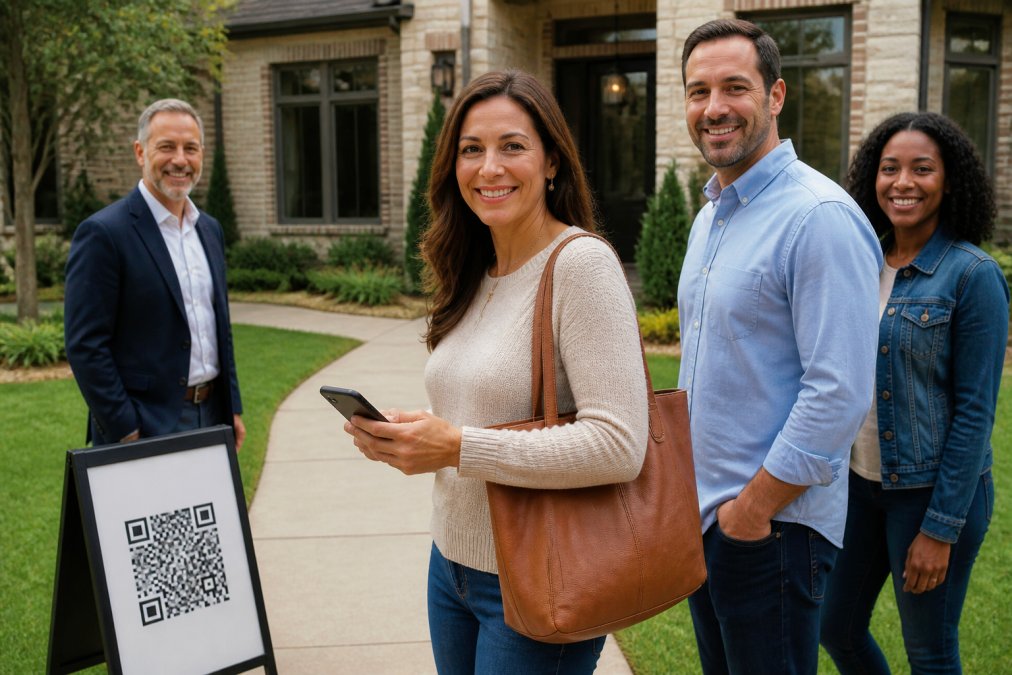
Table of Contents
- Why Digital Open House Sign-In Matters
- Real Estate Open House Lead Capture: What Changed
- Quick Comparison Table
- 1. ohACCESS: Verified QR Check-In with Codeword Verification
- 2. Block Party: Simple Lead Management for Solo Agents
- 3. Open House Sign In: Affordable Digital Forms and Export
- 4. Curate Open House: Branded Sign-In with Follow-Up
- 5. Dotloop: Transaction-Integrated Open House Capture
- How to Choose the Right Open House Sign-In App for Your Business
- Privacy and Compliance Considerations
- Frequently Asked Questions
Last Updated: September 2, 2026
Why Digital Open House Sign-In Matters
Paper sign-in sheets capture illegible names, fake phone numbers, and bouncing email addresses. You manually type data into your CRM hours later, when buyer interest has cooled. Digital open house sign-in transforms this friction into speed and accuracy.
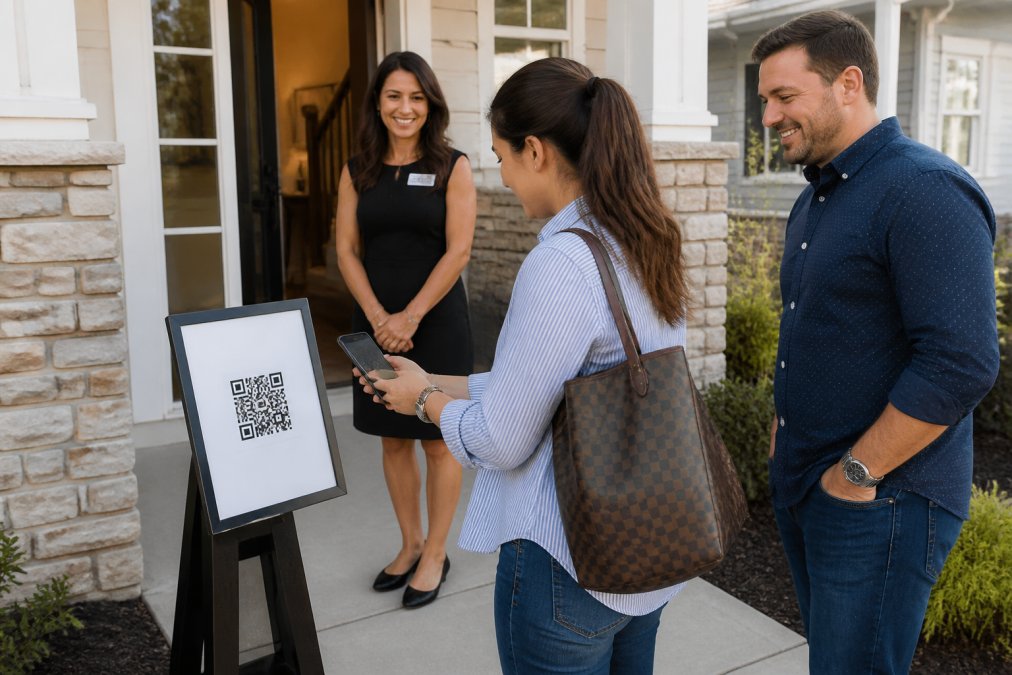
When visitors register on their own phones, you capture verified contact information instantly. You know who walked through the door, their timeline, and whether they're serious buyers. That intelligence reaches your CRM before the open house ends, so you can follow up while the property is fresh in their mind. Digital sign-in cuts administrative overhead, eliminates handwriting errors, and ensures leads are real.
Real Estate Open House Lead Capture: What Changed
The open house landscape has shifted. Agents now expect lead capture systems that integrate with their CRM, deliver data in real time, and provide proof of genuine interest to sellers.
Fake leads waste time. Modern open house sign-in apps now verify contact information at registration. Some use SMS codewords; others use email verification. The goal is identical: ensure the phone and email belong to the person who walked through the door.
CRM integration is now standard. Agents expect leads to arrive automatically, parsed into the right fields, ready for follow-up. This eliminates manual export-and-import steps and reduces the window between visitor registration and first contact.
Seller reporting has also evolved. Homeowners expect transparency: how many people showed up, what their buying timeline looks like, and whether the open house generated real interest. The best tools deliver this in a privacy-safe format, aggregate metrics, not visitor-by-visitor details.
Quick Comparison Table
| Tool | Free Trial | Starting Price | Best For | Lead Verification | CRM Integration |
|---|---|---|---|---|---|
| ohACCESS | Free trial (25 sign-ins) | $15/month | Agents prioritizing lead verification and privacy | Two codewords (text + email) | Formatted lead email + Zapier |
| Block Party | Free trial available | $19.99/month | Solo agents seeking simplicity | Basic digital form | Limited CRM options |
| Open House Sign In | No free trial | $19.99/month | Budget-conscious agents | Digital form submission | CSV export + CRM integrations |
| Curate Open House | No free trial | $29/month | Agents wanting branded sign-in | Digital form submission | Automated follow-up emails |
| Dotloop | Free tier available | $31.99/month | Agents using Dotloop for transactions | Digital form + e-signature | Native Dotloop integration |
1. ohACCESS: Verified QR Check-In with Codeword Verification
ohACCESS replaces paper sign-in sheets with verified digital check-in that proves visitor contact information is real.
A visitor scans the QR code posted outside the property. They fill out a short form on their phone: name, email, phone number, buying timeline (0-3 / 3-6 / 6-12 / 12+ months), plus one custom question. The form is available in 16 languages. The moment they submit, ohACCESS sends two codewords: one by text message and one by email. The visitor tells one codeword to you at the door to enter, text is primary, email is backup if the text is delayed.
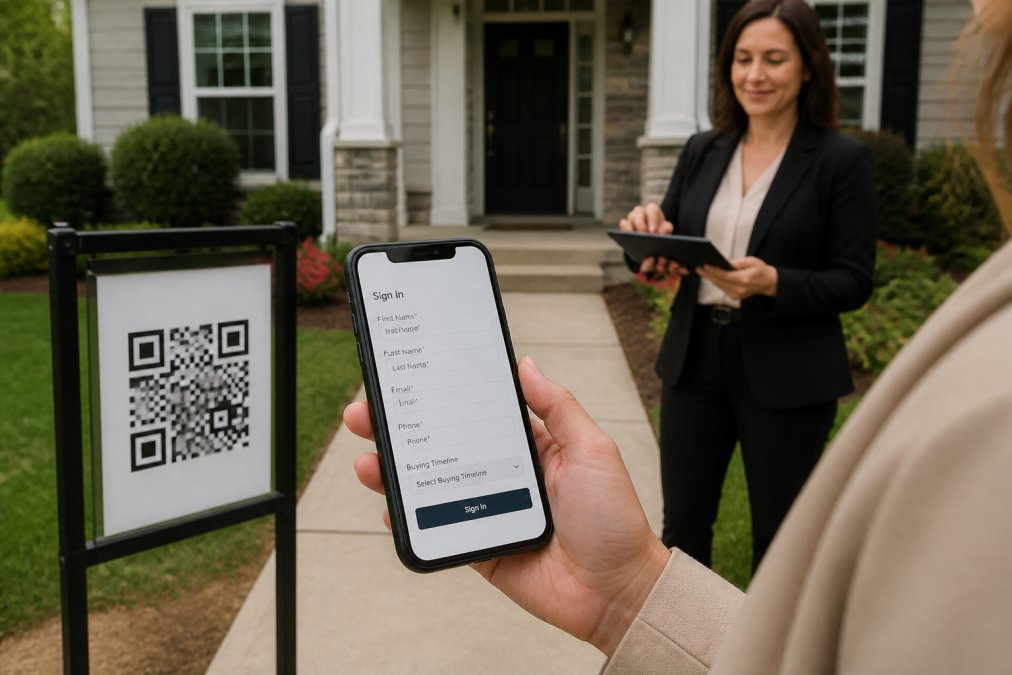
This verification step eliminates fake leads. The visitor never types a codeword into an app or system. They speak it to you. This proves the phone number they entered is real (they received the text) and the email is real (they received the backup). Fake leads are eliminated before they enter your CRM.
The instant a visitor submits their form, you receive a text and email alert with their details. You also get a running verified visitor log with flags for VoIP numbers, bounced emails, and undeliverable texts. If a visitor opts out of future contact, ohACCESS honors that globally.
Lead delivery to your CRM is automatic. ohACCESS sends every sign-in as a formatted lead email to your CRM's intake address. It works with Follow Up Boss, BoldTrail/kvCORE, Lofty, Sierra Interactive, Real Geeks, CINC, Top Producer, Wise Agent, LionDesk, and other systems. You can also connect via Zapier webhook. Leads arrive parsed and ready.
For seller reporting, ohACCESS provides a one-tap Seller Report page showing aggregate data only: total visitor count, how many plan to buy within 6 months, the buying-timeline breakdown, average visitor rating (1-10 scale), and whether visitors think the price is too high, reasonable, or too low. It contains no visitor names, phone numbers, emails, or arrival times. Visitors consented to you having their info, not the seller. This privacy design builds trust with both buyers and sellers.
The platform flags VoIP and burner numbers, supports international visitors with WhatsApp codeword delivery, and purges all data automatically after 3 years. It includes custom questions (one on the sign-in form, up to two in post-tour feedback), CSV export, a permanent reusable QR code per agent, print-ready branded QR signs, automatic day-before reminders to visitors, and post-event lead reports. ohACCESS is Patent Pending and has an attorney-reviewed Terms and Privacy Policy.
Best for: Agents and brokerages who refuse to accept fake leads. If lead quality and immediate CRM integration matter most, ohACCESS is the top choice.
Pros:
- Eliminates fake leads through two-factor verification (text + email codewords)
- Automatic lead delivery to your CRM, no manual data entry
- Privacy-safe seller reports build trust with homeowners
- Supports 16 languages and international visitors via WhatsApp
- Flat pricing that never scales with volume or visitor count
Cons:
- Requires visitor smartphone access
- No offline mode; sign-in requires internet connection
2. Block Party: Simple Lead Management for Solo Agents
Block Party is built for agents who want straightforward digital sign-in without complexity. Visitors fill out a customizable form, and Block Party stores that data and sends automated thank-you emails.
Block Party appeals to solo agents who prefer an all-in-one tool for capture and basic follow-up. There's no verification layer; it's a standard digital form. Lead management happens inside Block Party rather than your CRM, so you're working in two systems instead of one.
The interface is intuitive, setup takes minutes. For agents running one or two open houses per month and not heavily reliant on CRM integration, Block Party is accessible.
Best for: Solo agents seeking a simple, affordable digital sign-in solution with basic lead management built in.
Pros:
- Easy setup and minimal learning curve
- Included automated thank-you emails
- Affordable pricing with free trial option
- Works on tablets and mobile devices
Cons:
- No lead verification, relies on visitor honesty
- Limited CRM integrations
- Leads live in Block Party, not your primary CRM
3. Open House Sign In: Affordable Digital Forms and Export
Open House Sign In offers straightforward digital sign-in focused on form capture and data export. Visitors fill out a customizable form, and you export the data to CSV or connect to supported CRMs.
Data export is the main workflow. You download CSV files and import them into your CRM manually, or use direct integrations if your CRM is supported. This approach works for agents who don't mind a manual handoff step between sign-in and CRM.
Best for: Budget-conscious agents who want digital sign-in without verification or advanced CRM automation.
Pros:
- Cost-effective entry point for digital sign-in
- Simple interface and quick setup
- Supports multiple open houses under one account
- CSV export for flexibility
Cons:
- No lead verification; form data is only as honest as the visitor
- Manual CRM integration requires export and import steps
- Limited advanced reporting or analytics
4. Curate Open House: Branded Sign-In with Follow-Up
Curate Open House emphasizes professional branding and post-open house follow-up. Visitors sign in on a tablet with a branded interface, and the platform sends automated follow-up emails based on buyer intent signals.
The appeal is the polished, professional appearance. Visitors see your branding, not a generic form. Follow-up is partially automated, so you're not manually emailing every visitor. CRM integration exists but isn't the core focus; the platform is built around its own email follow-up engine.
Best for: Agents who prioritize a branded visitor experience and want built-in automated follow-up.
Pros:
- Professional, customizable sign-in interface
- Automated follow-up emails based on buyer intent
- Captures valuable timeline and motivation data
- Helps agents stay organized post-open house
Cons:
- Higher price point than basic alternatives
- No lead verification, relies on visitor accuracy
- Built-in email follow-up may duplicate your CRM's capabilities
5. Dotloop: Transaction-Integrated Open House Capture
Dotloop is a transaction management platform that includes open house sign-in as one feature. If you're already using Dotloop for contract management and closing workflows, adding open house capture keeps everything in one place.
Visitors sign in digitally, and Dotloop captures their information. You can also collect e-signatures for disclosures or touring agreements at the open house itself. Leads flow directly into Dotloop's transaction management system.
The strength is integration depth. If Dotloop is your transaction hub, open house leads connect seamlessly to the rest of your deal workflow. The weakness is that open house features are secondary to Dotloop's core transaction focus.
Best for: Agents already using Dotloop for transactions who want to consolidate open house lead capture into the same platform.
Pros:
- Seamless integration with Dotloop transaction workflows
- Collect e-signatures on-site for disclosures
- Reduces data entry by keeping everything in one system
- Free tier available for testing
Cons:
- Open house features aren't as specialized as dedicated tools
- Requires Dotloop subscription for full value
- Lead nurturing capabilities are basic compared to CRM-focused platforms
How to Choose the Right Open House Sign-In App for Your Business
Choosing the best open house sign-in app depends on three core priorities: lead quality, CRM workflow, and budget.
Lead quality is the first filter. If fake leads are your biggest problem, you need verification. ohACCESS is the only platform in this comparison that verifies contact information through two-factor codeword authentication. Every other tool relies on visitor honesty. This matters most if you're handling high-volume open houses.
CRM integration is the second filter. How quickly do leads need to reach your CRM? ohACCESS delivers leads automatically as formatted emails or via Zapier. Block Party and Curate keep leads in their own systems. Open House Sign In requires CSV export and manual import. Dotloop integrates directly if you're already a Dotloop user. If you want zero friction between sign-in and follow-up, automatic CRM delivery is essential.
Budget is the third filter. ohACCESS, Block Party, and Open House Sign In all start under $20/month. Curate and Dotloop are higher. If you're managing a team, ohACCESS's flat team pricing is significantly cheaper than per-agent models.
Privacy and Compliance Considerations
Open house sign-in apps collect phone numbers and email addresses, so privacy compliance matters. Visitors expect their information to be protected, and you have legal obligations to handle it responsibly.
Most platforms honor STOP opt-outs and unsubscribe requests. ohACCESS flags bounced emails and undeliverable texts automatically, so you're not repeatedly contacting someone who's opted out. The platform also supports international visitors and complies with phone carrier regulations.
Seller reporting is another privacy touchpoint. When you share open house metrics with sellers, never include visitor names, phone numbers, or email addresses. Visitors consented to you having their information, not the homeowner. ohACCESS's seller report is aggregate-only by design, it shows counts and trends, not individual visitor rows.
Data retention is your responsibility. Most platforms offer automatic purge policies. ohACCESS purges all data automatically after 3 years, so you're not storing visitor information indefinitely.
Choosing the best open house sign-in app means prioritizing lead verification, CRM speed, and your team's workflow. ohACCESS stands out for agents who refuse fake leads and need automatic CRM integration. If you're managing multiple agents or high-volume open houses, the verified digital check-in process pays for itself in time saved and bad leads eliminated. Start with the free trial, 25 visitor registrations cost nothing, and you'll immediately see the difference verified leads make in your follow-up conversion rate.
Frequently Asked Questions
Q: How does a digital open house sign-in app verify visitor contact information?
A: Most digital sign-in apps require visitors to enter their name, email, and phone number directly into a form on their own phone. ohACCESS goes further by sending two codewords, one by text and one by email, to the phone number and email address the visitor entered. The visitor then tells a codeword to the host agent at the door, proving both the phone and email are real and belong to that person. This eliminates fake names and invalid contact information that plague paper sign-in sheets.
Q: What's the best way to integrate open house sign-in data into my CRM?
A: Look for apps that deliver leads automatically into your CRM without requiring manual data entry. ohACCESS sends every sign-in as a formatted lead email to your CRM's intake address (verified with Follow Up Boss, BoldTrail/kvCORE, Lofty, Sierra Interactive, Real Geeks, CINC, Top Producer, Wise Agent, and LionDesk) or via a Zapier webhook that connects to thousands of other apps. This ensures your lead data is immediately available for follow-up without extra steps.
Q: Can I show my homeowner how many people came to the open house?
A: Yes. Most apps generate reports showing visitor count and engagement. ohACCESS provides a one-tap Seller Report that shows the total number of registered visitors, the breakdown of buying timelines, average visitor ratings, and price feedback, all without revealing visitor names, phone numbers, or emails. This protects visitor privacy while giving sellers proof of turnout and buyer interest.
Q: What happens if a visitor doesn't have a smartphone or doesn't want to scan a QR code?
A: This is a real limitation of most digital sign-in apps, including those that rely on QR codes or mobile forms. However, many agents find that the vast majority of buyers today carry smartphones and are comfortable with quick digital registration. If you expect many non-smartphone users, ask vendors about alternative check-in methods or hybrid approaches (paper backup with manual entry). ohACCESS requires visitor self-registration on their own phone; there is no agent-side manual entry option.
Q: Do I need to worry about privacy and GDPR compliance when collecting phone numbers and emails at open houses?
A: Yes, privacy matters. In the United States, the primary concern is compliance with state privacy laws and the CAN-SPAM Act for email follow-up. Most reputable open house sign-in apps include attorney-reviewed Terms and Privacy Policies. ohACCESS honors STOP opt-outs globally, flags bounced emails and undeliverable texts, and purges data automatically after 3 years. Always review an app's privacy policy and ensure it aligns with your state's requirements before deploying it.
This article was written using GrandRanker
Frequently asked questions
Q: How does a digital open house sign-in app verify visitor contact information?
A: Most digital sign-in apps require visitors to enter their name, email, and phone number directly into a form on their own phone. ohACCESS goes further by sending two codewords—one by text and one by email—to the phone number and email address the visitor entered. The visitor then tells a codeword to the host agent at the door, proving both the phone and email are real and belong to that person. This eliminates fake names and invalid contact information that plague paper sign-in sheets.
Q: What's the best way to integrate open house sign-in data into my CRM?
A: Look for apps that deliver leads automatically into your CRM without requiring manual data entry. ohACCESS sends every sign-in as a formatted lead email to your CRM's intake address (verified with Follow Up Boss, BoldTrail/kvCORE, Lofty, Sierra Interactive, Real Geeks, CINC, Top Producer, Wise Agent, and LionDesk) or via a Zapier webhook that connects to thousands of other apps. This ensures your lead data is immediately available for follow-up without extra steps.
Q: Can I show my homeowner how many people came to the open house?
A: Yes. Most apps generate reports showing visitor count and engagement. ohACCESS provides a one-tap Seller Report that shows the total number of registered visitors, the breakdown of buying timelines, average visitor ratings, and price feedback—all without revealing visitor names, phone numbers, or emails. This protects visitor privacy while giving sellers proof of turnout and buyer interest.
Q: What happens if a visitor doesn't have a smartphone or doesn't want to scan a QR code?
A: This is a real limitation of most digital sign-in apps, including those that rely on QR codes or mobile forms. However, many agents find that the vast majority of buyers today carry smartphones and are comfortable with quick digital registration. If you expect many non-smartphone users, ask vendors about alternative check-in methods or hybrid approaches (paper backup with manual entry). ohACCESS requires visitor self-registration on their own phone; there is no agent-side manual entry option.
Q: Do I need to worry about privacy and GDPR compliance when collecting phone numbers and emails at open houses?
A: Yes, privacy matters. In the United States, the primary concern is compliance with state privacy laws and the CAN-SPAM Act for email follow-up. Most reputable open house sign-in apps include attorney-reviewed Terms and Privacy Policies. ohACCESS honors STOP opt-outs globally, flags bounced emails and undeliverable texts, and purges data automatically after 3 years. Always review an app's privacy policy and ensure it aligns with your state's requirements before deploying it.
Keep reading
Start free with 25 verified check-ins. No credit card required.
Start Free