Protecting Real Estate Agents at Showings: A Safety Guide
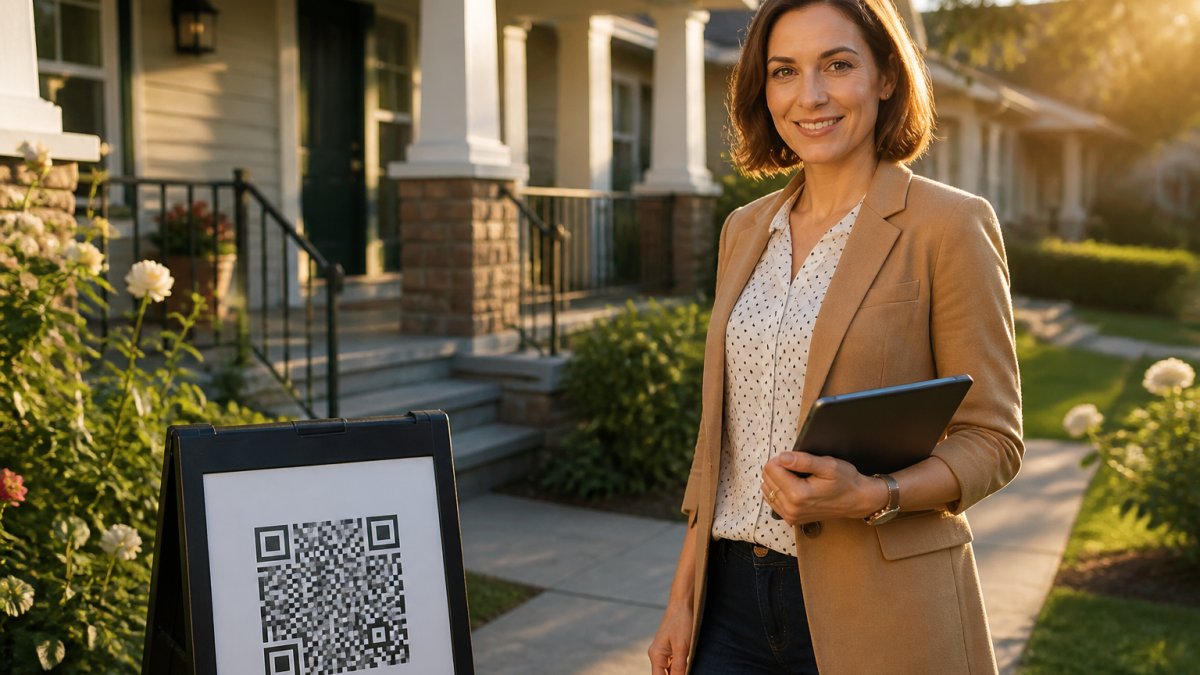
Table of Contents
- Why Protecting Real Estate Agents at Showings Matters
- Screen and Vet Prospective Clients Before the Showing
- Build a Real Estate Showing Safety Checklist
- Open House Safety Tips for Agents
- Implement a Real Estate Agent Safety Check-In System
- Create Your Real Estate Agent Personal Safety Plan
- Respond to Safety Concerns and Report Incidents
- Frequently Asked Questions
Last Updated: October 10, 2026
Why Protecting Real Estate Agents at Showings Matters
Real estate agents face unique safety risks during property showings: you're alone with strangers in unfamiliar homes, carry valuable items, and share personal information before meeting clients face-to-face. Protecting real estate agents at showings requires clear procedures, situational awareness, and the right technology.
Screen and Vet Prospective Clients Before the Showing
Client screening catches red flags early and separates genuine buyers from potential threats. Call or email prospects before scheduling and ask about timeline, budget, and what they're seeking.
Request proof of preapproval. Ask to see a mortgage preapproval letter before scheduling. This filters out browsers, confirms financial capacity, and gives you verified contact information.
Check their contact information. Does the phone number match the email domain? Does their name appear consistently? Scammers often use inconsistent details or burner phones.
Use a verified check-in system. ohACCESS replaces paper sign-in sheets with verified digital registration.
Trust your gut. If a prospect's story doesn't add up or their behavior feels off, cancel the showing. Your safety matters more than a single potential sale.
Build a Real Estate Showing Safety Checklist
A safety checklist ensures you follow the same steps for every showing consistently.
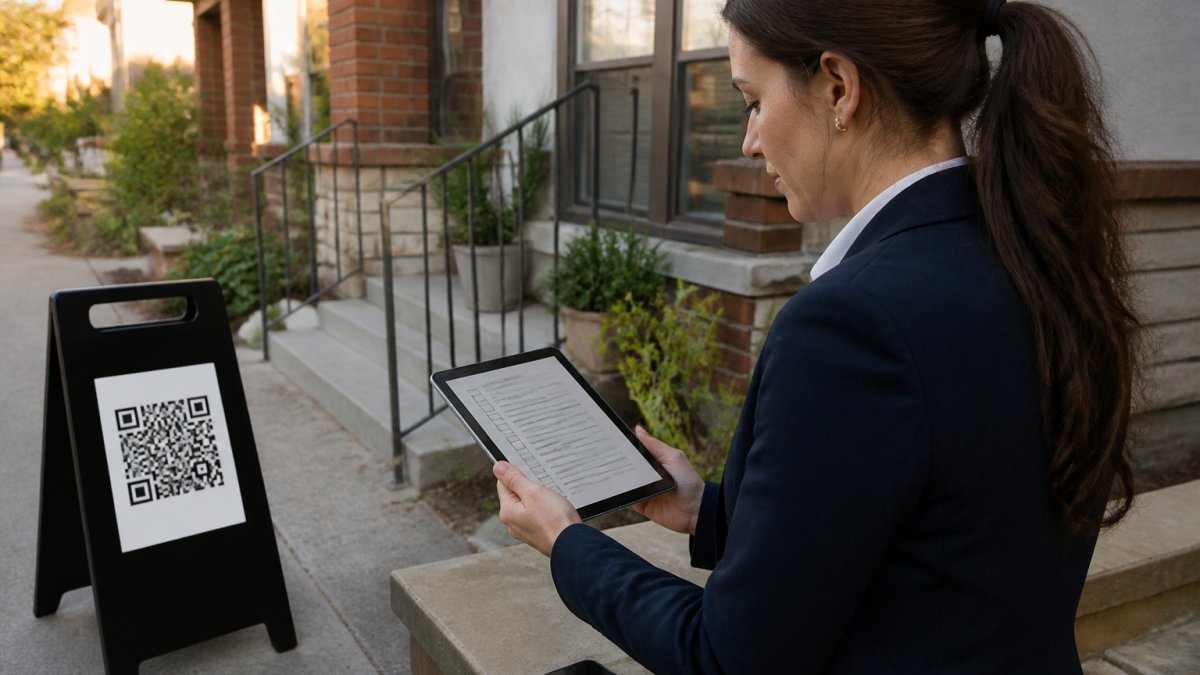
Before every showing, verify:
- Client identity confirmed (name, phone, email match)
- Preapproval letter or proof of financial qualification received
- Phone fully charged and location sharing enabled
- Emergency contact notified of showing location and expected return time
- Vehicle parked in visible location with doors unlocked for quick exit
- Personal safety device accessible (whistle, pepper spray, or personal alarm)
- Showing route planned with clear exit paths
- Property access confirmed (keys, codes, lock box status)
- Backup agent or office staff knows your schedule
During the showing, maintain:
- Client within sight at all times
- Phone in hand or easily accessible
- Doors unlocked while moving through property
- Awareness of exits from each room
- Conversation focused on property, not personal details
- Professional boundaries maintained
After the showing, complete:
- Confirmation message sent to emergency contact
- Lead information entered into CRM immediately
- Any concerns or incidents documented
- Feedback notes added if using a system like ohACCESS
Print this checklist and keep it in your car. Review it before each showing.
Open House Safety Tips for Agents
Open houses create different risks than one-on-one showings. You're managing multiple visitors simultaneously with less control over the environment. Tailor precautions to the specific showing type.
Private One-on-One Showings (Highest Risk)
Private showings are the most common and often the riskiest. You're alone with a stranger in an unfamiliar property.
Meet the client at your office first whenever possible. This lets you verify their identity, assess their demeanor, and establish a documented paper trail.
Bring a colleague or partner. If you must show a property alone, bring a colleague, assistant, or trusted team member.
Plan your route and exits. Mentally map the layout before entering. Know where exits are and how to reach your car quickly.
Keep your phone accessible and charged. Keep it in your hand or easily accessible.
Maintain professional boundaries. Keep conversation focused on the property. Do not share personal information, accept rides, or allow the client to follow you to your car alone.
Vacant Properties (High Risk)
Vacant homes present unique dangers: no neighbors to hear a disturbance, no monitoring of entry, potential hazards from utilities being off, and possible squatters or trespassers.
Never show a vacant property alone. Always bring a colleague, assistant, or partner. Arrive 15 minutes early and walk through every room to check for squatters, damage, or hazards.
Keep doors and windows unlocked for quick exit. Keep interior doors open and maintain a clear path to the front door and vehicle. Bring a flashlight for dark areas and skip any space that is too dark or unsafe to show.
Verify the client has legitimate interest. Confirm preapproval and genuine interest in this specific property. If they seem more interested in layout or security than buying, that's a red flag.
Occupied Properties (Moderate Risk)
Occupied homes are generally safer because the owner or occupant is present. Call the owner or listing agent to verify they're expecting you, confirm the time, and verify access method. Do not show up unannounced.
Introduce yourself and the client to the owner. Greet the owner and introduce your client by name to establish legitimacy and create a witness.
Respect the owner's space and privacy. Do not open drawers, cabinets, or closets without permission. Do not allow the client to wander unsupervised. If the owner seems uncomfortable or asks you to leave, respect that immediately and depart.
Open Houses (Moderate to High Risk, Depending on Traffic)
Open houses attract a mix of serious buyers, curious neighbors, and potential troublemakers. Schedule during daylight hours (1-4 PM on weekends) for better lighting, more witnesses, and less likelihood of visitors lingering or hiding.
Station yourself near the entrance. Position yourself where you can see everyone entering and leaving. Greet each visitor and confirm they're legitimate. If you need to step away, have a colleague or assistant cover the entrance.
Use a digital sign-in system. ohACCESS sends instant alerts when each visitor registers. Visitors scan a QR code, fill out a short form, and instantly receive two codewords, one by text and one by email. They tell a codeword to you at the door to enter.
Keep valuables out of sight. Remove jewelry, purses, and personal items from counters and lock them in your car. Have a backup present. Bring a colleague, assistant, or trusted friend. Communicate with your office. Tell your broker or manager when you're hosting an open house, share the property address and times, and check in when you're done.
Rural or Isolated Properties (High Risk)
Rural properties present compounded risks: they're far from help, neighbors are distant, cell service may be spotty, and response times for emergency services are longer. Require proof of preapproval and call the client to confirm interest and timeline. Never show a rural property alone; bring a colleague or assistant, or reschedule.
Verify cell service before the showing. Test your phone signal at the property and plan an alternative communication method if service is unreliable. Inform your office of the exact location with the full address, GPS coordinates if available, and expected arrival and departure times. Plan your route and know the exits. Park where you can exit quickly; do not park behind the client's vehicle.
Evening Showings (High Risk)
Evening showings are riskier than daytime showings due to reduced visibility and fewer people around. Avoid them whenever possible. If you must show in the evening, never show alone, bring a colleague or assistant. Turn on all lights as you enter. Require preapproval and call beforehand to confirm interest. Inform your broker of the address and expected arrival and departure times, and agree on a check-in protocol.
Implement a Real Estate Agent Safety Check-In System
A check-in system keeps you connected to your office and emergency contacts. Before each showing, send a text to your broker with the property address, client name, and expected return time. Enable location sharing with your broker, manager, or family member. Agree on a simple code word with your office that signals danger if you can't speak openly.
Document all client interactions. Keep records of who you showed properties to, when, and where, including their contact information and any notes about their behavior. Use verified check-in technology. ohACCESS automates visitor registration. Each visitor scans a QR code, fills out a short form, and instantly receives two codewords, one by text and one by email. They tell a codeword to you at the door to enter.
Create Your Real Estate Agent Personal Safety Plan
A personal safety plan outlines your safety procedures. Write down your non-negotiables (e.g., "I will not show vacant properties alone"). Identify high-risk situations and decide whether to handle them differently or skip them. Plan your routes and establish communication protocols. Choose your safety tools and keep a log of all showings with client names, property addresses, dates, times, and any concerns. Review and update your plan annually.
Respond to Safety Concerns and Report Incidents
If something feels wrong during a showing, trust that feeling.
Immediate Actions During a Threat
Leave immediately if you feel unsafe. If a client makes you uncomfortable, end the showing and leave. If you feel physically threatened, call 911 first. Remove yourself from the property and move to a safe location.
Document Everything Immediately
Write a detailed incident report while details are fresh. Include the date, time, and exact location; client name and contact information; what happened and what made you feel unsafe; your response; witnesses; any injuries; property details; and client history. Save this report in a secure location and take screenshots of any relevant text or email from the client.
Report to Your Broker and Brokerage
Contact your broker or manager the same day. Provide your written incident report. Follow your brokerage's incident reporting procedure exactly, complete all forms fully, and cooperate with any investigation.
Contact Law Enforcement if Necessary
If you were threatened, assaulted, or experienced a crime, file a police report. Provide police with a clear description of what happened, the client's identifying information, the property address and time, any injuries or property damage, and witness names. Get a police report number and provide it to your broker immediately. Preserve evidence by screenshotting threatening emails or texts, saving voicemails, and photographing any injuries or property damage.
Follow-Up and Prevention
Decline future showings with the same client. If a client has threatened or made you uncomfortable, you have the right to refuse to show them properties.
Alert your brokerage's internal flagging system. Ask your broker to add this client to the flagged list so other agents are aware.
Share information with the real estate community carefully. Warn colleagues factually and without exaggeration. Stick to what happened; avoid speculation.
Review your screening process. Ask yourself: What red flags did I miss? Did the client's preapproval check out? Use the incident to tighten your vetting process.
Frequently Asked Questions
What should a real estate agent do before meeting a buyer for a showing?
Before any showing, verify the buyer's identity and legitimacy through your CRM or prior conversations. Confirm the appointment 24 hours ahead and note their contact information. Share your showing itinerary and expected return time with a trusted colleague or office manager. Charge your phone fully and ensure you have a way to communicate if needed. Review the property layout and identify exits. Meet first-time buyers at your office to build rapport and confirm they are serious buyers before heading to the property.
How can a real estate agent let someone know where they are during a showing?
Use a check-in system with your office or a trusted contact. Share your showing schedule, property address, client name, and expected duration, before you leave. Some agents use location-sharing apps or send a text message when they arrive and when they leave each property. A formal real estate agent safety check-in system, like one that verifies visitor contact information at the door, also creates an automatic record of who was present and when, which your office can monitor.
What should a real estate agent do if they feel unsafe during a showing?
Trust your instincts. If something feels off, end the showing immediately. Make an excuse if needed, say you have another appointment or need to check something at the office. Move to a common area or exit the property. Call your office or a trusted contact once you are safe. Do not confront the person. After you leave, report the incident to your broker and document what happened. If you felt threatened, contact local law enforcement. Your safety is more important than any sale.
How can a real estate team create a safety plan for showings?
Develop a written policy that all agents follow. The plan should include client screening procedures, a buddy system for high-risk properties, mandatory check-in protocols with the office, and clear incident-reporting steps. Train all agents on situational awareness and de-escalation. Establish a showing schedule that keeps agents working during daylight hours when possible. Use a verified check-in system to capture legitimate buyer contact information and create a record of who entered the property. Review the plan annually and update it based on incidents or new best practices.
Frequently asked questions
What should a real estate agent do before meeting a buyer for a showing?
Before any showing, verify the buyer's identity and legitimacy through your CRM or prior conversations. Confirm the appointment 24 hours ahead and note their contact information. Share your showing itinerary and expected return time with a trusted colleague or office manager. Charge your phone fully and ensure you have a way to communicate if needed. Review the property layout and identify exits. Meet first-time buyers at your office to build rapport and confirm they are serious buyers before heading to the property.
How can a real estate agent let someone know where they are during a showing?
Use a check-in system with your office or a trusted contact. Share your showing schedule—property address, client name, and expected duration—before you leave. Some agents use location-sharing apps or send a text message when they arrive and when they leave each property. A formal real estate agent safety check-in system, like one that verifies visitor contact information at the door, also creates an automatic record of who was present and when, which your office can monitor.
What should a real estate agent do if they feel unsafe during a showing?
Trust your instincts. If something feels off, end the showing immediately. Make an excuse if needed—say you have another appointment or need to check something at the office. Move to a common area or exit the property. Call your office or a trusted contact once you are safe. Do not confront the person. After you leave, report the incident to your broker and document what happened. If you felt threatened, contact local law enforcement. Your safety is more important than any sale.
How can a real estate team create a safety plan for showings?
Develop a written policy that all agents follow. The plan should include client screening procedures, a buddy system for high-risk properties, mandatory check-in protocols with the office, and clear incident-reporting steps. Train all agents on situational awareness and de-escalation. Establish a showing schedule that keeps agents working during daylight hours when possible. Use a verified check-in system to capture legitimate buyer contact information and create a record of who entered the property. Review the plan annually and update it based on incidents or new best practices.
Keep reading
Start free with 25 verified check-ins. No credit card required.
Start Free