How to Present Open House Data to Home Sellers
Last Updated: November 6, 2026
Quick Summary
Present open house data to home sellers as a short, clear report sent soon after the event, using a consistent template. Lead with verified visitors and buyers planning to move within 6 months, then the timeline breakdown and visitor feedback. Present weak results honestly with a clear next step.
- Capture clean visitor data at the door so the open house data you present starts out verified.
- Lead with verified visitors and the count and percentage planning to buy within 6 months.
- Explain what each metric means and its limitation in one sentence.
- Fill in the reusable seller report template within 24 hours while details are fresh.
- Present weak or mixed results honestly and pair each weak number with a clear next step.
Table of Contents
- Why Sellers Need Open House Data in a Clear Format
- Step 1: Capture Clean Visitor Data at the Door
- Step 2: Choose the Metrics That Matter to Sellers
- Step 3: Build a Reusable Open House Seller Report Template
- Step 4: Collect Feedback With an Open House Feedback Form for Sellers
- Step 5: Send a Timely Open House Follow-Up Email to Seller
- Presenting Weak or Mixed Results Without Losing the Seller
- Your Next Step: Share Your First Seller Report This Weekend
- Frequently Asked Questions
Why Sellers Need Open House Data in a Clear Format
Sellers want proof that their open house drew real buyers. A clear report turns a Saturday afternoon into numbers a seller can read in under a minute. Without one, the seller only hears "it went well," and that rarely builds confidence in the price or the marketing plan.
Paper sign-in sheets make this hard. Names are missing, phone numbers are misspelled, and half the entries are unreadable. ohACCESS replaces that sheet with verified digital check-in, so the open house data you present starts out clean.
Presenting the data clearly also protects the relationship. For a ready-to-use layout, see how to send open house reports to sellers. A seller who sees a simple, honest summary trusts the agent more, even when the results are mixed.
Step 1: Capture Clean Visitor Data at the Door
Good reporting starts with good collection. Set up your check-in before the first visitor arrives.
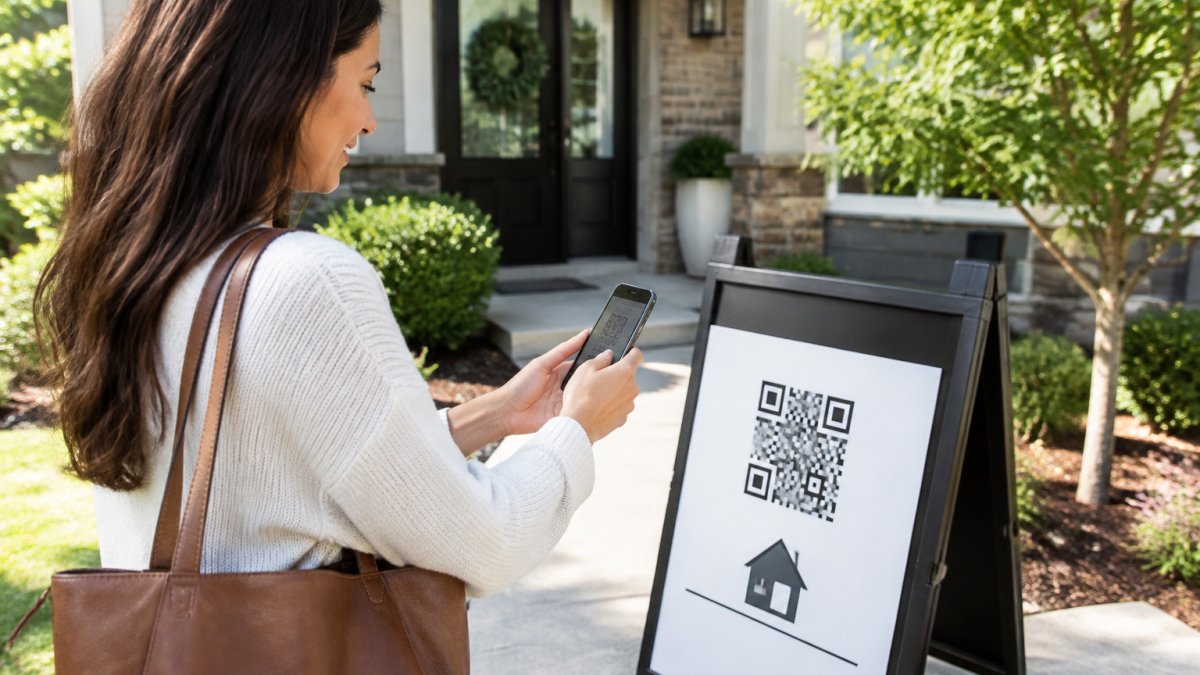
- Post a QR code sign outside the home. Visitors scan it on their own phones and fill out a short form.
- Collect the core fields. Name, email, phone, and buying timeline (0-3, 3-6, 6-12, or 12+ months) give you the data sellers care about most.
- Use the codeword to confirm entry. Each visitor receives two codewords, one by text and one by email. They tell you a codeword at the door. Nothing is typed back into any system, so there is no extra step for the visitor.
- Watch your alerts. ohACCESS sends a text and email alert for each sign-in, so you can keep track of arrivals during the event.
Watch out: If a visitor cannot give you a codeword, do not add their name by hand. Ask them to sign in again so the record stays verified.
Step 2: Choose the Metrics That Matter to Sellers
Sellers do not need every data point. They need the handful that show interest, support a pricing conversation, and come with an honest read on what each number can and cannot prove.
Here are the core metrics to report, what each one tells the seller, and where it can mislead:
- Registered visitors (verified sign-ins). The total number of people who checked in with a confirmed phone number and email. This is a reach measure, not a demand measure. A busy first weekend often reflects novelty or a new listing, not depth of buyer interest.
- Buyers planning to move within 6 months. The share of visitors whose buying timeline is 0-3 or 3-6 months. This is the most useful single number for a seller because it separates curious neighbors from active buyers. Report it as both a count and a percentage so the seller sees the base it came from.
- Timeline breakdown. How visitors split across all four ranges (0-3, 3-6, 6-12, 12+ months). A long tail of 12+ month visitors is not a failure; it can signal the home is drawing future buyers who may return if the price or timing shifts.
- Average visitor rating (1-10). The post-tour home rating. Treat this as a directional signal, not a verdict. A handful of ratings can swing the average, so always report the number of ratings behind it.
- Price verdict (Too High / Reasonable / Too Low). How visitors described the asking price. This is the metric sellers react to most, so present the full split rather than only the negative share. A cluster of "Too High" from buyers who are not in the market yet carries less weight than the same verdict from active, qualified buyers.
- Qualified-buyer conversations. A simple count of substantive conversations you had with visitors who are actively looking. This is a judgment call you record yourself, not a system output.
- Follow-up outcomes. How many visitors responded to your follow-up, booked a showing, or asked for more information. Track these in your own follow-up process.
Leave out details that do not help the seller decide anything. Sellers should never receive visitor names or contact details, and how to report results without exposing visitor personal data explains how to keep reports privacy-safe.
Watch out: Do not present a single open house as proof of market demand. One weekend is a small sample, and a low turnout can reflect weather, a holiday, or weak promotion rather than price.
The table below summarises the core metrics sellers care about, what each one tells them, and where it can mislead.
| Metric | What it tells the seller | Where it can mislead |
|---|---|---|
| Registered visitors (verified sign-ins) | Total people who checked in with a confirmed phone and email | Reach, not demand; a busy weekend can reflect novelty |
| Buyers planning to move within 6 months | Most useful single number for separating curious neighbors from active buyers | Report count and percentage so the base is visible |
| Timeline breakdown | How visitors split across 0-3, 3-6, 6-12 and 12+ months | A long 12+ month tail signals future interest, not failure |
| Average visitor rating (1-10) | Directional read on the home after the tour | A few ratings can swing the average; report the count |
| Price verdict (Too High / Reasonable / Too Low) | How visitors described the asking price | Weight depends on whether the visitor is actually in the market |
| Qualified-buyer conversations | Substantive talks with visitors actively looking | A judgment call the agent records, not a system output |
| Follow-up outcomes | Responses, booked showings and information requests | Depends on the agent's own follow-up process |
Step 3: Build a Reusable Open House Seller Report Template
A template saves time and keeps every report consistent. Use the same layout for every event so sellers can compare results across weekends.
Here is a simple structure you can copy:
Open House Summary: [Property Address] - [Date]
- Verified visitors: [number]
- Visitors planning to buy within 6 months: [number and percentage]
- Timeline breakdown: 0-3 months [#], 3-6 months [#], 6-12 months [#], 12+ months [#]
- Average visitor rating: [X] out of 10
- Price verdict: Too High [#], Reasonable [#], Too Low [#]
- Key feedback themes: [two or three short notes from visitor answers]
- Next steps: [what you will do next, such as follow-up calls or a price review]
Fill in the template within 24 hours of the event while the details are fresh. Attach it to a short email and share it through the seller report page.
Step 4: Collect Feedback With an Open House Feedback Form for Sellers
Visitor feedback adds depth to the numbers. ohACCESS's After Tour feedback lets visitors rate the home from 1 to 10 and give a price verdict. You can add up to two custom questions there.
Keep the questions short and specific. Good examples include:
- "What was the strongest feature of the home?"
- "What would make you consider making an offer?"
Summarize the answers as themes rather than quoting each visitor. This keeps the report useful and protects visitor privacy.
Step 5: Send a Timely Open House Follow-Up Email to Seller
Speed matters. A seller who gets a report the next day feels informed. A report that arrives a week later feels like an afterthought.
Send the follow-up email with these parts:
- A one-line greeting and thanks for hosting the event.
- The headline number, such as total verified visitors.
- The two or three findings that matter most.
- A clear next step you recommend.
ohACCESS sends a post-event lead report email to the agent automatically, so you can start the seller email from that data instead of rebuilding the list by hand. Visitors also receive an automatic thank-you email the next morning.
Presenting Weak or Mixed Results Without Losing the Seller
Not every open house goes well. Low turnout or lukewarm feedback is normal, and how you present it matters as much as the numbers.
Start by separating three different situations, because they call for different language:
- Inconclusive results. Few visitors, or a mix of timelines that does not point anywhere. Say so plainly: "Turnout was light, so this weekend does not tell us much about price. Here is what I would change before the next one." Then name one or two concrete adjustments, such as a weekday evening showing, better signage, or a promotion push.
- Negative but specific feedback. Several visitors said the price was too high, or the home rated low on condition. Acknowledge the pattern and connect it to a decision: "Three active buyers flagged the price. I would like to pull comparable sales and review whether an adjustment makes sense." Offer the review rather than announcing a price cut on the seller's behalf.
- Mixed signals. Strong turnout but weak follow-up, or good ratings but no offers. Point to the gap directly: "We had good traffic and solid ratings, but follow-up interest has been slow. That usually points to price or presentation, so let us look at both."
Avoid spinning the results. Sellers notice when an agent hides bad news, and that damages trust fast. Honest reporting with a clear plan keeps the seller engaged.
Connect feedback to strategy too. If several visitors said the price was too high, show the seller what that could mean for the listing and offer to review comparable sales together.
Watch out: Do not promise that a single change will fix a slow listing. Present adjustments as tests with a review point, not as guarantees, and keep the seller involved in the decision.
Your Next Step: Share Your First Seller Report This Weekend
You do not need a perfect system to start. Set up verified check-in for your next open house, fill in the template within a day, and send it to your seller with a clear next step.
Start Free with ohACCESS and get your first 25 sign-ins at no cost, with every feature included and no credit card required.
Frequently Asked Questions
What should an open house seller report template include?
A useful seller report opens with the basics: the number of registered visitors, how many plan to buy within 6 months, and the buying-timeline breakdown across the 0-3, 3-6, 6-12 and 12-plus month windows. Add the average 1-10 visitor rating and the price verdict (Too High, Reasonable or Too Low), plus a short summary of answers to any custom questions you asked. Keep the report aggregate only. Visitor names, phone numbers, emails and arrival times do not belong in a seller document, because visitors agreed to share their details with the agent, not with the seller.
How soon after an open house should you update the seller?
Send the seller a summary within one business day while the feedback is still fresh and the buyer interest is still active. A same-day or next-morning update shows responsiveness and gives you time to discuss any pricing or staging adjustments before the next showing. Pair the written report with a short call so the seller can ask questions about the numbers and the feedback themes.
How do you explain open house results when attendance is low?
Lead with the facts rather than softening them. A low turnout count, a high share of buyers in the 12-plus month window and a mixed price verdict each tell a specific story. Present the numbers, explain what they suggest about timing, pricing or marketing reach, and outline the next steps you plan to take, such as adjusting online promotion or scheduling a second event. Sellers respond better to a clear plan than to vague reassurance.
How can you present open house visitor interest without sharing personal information?
Report interest through aggregate figures: total registered visitors, the share planning to buy within 6 months, the average visitor rating and the distribution of price verdicts. A one-tap seller report from ohACCESS works this way by design, showing counts and averages rather than per-visitor rows. This lets the seller see buyer demand while the visitors' personal details stay with the agent, consistent with the consent they gave at sign-in.

Frequently asked questions
What should an open house seller report template include?
A useful seller report opens with the basics: the number of registered visitors, how many plan to buy within 6 months, and the buying-timeline breakdown across the 0-3, 3-6, 6-12 and 12-plus month windows. Add the average 1-10 visitor rating and the price verdict (Too High, Reasonable or Too Low), plus a short summary of answers to any custom questions you asked. Keep the report aggregate only. Visitor names, phone numbers, emails and arrival times do not belong in a seller document, because visitors agreed to share their details with the agent, not with the seller.
How soon after an open house should you update the seller?
Send the seller a summary within one business day while the feedback is still fresh and the buyer interest is still active. A same-day or next-morning update shows responsiveness and gives you time to discuss any pricing or staging adjustments before the next showing. Pair the written report with a short call so the seller can ask questions about the numbers and the feedback themes.
How do you explain open house results when attendance is low?
Lead with the facts rather than softening them. A low turnout count, a high share of buyers in the 12-plus month window and a mixed price verdict each tell a specific story. Present the numbers, explain what they suggest about timing, pricing or marketing reach, and outline the next steps you plan to take, such as adjusting online promotion or scheduling a second event. Sellers respond better to a clear plan than to vague reassurance.
How can you present open house visitor interest without sharing personal information?
Report interest through aggregate figures: total registered visitors, the share planning to buy within 6 months, the average visitor rating and the distribution of price verdicts. A one-tap seller report from ohACCESS works this way by design, showing counts and averages rather than per-visitor rows. This lets the seller see buyer demand while the visitors' personal details stay with the agent, consistent with the consent they gave at sign-in.
Keep reading
Start free with 25 verified check-ins. No credit card required.
Start Free