Transaction Management Software for Small Brokerages

Table of Contents
- What Small Brokerages Need From Transaction Management Software
- Comparing Top Transaction Management Platforms
- Automated Lead Intake for Brokers: Starting the Transaction Right
- Beyond Subscription Costs: The Real Total Cost of Ownership
- How Real Estate Back Office Software Handles Compliance and Security
- Migration and Implementation Without the Headaches
- Which Transaction Management Software Is Right for Your Brokerage?
- Conclusion: Build a Workflow That Closes Deals Faster
- Frequently Asked Questions
Last Updated: September 8, 2026
Most small brokerages run on a patchwork of paper forms, spreadsheets, and email threads. That approach breaks down the moment a deal moves from listing to contract, when documents, deadlines, and compliance requirements multiply faster than a coordinator can track them. Transaction management software for small brokerages consolidates those moving parts into a single, cloud-based platform where agents, coordinators, and brokers can see the status of every deal at a glance. This guide from ohACCESS walks through what to look for and how to avoid the migration headaches that sink most implementations.
The right platform does more than store files. It creates an audit trail, automates reminders, and enforces your brokerage's standards on every transaction. For a team of two to ten agents, the goal is structure without the administrative burden of enterprise software. Below, we break down the core capabilities, compare the leading options, and expose the hidden costs that rarely appear in a vendor demo.
What Small Brokerages Need From Transaction Management Software
Transaction management software is a digital workspace that tracks a real estate deal from accepted offer to closing, managing documents, tasks, and compliance checkpoints in one place. For a small brokerage, the essential features are document storage with version control, task management with automated reminders, and an audit trail that records every action on the file.
Electronic signatures are non-negotiable in 2026. Buyers and sellers expect to sign from their phones, and a platform with built-in e-signature capability removes the friction of printing, scanning, and re-sending documents. Look for a system that lets you create checklists per transaction type so your team follows the same closing process every time, whether that is a standard residential purchase or a complex 1031 exchange.
Commission tracking matters more than most buyers realize. You need to see, at a glance, what is owed to the office, what is due to referring agents, and when those payments clear. A reporting dashboard that shows agent performance and deal velocity turns your transaction data into a management tool rather than just a filing cabinet.
Comparing Top Transaction Management Platforms
The market splits into two camps: all-in-one suites that bundle transaction management with brokerage accounting and marketing, and focused tools that do one job exceptionally well. Your choice depends on whether you already have a CRM and accounting system you like, or whether you are starting from scratch and want a single vendor.
The table below summarizes the leading platforms small brokerages typically evaluate.
| Platform | Core Strength | Best For | Pricing Model |
|---|---|---|---|
| ohACCESS | Verified open-house lead capture and intake | Solo agents and teams automating lead entry | Free trial, then flat subscription |
| Paperless Pipeline | Simple checklist-based tracking | Teams prioritizing ease of use | Subscription, contact vendor |
| SkySlope | Compliance and audit trail depth | Brokerages needing strong oversight | Subscription, contact vendor |
| Dotloop | E-signature and collaboration | Teams working closely with clients | Subscription, contact vendor |
| Brokermint | Commission and back-office automation | Brokerages automating accounting | Subscription, contact vendor |
| DocJacket | Coordinator-focused task management | Small teams and independent coordinators | Pricing depends on quantity, dates, and delivery |
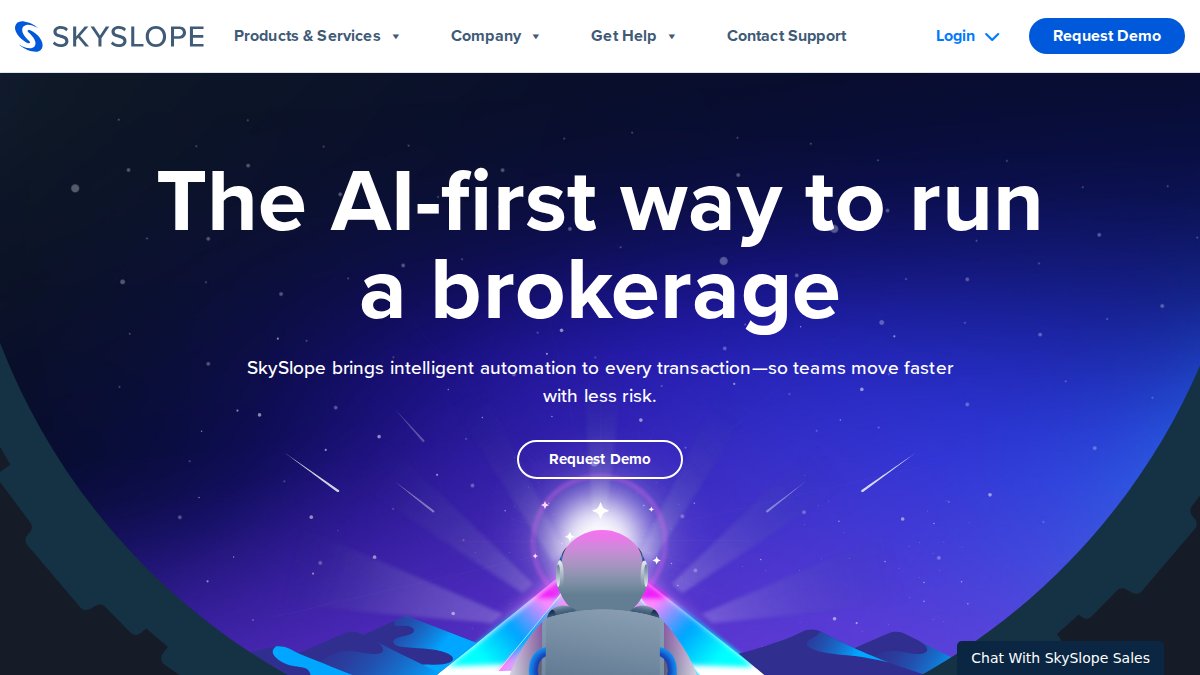
SkySlope leads the compliance category with digital signature integration and review workflows. Its audit trail is among the most detailed in the industry, which appeals to brokers who face regular state audits.
Dotloop remains a strong option for collaboration, letting agents, buyers, sellers, and closing attorneys edit and sign the same document in real time. Its broker dashboard provides the oversight smaller offices need without the administrative overhead of a full enterprise suite.
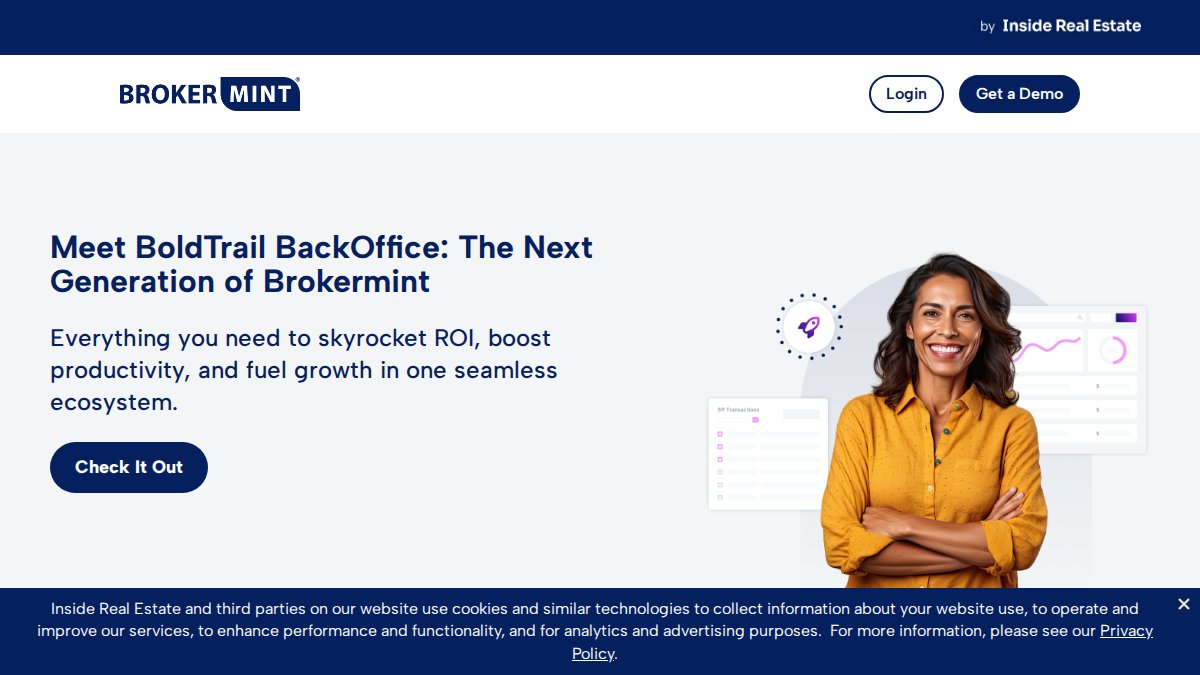
Brokermint automates the back office, calculating commissions automatically and pushing data into accounting software. Teams that close high volume will find the reporting tools worth the added complexity.
All-in-One Suites vs. Focused Tools
All-in-one suites like SkySlope or Brokermint consolidate your transaction management, commission accounting, and agent onboarding into one platform. The trade-off is complexity: these systems take longer to configure and often require a dedicated admin to manage user permissions and workflow rules.
Focused tools like Paperless Pipeline or DocJacket keep the scope narrow, tracking documents and tasks with a short learning curve. They integrate with your existing CRM and accounting software rather than replacing them. For a brokerage of under ten agents, a focused tool usually delivers better adoption rates because the team actually uses it.
Automated Lead Intake for Brokers: Starting the Transaction Right
The transaction lifecycle begins long before a contract is signed, it starts with the lead capture at an open house. If your team is still transcribing names from a paper sign-in sheet into a CRM, the data entry errors and fake contact information are contaminating your pipeline from day one. Automated lead intake for brokers solves this at the source.

ohACCESS replaces the paper sheet with verified digital check-in. A visitor scans a QR code at the door and fills a short form on their own phone, providing their name, email, phone number, and buying timeline. The system instantly sends two codewords, one by text and one by email, which the visitor shares with the host agent to enter. This verification step proves the contact details are real, eliminating the fake names and invalid numbers that plague paper-based sign-ins.
Every sign-in triggers an instant alert to the agent, and the lead data flows directly into the brokerage's CRM as a formatted lead email or through a Zapier webhook. The result is a clean pipeline where follow-up happens within minutes of the open house ending, not days later when the stack of paper finally gets entered.
Beyond Subscription Costs: The Real Total Cost of Ownership
The monthly subscription is only the starting point. Most brokerages underestimate the total cost of ownership because they ignore implementation time, data migration, and ongoing administration.
A common mistake is choosing a platform that requires heavy configuration. If you need to build custom workflows, map every field in your old system to the new one, and train ten agents across multiple offices, the setup cost in staff hours can exceed the first year of subscription fees. Focused tools with pre-built transaction checklists go live in days; enterprise suites can take months.
Data migration is where deals fall apart. Before you commit, ask the vendor how they handle importing your active transaction files, including document metadata and historical audit trails. Some platforms charge extra for data import services, and a poorly executed migration can orphan documents or break compliance records.
Integration capabilities also carry hidden costs. If your transaction platform does not connect cleanly to your accounting software, you may need to re-enter commission data manually each month. Check whether the vendor offers native integrations or relies on middleware like Zapier.
How Real Estate Back Office Software Handles Compliance and Security
Real estate back office software enforces regulatory compliance by standardizing how documents are reviewed, signed, and stored across every transaction. Instead of relying on a coordinator to remember which forms need initialing in which order, the platform makes the checklist mandatory.
Document compliance starts with an audit trail. Every upload, view, edit, and signature is timestamped and attributed to a specific user, giving your brokerage a defensible record if a transaction is disputed. Look for user permissions that restrict access to sensitive files, so only the broker and the listing agent can view commission agreements.
Data security is a separate concern from compliance. Cloud-based platforms store your files on third-party servers, so you need to verify the vendor's encryption standards, both in transit and at rest. Ask about their data retention policies and whether they purge files automatically after a set period, which helps you meet privacy obligations under state law.
State-level regulations vary significantly, so confirm that the platform supports the specific forms and disclosure requirements for the states where you operate. A system built for one region may not recognize the mandatory clauses or timelines required in another.
Migration and Implementation Without the Headaches
A successful migration starts with a data audit. Before you switch platforms, inventory every active transaction, identify which documents are required for compliance, and archive anything that is closed or duplicate. This cleanup phase determines whether your new system starts organized or chaotic.
Map your old data fields to the new platform's structure before you begin the import. Transaction statuses, agent assignments, and commission splits rarely match between systems, so decide in advance how each field translates. Skipping this step produces a database full of empty fields and mislabeled files.
Run a pilot with one or two agents before rolling out to the full team. Choose agents who will give constructive feedback, and use their real transactions to test the checklists, e-signature flow, and reporting. A pilot surfaces workflow gaps that a demo never reveals, such as missing document types or reminder timing that does not match your closing process.
Which Transaction Management Software Is Right for Your Brokerage?
For most small brokerages, the decision comes down to your team size and your tolerance for complexity. A solo agent or a team of two to three needs a tool that is simple enough to use between showings, with automated lead intake that feeds the CRM without manual effort. For that profile, ohACCESS delivers verified open-house leads directly into your pipeline, ensuring the transaction starts with accurate data.
Brokerages of five to ten agents typically need more structure. A platform like Paperless Pipeline or Dotloop provides the transaction checklists and e-signature capability that keep deals moving while giving the broker visibility into every file. These tools shine when you have a dedicated coordinator who manages the workflow.
Offices with eleven or more agents should evaluate SkySlope or Brokermint for their compliance depth and commission automation. The added cost and configuration effort pay off when you are managing multiple offices and need broker-level oversight across a high volume of files.
| Brokerage Size | Recommended Approach | Key Priority |
|---|---|---|
| Solo agent | ohACCESS for lead intake, simple transaction tracker | Verified leads, low cost |
| 2-10 agents | Focused tool with e-signature | Team adoption, checklists |
| 11+ agents | All-in-one suite | Compliance, commission automation |
Conclusion: Build a Workflow That Closes Deals Faster
Small brokerages do not need enterprise software; they need a workflow that moves a deal from open house to closing without dropped documents or missed deadlines. That starts with automated lead intake that feeds verified contacts into your CRM, and it ends with a transaction platform that enforces your closing process on every file.
ohACCESS handles the front end, replacing paper sign-in sheets with verified digital check-in that eliminates fake leads and delivers clean data to your CRM instantly. The team at ohACCESS keeps the free trial open for your first 25 sign-ins, so you can test the verification flow at your next open house before committing. Start Free and build a transaction workflow that actually closes deals faster.
Frequently Asked Questions
What is the difference between a CRM and transaction management software?
A CRM (Customer Relationship Management) system tracks leads, interactions, and follow-ups, managing the front end of your business. Transaction management software handles the back end: documents, contracts, disclosures, compliance checklists, and task deadlines once a deal is in progress. The two work together. Transaction management software guides a deal from accepted offer to close, while a CRM helps you generate the next one.
What features should a small brokerage look for in transaction management software?
Prioritize document storage with version control, e-signature integration, automated task reminders, and an audit trail for compliance. A broker-level dashboard for oversight and commission tracking is also critical. Look for a platform that scales with your team size without requiring enterprise-level configuration. The best tools balance robust compliance features with an interface your agents will actually use daily.
How does transaction management software improve brokerage efficiency?
It centralizes files and communication, eliminating the back-and-forth of emailing documents. Automated reminders prevent missed deadlines, and standardized checklists ensure every file meets the same compliance standards. For brokers, a reporting dashboard provides real-time visibility into all active deals. This cuts administrative time and reduces the risk of errors or compliance issues that can delay closings.
How do I integrate lead capture tools like ohACCESS with my transaction workflow?
Start at the point of contact. Tools like ohACCESS verify open house visitors and deliver leads directly to your CRM as formatted emails or through Zapier. Once a lead becomes a client, the transaction management software takes over for contracts and disclosures. This creates a seamless lead-to-close pipeline. Verify your CRM and transaction software can both receive data from your lead capture tools to avoid manual entry.
Choosing the right tools is only half the battle. The other half is making sure your team actually uses them. Start with the lead capture process, where the data quality problem begins, and the rest of your transaction workflow gets easier from there. Get started with ohACCESS and turn your open house visitors into verified, actionable leads.
Frequently asked questions
What is the difference between a CRM and transaction management software?
A CRM (Customer Relationship Management) system tracks leads, interactions, and follow-ups, managing the front end of your business. Transaction management software handles the back end: documents, contracts, disclosures, compliance checklists, and task deadlines once a deal is in progress. The two work together. Transaction management software guides a deal from accepted offer to close, while a CRM helps you generate the next one.
What features should a small brokerage look for in transaction management software?
Prioritize document storage with version control, e-signature integration, automated task reminders, and an audit trail for compliance. A broker-level dashboard for oversight and commission tracking is also critical. Look for a platform that scales with your team size without requiring enterprise-level configuration. The best tools balance robust compliance features with an interface your agents will actually use daily.
How does transaction management software improve brokerage efficiency?
It centralizes files and communication, eliminating the back-and-forth of emailing documents. Automated reminders prevent missed deadlines, and standardized checklists ensure every file meets the same compliance standards. For brokers, a reporting dashboard provides real-time visibility into all active deals. This cuts administrative time and reduces the risk of errors or compliance issues that can delay closings.
How do I integrate lead capture tools like ohACCESS with my transaction workflow?
Start at the point of contact. Tools like ohACCESS verify open house visitors and deliver leads directly to your CRM as formatted emails or through Zapier. Once a lead becomes a client, the transaction management software takes over for contracts and disclosures. This creates a seamless lead-to-close pipeline. Verify your CRM and transaction software can both receive data from your lead capture tools to avoid manual entry.
Keep reading
Start free with 25 verified check-ins — no credit card required.
Start Free