7 Ways to Engage Older Home Buyers at Open Houses
Last Updated: October 25, 2026
Quick Summary
To engage older home buyers at open houses, start with genuine questions about their priorities, move at their pace during the tour, and capture their information using accessible methods like QR codes on their own phones rather than paper sign-in sheets. Older buyers ages 45 and older make up nearly half of all home purchasers and attend open houses at the same rate as younger buyers, they simply need to be approached with respect and given time to process.
- Ask open-ended questions like 'What brings you to this neighborhood?' instead of making assumptions based on age.
- Manage tour pacing by offering breaks, using good lighting, and describing obstacles ahead rather than rushing through rooms.
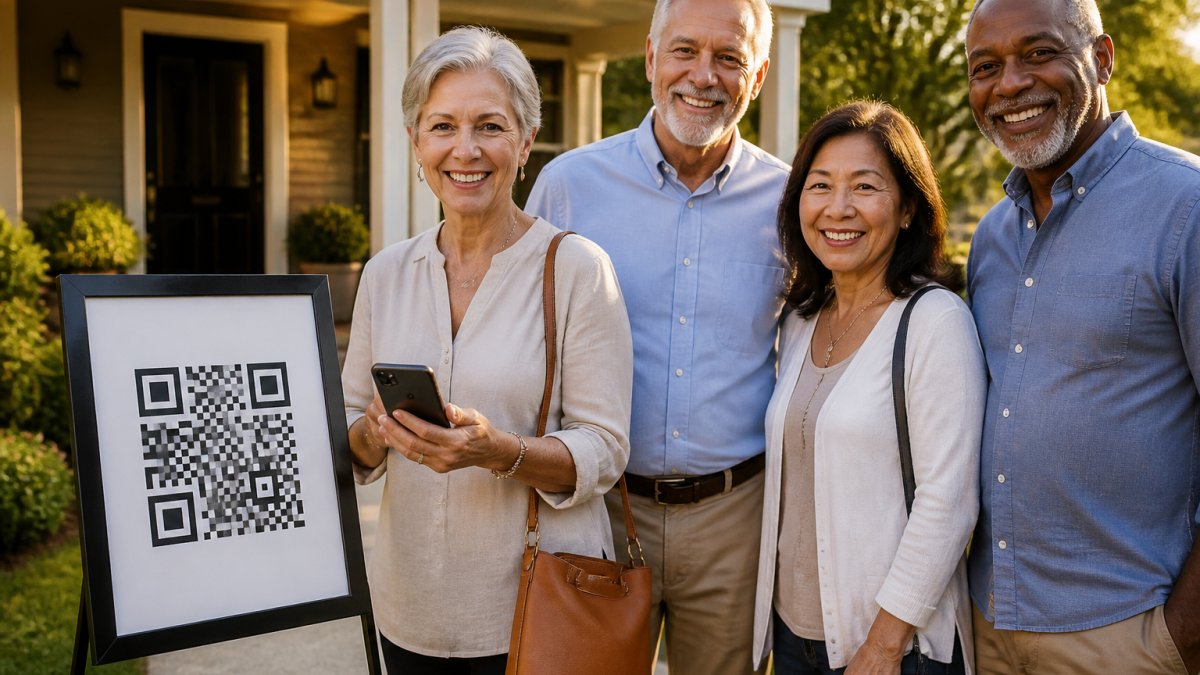
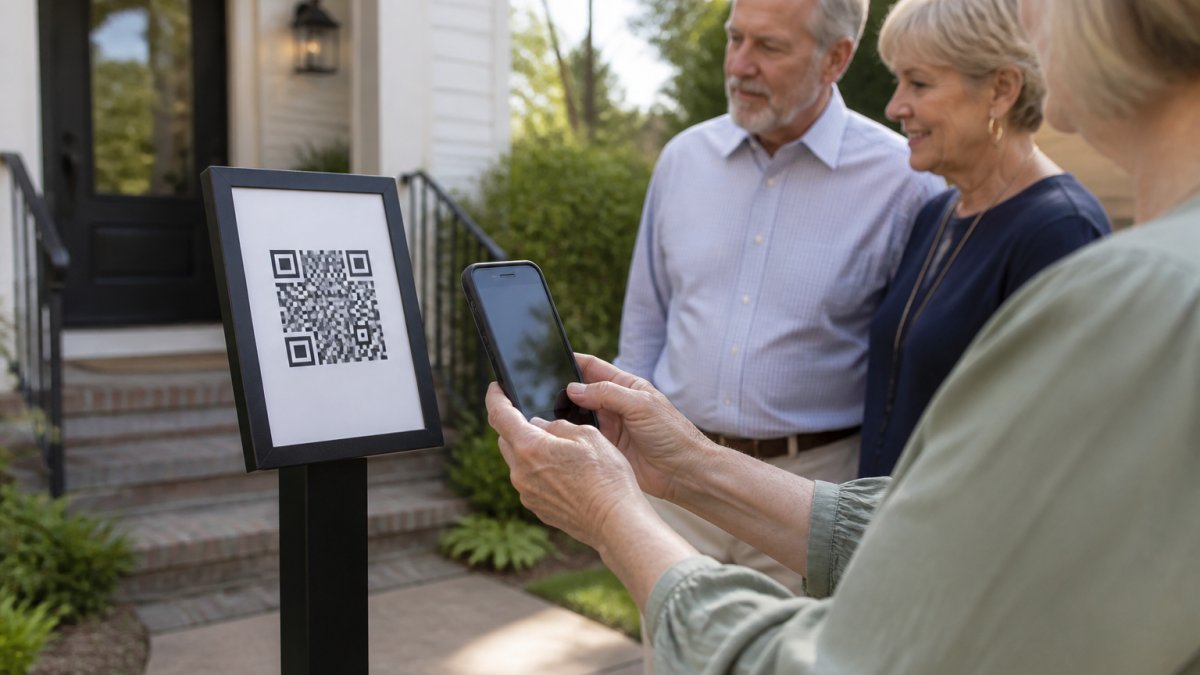
- Replace paper sign-in sheets with QR code alternatives that let visitors use their own phones with larger text options.
- Follow up the same day with a text or email that references something specific from your conversation.
- Offer a choice of contact methods and respect preferences for phone calls over digital communication.
Table of Contents
- Why Older Buyers Matter at Open Houses
- Open House Conversation Starters That Respect Older Buyers
- Questions to Ask Home Buyers at an Open House
- How to Make a Home Accessible for Older Adults During Tours
- Using Open House Sign-In Sheet Alternatives for Better Capture
- Pacing the Tour and Managing Comfort for Older Visitors
- Following Up With Older Buyers After the Open House
- Frequently Asked Questions
Why Older Buyers Matter at Open Houses
Older home buyers represent a significant and growing segment of the real estate market, yet many agents struggle to engage older home buyers effectively at open houses.
Research from NAR's Media Hooks for REALTOR® Open Houses shows that 49% of buyers ages 45-64 use open houses in their home search, the same rate as younger buyers ages 25-44.
At ohACCESS, we understand that an open house sign-in process can sometimes be a barrier.
When you engage older home buyers effectively, you unlock qualified leads that other agents miss. These buyers often have:
- Down payments ready (many use proceeds from selling a previous home)
- Clear timelines and buying intent
- Fewer competing offers (less bidding wars)
- Long-term property loyalty (they plan to stay)
The challenge isn't whether older buyers attend open houses. It's making them feel welcome and capturing their information in a way that respects their preferences and comfort level.
Open House Conversation Starters That Respect Older Buyers
Starting a conversation with an older buyer requires a shift in approach. Skip the rushed pitch. Instead, ask genuine questions that show you've thought about their actual priorities.
Strong opening questions include:
- "What brings you to this neighborhood?" (Lets them lead with what matters to them, not your listing features)
- "Are you relocating, downsizing, or looking for something different?" (Acknowledges that older buyers often have specific life-stage needs)
- "What's most important to you in a home right now?" (Open-ended, respectful, and reveals priorities)
- "Have you lived in this area before, or would this be new?" (Shows you see them as individuals, not just buyers)
These starters work because they listen first. Older buyers appreciate agents who ask before they tell.
Avoid these common mistakes:
- "This home is perfect for someone your age" (Patronizing and assumes needs based on age)
- "You'll love how easy this is to maintain" (Implies they can't handle complexity)
- "It's great for downsizing" (Assumes they want less; some want more)
- "The stairs might be a concern" (Projects limitations they haven't mentioned)
The best conversations with older buyers flow naturally from genuine curiosity. Ask about their family, their work history, why they're moving now. Listen to their answers. Then connect the home's features to what they actually said they need.
Questions to Ask Home Buyers at an Open House
Asking the right questions helps you understand whether a buyer is serious and what they truly need. These questions work across all age groups but are especially effective with older buyers who value substance over speed.
Ask these questions early in the tour:
- "What does your ideal home look like?" (Reveals priorities before you show them around)
- "How long are you planning to stay in a home?" (Signals commitment and life-stage thinking)
- "What's your timeline for moving?" (Separates tire-kickers from serious buyers)
- "Are you working with another agent?" (Clarifies representation and lead ownership)
- "What was your home search like before you found this one?" (Builds rapport and reveals frustrations)
Mid-tour questions keep engagement high:
- "How do you feel about the layout so far?" (Gets real-time feedback)
- "Is there anything you'd want to change about this space?" (Practical, not judgmental)
- "Does this feel like it could work for your lifestyle?" (Ties features to their actual life)
End-of-tour questions capture intent:
- "On a scale of 1 to 10, how does this home feel to you?" (Direct feedback without pressure)
- "What would make this the right home for you?" (Identifies missing elements)
- "Would you like to schedule a private showing?" (Clear next step)
The key is listening more than talking. Older buyers often know exactly what they want. Your job is to ask, listen, and connect the dots.
How to Make a Home Accessible for Older Adults During Tours
Accessibility isn't just about ramps and grab bars. It's about how you physically guide the tour, manage pace, and remove friction from the experience.
Start before the tour begins:
- Greet visitors at the entrance. Don't make them search for you.
- Offer a chair in the entryway. Some older buyers need a moment to catch their breath.
- Point out handrails, step heights, and uneven surfaces before they encounter them.
- Ask if they'd like to take the tour at a slower pace or skip any areas.
During the tour, manage these details:
- Walk slowly. Let them set the pace, not you.
- Describe what's ahead: "There are three steps down into the living room" or "The hallway is narrow here."
- Avoid blocking doorways. Give them clear sightlines and room to move.
- Use good lighting. Older eyes need more light to see detail. Open curtains. Turn on lights in every room.
- Point out grab bars, accessible showers, and step-free entries if they exist.
- Mention practical features: thermostat location, water heater access, electrical panel, main shut-offs.
After the tour, address comfort:
- Offer water or a place to sit.
- Ask if they have questions or concerns.
- Don't rush them out. Some older buyers need time to process.
These small gestures signal respect and professionalism. They also reduce the chance an older buyer leaves because they felt rushed or uncomfortable.
Using Open House Sign-In Sheet Alternatives for Better Capture
Paper sign-in sheets fail with older buyers. They're hard to read, easy to fake, and slow to process. Many older visitors skip them entirely or write illegible information.
Digital alternatives work better, but only if they're designed with older users in mind. Small text, complex flows, and required app downloads all create barriers.
Consider these alternatives to paper:
- Digital forms on personal phones (visitors use their own device, larger text options, familiar interface)
- QR codes with simple forms (quick to scan, no app needed, one-tap registration)
- Tablet check-in at the door (visible and professional, but requires agent management)
- Verbal registration with agent follow-up (personal but time-consuming; good for high-touch markets)
The best solution eliminates friction while capturing verified information. When visitors scan a QR code and fill a form on their own phone, they control text size and can take their time.
digital sign in sheets for realtors(page:1) systems like ohACCESS deliver leads directly to your CRM automatically, so you don't have to manually type or verify contact info.
For visitors without smartphones, keep a paper backup or ask their permission to enter their info verbally. Learn how to handle older visitors who may not have smartphones when capturing their information. Respect their preference.
| Method | Speed | Data Quality | Visitor Experience | CRM Integration |
|---|---|---|---|---|
| Paper sheet | Slow | Poor (illegible, fake names) | Impersonal | Manual entry |
| QR + mobile form | Fast | Excellent (verified) | Respectful | Automatic |
| Tablet at door | Fast | Good (legible) | Visible but formal | Manual or automatic |
| Verbal + follow-up | Slow | Moderate (dependent on agent) | Personal but time-intensive | Manual |
The goal is capturing real information from real buyers. Older visitors often appreciate being asked permission rather than handed a form.
Pacing the Tour and Managing Comfort for Older Visitors
Tour pacing determines whether an older buyer feels welcomed or rushed. It also affects how much they actually absorb about the property.
Set expectations upfront. Say: "We'll take this at whatever pace feels comfortable for you. Let me know if you'd like to skip any areas or if you need a break."
Pace the tour this way:
- Entryway and main living spaces first (15-20 minutes). These are where buyers spend most of their time. Give them room to explore and ask questions.
- Kitchen and bathrooms second (10-15 minutes). Older buyers often focus on these spaces. Point out storage, counter height, accessibility features.
- Bedrooms and secondary spaces last (5-10 minutes). These matter less to most buyers. Keep it brief unless they ask questions.
- Outdoor areas and parking (5 minutes). Mention condition, maintenance, and safety features.
Watch for signs of fatigue:
- Slowed walking or breathing changes
- Fewer questions (they may be tired, not uninterested)
- Sitting down or leaning against walls
- Checking their watch or phone
If you notice fatigue, offer a break. "Would you like to sit for a moment?" or "Can I get you some water?" keeps the tour comfortable and shows respect.
Avoid these pacing mistakes:
- Rushing through rooms to fit more into the tour
- Talking continuously without pausing for questions
- Saving the best rooms for last (older buyers may not make it that far)
- Pointing out every minor detail (overwhelming and exhausting)
A slower, more focused tour often converts better than a fast, comprehensive one. Older buyers remember how they felt, not how many square feet they saw.
Following Up With Older Buyers After the Open House
Follow-up is where most agents lose older buyers.
Follow up the same day if possible. Send a text or email within 2 hours of the open house closing.
Your follow-up should reference something specific from your conversation:
- GOOD: "Hi Margaret, thanks for coming by today. I loved hearing about your plans to downsize. I found three other homes in the neighborhood that might work even better for what you're looking for. Can we schedule a time to discuss?"
- BAD: "Thanks for visiting! Check out our listings at [generic link]."
Offer a choice of contact methods.
Schedule a private showing within 48 hours if they expressed serious interest. Don't wait a week. Momentum matters.
For visitors without smartphones or who seemed hesitant about technology, follow up by phone.
Track follow-up conversations. Note what they said, what they're looking for, and when to check back in.
Engaging older home buyers at open houses starts with respect and ends with real results.
Start with genuine conversation. Move at their pace. Capture their information in a way that respects their comfort. Follow up with something personal.
Frequently Asked Questions
What's the best way to engage older home buyers without making assumptions about their needs?
Start by asking open-ended questions about their priorities: 'What brought you to the open house today?' or 'Are you exploring options in this neighborhood?' Listen to their answers before offering information. Avoid phrases that imply age-related limitations. Treat them as decision-makers with specific life-stage goals, whether that's downsizing, finding accessibility features, or being closer to family. Respect their pace and let them lead the conversation.
How can I collect visitor information at an open house without interrupting the tour?
Use a verified digital check-in system like ohACCESS, which replaces paper sign-in sheets. Visitors scan a QR code on their phone, fill out a quick form with their name, email, phone, and buying timeline, and instantly receive two codewords, one by text and one by email. They tell a codeword to you at the door to enter. This captures verified contact information without disrupting the tour, and you get an instant alert with their details so you can personalize your conversation.
What accessibility features should I highlight to older home buyers?
Point out single-floor living, grab bars, wide doorways, accessible bathrooms, and slip-resistant flooring. Mention proximity to parking, the absence of steep stairs, and good lighting throughout. If the home has an elevator, accessible kitchen counters, or a main-floor bedroom and bath, highlight these early. Ask if they have specific accessibility needs, mobility concerns, vision or hearing considerations, so you can focus on the features that matter most to them.
How quickly can I send a report to the seller after an open house?
With ohACCESS, you can generate a one-tap Seller Report immediately after the open house ends. The report shows aggregate data: total registered visitors, how many plan to buy within 6 months, the buying-timeline breakdown, average home rating, price verdict, and answers to any custom questions you asked. The report protects visitor privacy by showing no names, contact info, or arrival times, only the insights sellers need to understand buyer interest.

Frequently asked questions
What's the best way to engage older home buyers without making assumptions about their needs?
Start by asking open-ended questions about their priorities: 'What brought you to the open house today?' or 'Are you exploring options in this neighborhood?' Listen to their answers before offering information. Avoid phrases that imply age-related limitations. Treat them as decision-makers with specific life-stage goals—whether that's downsizing, finding accessibility features, or being closer to family. Respect their pace and let them lead the conversation.
How can I collect visitor information at an open house without interrupting the tour?
Use a verified digital check-in system like ohACCESS, which replaces paper sign-in sheets. Visitors scan a QR code on their phone, fill out a quick form with their name, email, phone, and buying timeline, and instantly receive two codewords—one by text and one by email. They tell a codeword to you at the door to enter. This captures verified contact information without disrupting the tour, and you get an instant alert with their details so you can personalize your conversation.
What accessibility features should I highlight to older home buyers?
Point out single-floor living, grab bars, wide doorways, accessible bathrooms, and slip-resistant flooring. Mention proximity to parking, the absence of steep stairs, and good lighting throughout. If the home has an elevator, accessible kitchen counters, or a main-floor bedroom and bath, highlight these early. Ask if they have specific accessibility needs—mobility concerns, vision or hearing considerations—so you can focus on the features that matter most to them.
How quickly can I send a report to the seller after an open house?
With ohACCESS, you can generate a one-tap Seller Report immediately after the open house ends. The report shows aggregate data: total registered visitors, how many plan to buy within 6 months, the buying-timeline breakdown, average home rating, price verdict, and answers to any custom questions you asked. The report protects visitor privacy by showing no names, contact info, or arrival times—only the insights sellers need to understand buyer interest.
Keep reading
Start free with 25 verified check-ins. No credit card required.
Start Free