Data Privacy Best Practices for Real Estate Agents
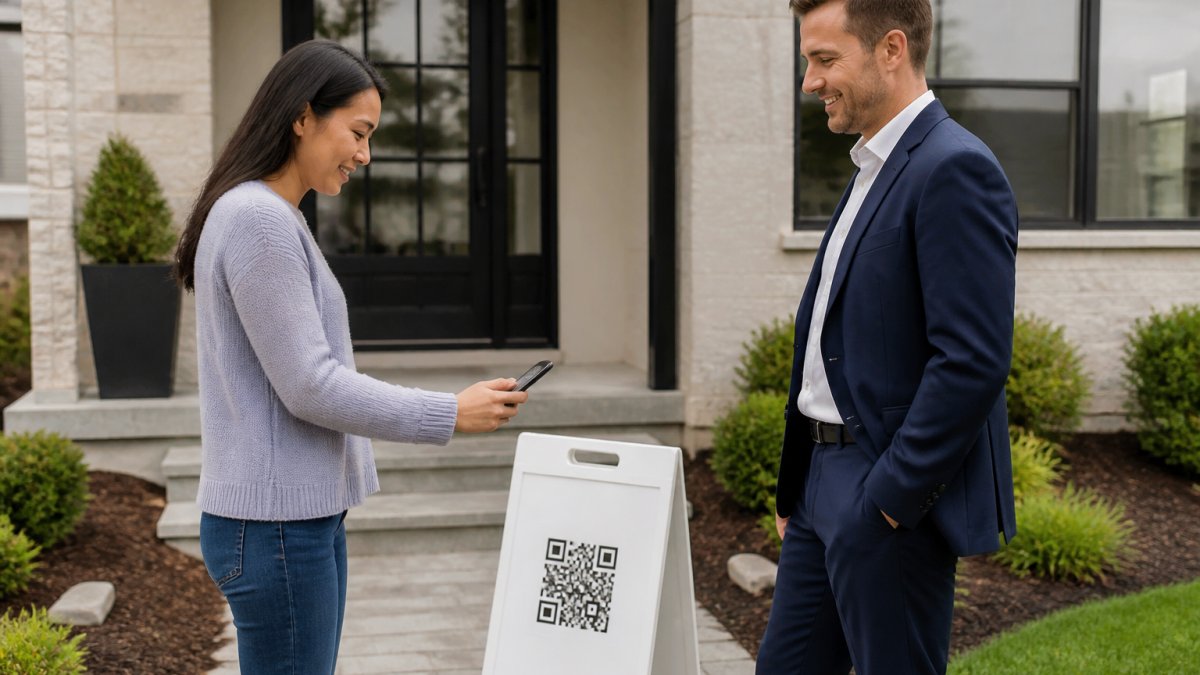
Table of Contents
- Why Data Privacy and Security Matter in Real Estate
- Types of Sensitive Information Real Estate Agents Handle
- How to Protect Client Information in Real Estate
- Open House Visitor Data Privacy and Verification
- Real Estate Data Privacy Checklist
- Real Estate Data Retention Policy and Lifecycle
- Wire Fraud Prevention and Phishing Awareness
- Incident Response and Breach Notification
- Frequently Asked Questions
Last Updated: October 6, 2026
Why Data Privacy and Security Matter in Real Estate
Data privacy best practices are essential in real estate because agents handle sensitive client information throughout every transaction. A single breach exposes clients to identity theft, fraud, and unwanted solicitation, and exposes you to liability, reputation damage, and lost business.
Clients expect their information to remain confidential, and regulatory frameworks like state data security laws and the FTC's Safeguards Rule require reasonable security measures. Fail to protect client data and you risk legal consequences and lawsuits.
The stakes are highest during open houses. Paper sign-in sheets leave visitor contact information visible to anyone, fake names and invalid phone numbers waste your follow-up time, and unverified data creates compliance gaps: you cannot prove visitors consented to marketing communications. Verified digital check-in tools like ohACCESS eliminate the guesswork by capturing real, verified contact information on the spot.
Types of Sensitive Information Real Estate Agents Handle
Real estate agents collect and store multiple categories of personal information. Understanding what you hold helps you protect it appropriately.
Contact information includes names, phone numbers, email addresses, and mailing addresses, provided during consultations, open houses, and transaction setup.
Financial information covers income, credit scores, loan pre-approval letters, bank statements, and down-payment amounts, shared by lenders and title companies during underwriting or disclosed by clients during listing consultations.
Property details include home addresses, square footage, lot size, condition assessments, and renovation histories.
Personal preferences and buying timelines reveal when clients plan to purchase, their budget ranges, desired neighborhoods, and family size, valuable for targeted marketing but sensitive if disclosed without consent.
Documentation includes signed contracts, disclosures, inspection reports, appraisals, and HOA documents. These contain names, addresses, financial data, and sometimes health or family information.
Protecting these categories means controlling who accesses them, how long you retain them, and how you share them with third parties like lenders, inspectors, and title companies.
How to Protect Client Information in Real Estate
Strong, Unique Passwords and Multi-Factor Authentication
Strong passwords are your first line of defense. A weak password reused across accounts gives attackers easy access to your entire digital life.
Create passwords at least 12 characters long combining uppercase and lowercase letters, numbers, and symbols.
Multi-factor authentication (MFA) adds a second verification step beyond your password: a code via text, email, or an authenticator app that expires quickly and is unique to that login attempt.
Enable MFA on every account containing client data: email, CRM, document storage, and financial portals. Authenticator apps like Google Authenticator or Microsoft Authenticator are more secure than SMS codes because they are not vulnerable to SIM-swap attacks.
Password managers like 1Password and Bitwarden store credentials securely, generate random complex passwords, and auto-fill login forms. Teams can share credentials through secure vaults instead of emailing passwords or writing them on sticky notes.
Secure Email, Messaging, and Document Sharing
Email is your primary client communication channel, but standard email is not encrypted, anyone with access to email servers can read your messages.
Avoid sending Social Security numbers, bank account details, or loan documents via plain-text email. Use secure document-sharing platforms instead: Dropbox, Google Drive, and Microsoft OneDrive encrypt files in transit and at rest, and let you set expiration dates on shared links and revoke access.
For highly sensitive communications, use end-to-end encrypted messaging apps like Signal and WhatsApp, where only the sender and recipient can read messages.
When sharing documents with lenders, inspectors, or title companies, use services that track who accessed the file and when. DocuSign and similar e-signature platforms create an audit trail showing when documents were signed and by whom.
Encryption and Secure File Storage
Encryption converts readable data into scrambled code that requires a decryption key to read. Files encrypted with strong encryption (AES-256) are unreadable even if stolen.
Store client files in encrypted cloud storage like Dropbox, Google Drive, or Microsoft OneDrive, which encrypt files by default and let you control access to each folder or file. Enable two-factor authentication on that account so attackers cannot access it even with your password.
Encrypt your computer's hard drive using BitLocker (Windows) or FileVault (Mac) so a stolen laptop yields no files without your password.
When deleting files, use secure deletion tools that overwrite data multiple times. Standard deletion leaves data recoverable by forensic tools.
Open House Visitor Data Privacy and Verification
Open houses create a privacy challenge: you need visitor contact information, but paper sign-in sheets are insecure and unverified. They leave names and phone numbers visible to anyone walking through, visitors often provide fake names or invalid contact information to avoid follow-up calls, and you cannot prove they consented to marketing messages.
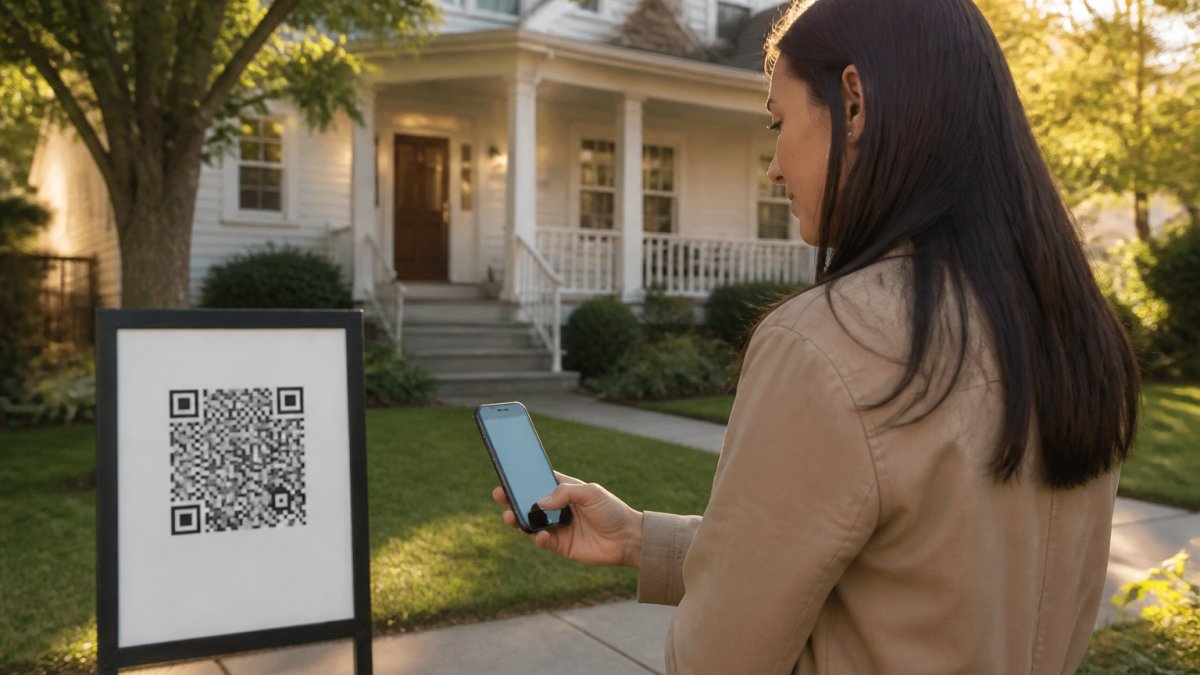
Digital check-in systems eliminate these problems. ohACCESS replaces paper sign-in sheets with QR-code-based verification. Visitors scan the QR code on their own phones, complete a short form with their name, email, phone, and buying timeline, and instantly receive two codewords, one by text and one by email. They tell a codeword to you at the door, which proves their phone number and email are real and theirs.
Because visitors verify their contact information themselves, you know the data is accurate and have proof of consent. The system supports 16 languages and delivers codewords via WhatsApp for international visitors. After the open house, you can share a one-tap Seller Report with the homeowner showing aggregate visitor counts, buying timelines, and feedback, without exposing individual visitor contact information.
Real Estate Data Privacy Checklist
Use this checklist to audit your current data privacy practices and identify gaps.
| Practice | Status | Owner | Target Date |
|---|---|---|---|
| All team members have strong, unique passwords | [ ] | ||
| Multi-factor authentication enabled on all business accounts | [ ] | ||
| Password manager deployed for the team | [ ] | ||
| Email accounts use encrypted document sharing for sensitive files | [ ] | ||
| Client files stored in encrypted cloud storage | [ ] | ||
| Computer hard drives encrypted (BitLocker / FileVault) | [ ] | ||
| Open house sign-in process verified (QR-code or digital form) | [ ] | ||
| Privacy policy written and shared with clients | [ ] | ||
| Team trained on phishing and wire fraud | [ ] | ||
| Incident response plan documented | [ ] | ||
| Third-party vendor contracts reviewed for data handling | [ ] | ||
| Data retention policy established and enforced | [ ] |
Real Estate Data Retention Policy and Lifecycle
Keeping client data longer than necessary increases your liability. A data retention policy defines how long you keep information and when you delete it.
Active transaction phase: Keep all documents and communications during the transaction, contracts, disclosures, inspection reports, appraisals, and loan documents, for at least three years after closing to handle disputes and tax audits.
Post-transaction phase: After three years, delete or anonymize client files, removing names, addresses, phone numbers, and financial details, and keep only transaction records needed for CRM reporting and tax compliance.
Archived data: If you keep archived files for legal or compliance reasons, store them in encrypted, access-restricted folders. Document why you are keeping the data and set a deletion date.
Document your retention policy in writing. Share it with your team and your clients. When clients request deletion of their information, honor the request within 30 days and document that you did so.
Wire Fraud Prevention and Phishing Awareness
Wire fraud is the most expensive threat to real estate transactions. Criminals impersonate lenders, title companies, or other parties and redirect wire transfers to fraudulent accounts, costing victims tens of thousands of dollars in seconds.
Phishing emails trick you into revealing passwords or clicking malicious links.
Verify wire instructions by phone. Never wire funds based on an email request alone. Call the lender or title company using a phone number from their official website, not a number in the email.
Check email sender addresses carefully. Attackers use addresses that look similar to legitimate ones: lender-support@lenderservices.com instead of support@lender.com. Hover over the sender name to reveal the actual email address.
Never click links in emails requesting account updates. Legitimate companies ask you to log in through their website directly, not through email links.
Train your team on these tactics. Share examples of phishing emails and wire fraud attempts, create a culture where team members report suspicious emails before clicking, and run simulated phishing campaigns to identify who needs additional training.
Incident Response and Breach Notification
Despite your best efforts, breaches happen. An incident response plan tells your team what to do immediately when a breach is discovered.
Step 1: Isolate the breach. Change the password immediately and enable MFA if it was not already active.
Step 2: Notify your team. Alert leadership and IT staff without minimizing or delaying. Early action limits damage.
Step 3: Assess the scope. Determine what data was accessed, when, and how many clients are affected. Review access logs and security alerts, and document everything.
Step 5: Report to regulators if required. Some states require breach notification to the state attorney general if a large number of residents are affected.
Step 6: Review and improve. Conduct a post-mortem: what allowed the breach, and how can you prevent it in the future?
Data privacy is not a one-time project, it is an ongoing practice. Start by securing your most sensitive information: email accounts, CRM systems, and client files.
The investment in data privacy protects your clients, your business, and your reputation.
Frequently Asked Questions
How can real estate agents protect client information?
Agents protect client information by using strong, unique passwords with multi-factor authentication, encrypting sensitive files, storing documents in secure cloud platforms, and limiting access to client data on a need-to-know basis. Use encrypted email for sensitive communications, avoid public Wi-Fi for client work, and implement a data retention policy that deletes old client records after a set period. Regular staff training on phishing and data security is essential.
What is a real estate data retention policy?
A data retention policy defines how long you keep client information and when it must be deleted. Most agents should retain transaction documents for 3-7 years for legal and tax purposes, but personal information collected at open houses can be purged sooner if no transaction occurs. Document your retention schedule in writing, set calendar reminders for deletion, and use tools with automatic purge features to comply with state data security laws and reduce breach risk.
How can agents protect visitor information at an open house?
Collect only essential information: name, email, phone, and buying timeline. Use a verified digital check-in system instead of paper sign-in sheets, which are easily lost or exposed. Ensure visitors understand how their data will be used through a privacy notice. Store visitor contact information securely, limit staff access, and delete records after a reasonable period if no transaction occurs. Never share visitor details with sellers without consent.
What should a real estate agent do if client data is exposed?
Immediately investigate the breach to determine what data was exposed and how. Notify affected clients within 30 days as required by most state data security laws. Document the incident, preserve evidence, and contact your cyber liability insurance carrier. Review your security practices to prevent recurrence, update your privacy policy if needed, and consider offering affected clients credit monitoring. Keep detailed records of all breach notifications and remediation steps taken.
What personal information should real estate agents collect?
Collect only information necessary for the transaction: name, email, phone number, and buying timeline. At open houses, avoid requesting Social Security numbers, financial information, or identification unless absolutely required for a specific transaction. Ask visitors for consent before collecting data and explain how you will use and protect it. Minimize data collection to reduce breach risk and comply with privacy best practices.
How should real estate agents securely store client documents?
Use encrypted cloud storage platforms like Dropbox or Microsoft 365 with strong access controls and multi-factor authentication. Store documents in password-protected folders, limit access to team members who need it, and enable audit logs to track who accessed files and when. Never store sensitive documents on personal devices or unencrypted external drives. Regularly back up critical files and delete outdated documents according to your retention policy.
Frequently asked questions
How can real estate agents protect client information?
Agents protect client information by using strong, unique passwords with multi-factor authentication, encrypting sensitive files, storing documents in secure cloud platforms, and limiting access to client data on a need-to-know basis. Use encrypted email for sensitive communications, avoid public Wi-Fi for client work, and implement a data retention policy that deletes old client records after a set period. Regular staff training on phishing and data security is essential.
What is a real estate data retention policy?
A data retention policy defines how long you keep client information and when it must be deleted. Most agents should retain transaction documents for 3-7 years for legal and tax purposes, but personal information collected at open houses can be purged sooner if no transaction occurs. Document your retention schedule in writing, set calendar reminders for deletion, and use tools with automatic purge features to comply with state data security laws and reduce breach risk.
How can agents protect visitor information at an open house?
Collect only essential information: name, email, phone, and buying timeline. Use a verified digital check-in system instead of paper sign-in sheets, which are easily lost or exposed. Ensure visitors understand how their data will be used through a privacy notice. Store visitor contact information securely, limit staff access, and delete records after a reasonable period if no transaction occurs. Never share visitor details with sellers without consent.
What should a real estate agent do if client data is exposed?
Immediately investigate the breach to determine what data was exposed and how. Notify affected clients within 30 days as required by most state data security laws. Document the incident, preserve evidence, and contact your cyber liability insurance carrier. Review your security practices to prevent recurrence, update your privacy policy if needed, and consider offering affected clients credit monitoring. Keep detailed records of all breach notifications and remediation steps taken.
What personal information should real estate agents collect?
Collect only information necessary for the transaction: name, email, phone number, and buying timeline. At open houses, avoid requesting Social Security numbers, financial information, or identification unless absolutely required for a specific transaction. Ask visitors for consent before collecting data and explain how you will use and protect it. Minimize data collection to reduce breach risk and comply with privacy best practices.
How should real estate agents securely store client documents?
Use encrypted cloud storage platforms like Dropbox or Microsoft 365 with strong access controls and multi-factor authentication. Store documents in password-protected folders, limit access to team members who need it, and enable audit logs to track who accessed files and when. Never store sensitive documents on personal devices or unencrypted external drives. Regularly back up critical files and delete outdated documents according to your retention policy.
Keep reading
Start free with 25 verified check-ins. No credit card required.
Start Free