Real Estate Open House Software Pricing: 2026 Guide
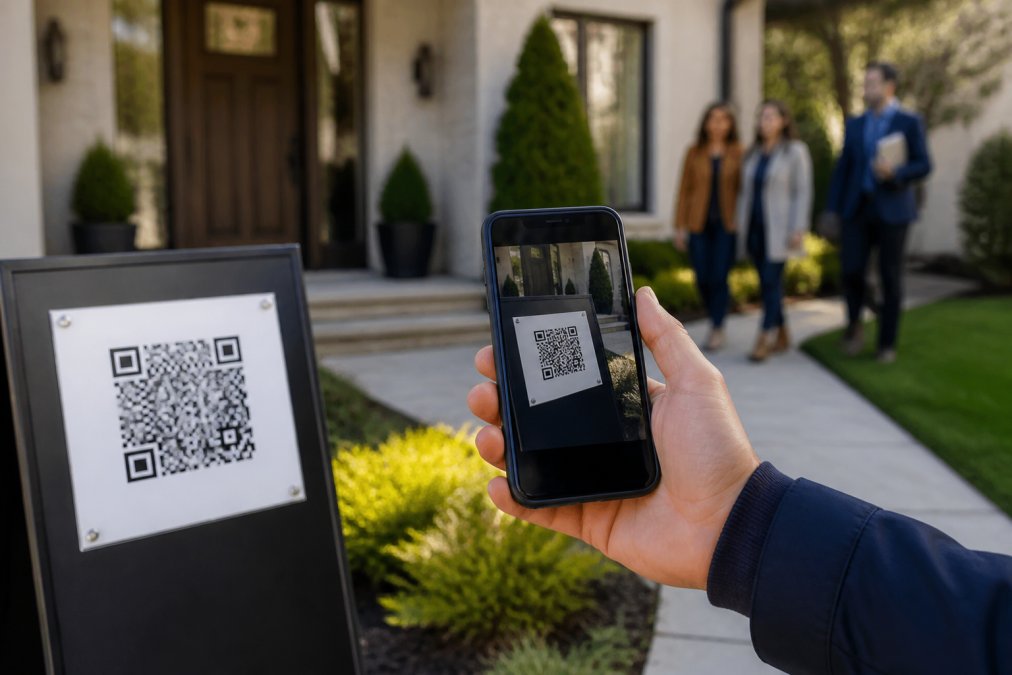
Table of Contents
- Real Estate Open House Software Pricing: What You Need to Know
- Feature Comparison: Best Open House Sign-In Apps
- Digital Open House Sign-In Sheet Solutions
- Open House Lead Generation Software: Pricing Models Explained
- Real Estate CRM with Open House Features: Integration & Scalability
- Hidden Costs & ROI: What Agents Actually Pay
- Which Platform Fits Your Budget and Workflow?
- Conclusion: Making Your Open House Software Decision
Last Updated: July 31, 2026
Real Estate Open House Software Pricing: What You Need to Know
When agents ask about real estate open house software pricing, they're usually wrestling with the same problem: paper sign-in sheets capture garbage data, fake contact information wastes follow-up time, and there's no proof of turnout to show homeowners. The market has exploded with solutions over the past few years, but pricing models vary wildly, from genuinely free tools to enterprise platforms that cost hundreds monthly. At ohACCESS, we've tracked how agents evaluate these platforms and what actually moves the needle on lead quality versus cost.
The real question isn't "what's the cheapest option?" It's "which tool eliminates fake leads, integrates with my CRM, and doesn't require manual data cleanup?" This guide breaks down the real estate open house software pricing landscape for 2026, comparing feature sets, hidden costs, and what you actually pay when you factor in setup, team add-ons, and integration fees.
Feature Comparison: Best Open House Sign-In Apps
The best open house software depends entirely on your volume, team size, and whether you need CRM integration or just basic lead capture. Some platforms charge per property, others per user, and a few offer genuinely unlimited everything on a free tier. The differences matter more than the price tags themselves.

How We Evaluated These Platforms
We looked at eight platforms across five key dimensions: lead data accuracy (the core problem), ease of setup and daily use, CRM integration depth, pricing transparency, and scalability from solo agents to multi-office brokerages. We prioritized tools that actually solve the fake-lead problem rather than just digitizing paper sheets.
The evaluation framework matters because many platforms claim to capture leads but don't verify contact information. A tool that accepts any email address and phone number is just a digital version of the problem it's supposed to solve. We weighted verified entry systems heavily, platforms that require real contact data to proceed, because that's where the actual value lives.
Digital Open House Sign-In Sheet Solutions
A digital open house sign-in sheet replaces the clipboard with a mobile-first form, usually deployed on an iPad or accessed via QR code from visitors' own phones. The best versions don't just collect data, they verify it, sync it automatically to your CRM, and generate reports without manual work.
Verified QR-Code Entry vs. Traditional Check-In
The fundamental difference between basic digital sheets and verified systems comes down to one thing: do visitors have to prove they're real? Traditional check-in (even digital versions) accepts whatever someone types. Verified QR-code systems require that contact information actually work before the visitor gets access.
Here's how verified entry works: visitor scans QR code, enters phone and email, receives one-time codewords by both text and email, shares a codeword with the host at the door, and only then gets property access. No valid contact info, no codeword, no entry. This eliminates the fake names, competitor scouts, and invalid email addresses that plague open houses.
The trade-off is friction. Some visitors will abandon the process if they don't want to share real contact information. That's actually the point, you're filtering for serious buyers and agents who respect privacy boundaries. The leads you do capture are qualified by definition because they went through verification.
Traditional digital sheets are faster (no verification step) but capture worthless data at scale. Verified systems take 45 seconds longer per visitor but ensure every lead is real. For agents doing multiple open houses weekly, that's the difference between spending hours cleaning data and having clean data from minute one.
Open House Lead Generation Software: Pricing Models Explained
Real estate open house software pricing falls into three buckets: completely free, freemium with paid upgrades, and subscription-only. Understanding which model you're in determines whether you're paying hidden costs later.
Free Tier vs. Paid Plans: Total Cost of Ownership
Free tiers sound great until you hit limits. Some platforms offer unlimited properties and registrants but restrict features like CRM sync or custom branding. Others limit you to a certain number of open houses per month or cap registrants at 50 per event.
The total cost of ownership question is whether you'll outgrow the free tier before you've recouped the switching cost. If you're a solo agent doing one open house every two weeks, a free tool might work forever. If you're doing three to four open houses weekly, you'll hit feature limits within a month.
Pricing for paid plans depends on quantity, dates, and delivery. The real hidden costs are integration fees (some platforms charge extra to sync with specific CRMs), setup fees (rare but they exist), and team member add-ons beyond the included count.
| Pricing Model | Best For | Hidden Costs |
|---|---|---|
| Free tier | Solo agents, low volume | Feature limits, data export restrictions |
| Freemium | Growing teams | Per-user add-ons, integrations |
| Subscription | Multi-office brokerages | Setup fees, custom integrations |
| Enterprise | Large brokerages | Implementation, training, support |
Real Estate CRM with Open House Features: Integration & Scalability
Some platforms are pure open house tools. Others bundle open house functionality into a broader CRM system. The choice between them depends on whether you want a specialized tool or an all-in-one platform.
Specialized open house tools (like ohACCESS) excel at one thing: capturing verified leads at the property and syncing them to your CRM. They're lightweight, easy to deploy, and don't require learning a new contact management system. You use them for open houses, then your CRM handles follow-up.
Full CRM platforms with open house modules (kvCORE, Wise Agent, LionDesk) bundle lead capture with contact management, email automation, and transaction tracking. The advantage is a unified system, one login, one database, one source of truth. The disadvantage is complexity and cost. You're paying for CRM features you might not need just to get open house functionality.
Brokerage vs. Solo Agent Plans: What Changes With Scale
Solo agent plans are simple: flat monthly fee, unlimited properties, unlimited registrants. You get what you pay for.
Brokerage plans introduce complexity. Some platforms charge per agent. Others charge per office. A few charge a base fee plus per-agent add-ons, which is usually the middle ground.
The real difference at scale is standardization. Brokerages need all agents using the same tool with the same branding, the same data structure, and compliance-ready reporting. A platform that works great for one agent might create chaos when 20 agents are using it simultaneously and data is getting siloed across different CRM accounts.
Scalability also means uptime and support. Solo agents can tolerate occasional downtime. Brokerages running 50+ open houses per weekend cannot. Enterprise-tier platforms include redundancy, dedicated support, and service-level agreements. Free and cheap tools don't.
Hidden Costs & ROI: What Agents Actually Pay
The sticker price is rarely what you actually pay. Setup fees, integration costs, team add-ons, and data export restrictions add up fast.
Setup Fees, Team Add-Ons, and Integration Costs
Some platforms charge to set up your account, configure your branding, and connect your CRM. Others include setup for free. The difference isn't always transparent until you're mid-onboarding.
Team add-ons vary widely. Some platforms include team members in the base plan and charge per additional user. Others charge per user from the start.
Integration costs are the sneakiest hidden expense. Connecting your open house tool to Salesforce, HubSpot, or another CRM sometimes requires a developer or a paid integration service. Some platforms integrate freely with popular CRMs. Others charge per integration or require custom development.
Data export and compliance features sometimes live behind paywalls. If you need to export visitor data for compliance audits or migrate to a different system, some platforms charge per export or restrict the format you can download.
Calculating Your Return on Investment
The ROI calculation for open house software is straightforward: how much time does it save, and how much does that time cost?
Manual data entry from paper sheets takes 15-30 minutes per open house. If you're doing three open houses weekly, that's 45-90 minutes of data cleanup every week. At $75/hour billable time, that's $57-114 weekly or $3,000-6,000 annually just on data entry.
A tool that eliminates manual entry pays for itself in pure time savings alone. Add in the value of cleaner lead data (fewer fake leads to follow up on, faster response time, higher conversion rate), and the ROI becomes obvious.
The harder question is: does verified entry actually improve close rates? If fake leads waste 5 hours per month on follow-up that goes nowhere, and verified entry eliminates 80% of those, you're recovering 4 hours monthly or 48 hours annually. That's worth $3,600 at $75/hour.
Most agents see ROI within 30-60 days of switching to a verified system, purely from time savings. The lead quality improvement is a bonus.
Which Platform Fits Your Budget and Workflow?
The right choice depends on three factors: your volume, your team size, and whether you need verified entry or just basic digital capture.
Solo Agents: Free vs. Premium Trade-Offs
A solo agent doing one to two open houses monthly can use a free tool forever and never hit limits. ohACCESS offers a free trial that includes your first 25 visitor registrations with every feature — no credit card required. The trade-off is branding (some free tools require their logo on your sign-in screen) and support (free tiers get community support, not dedicated help).
A solo agent doing three to four open houses weekly should consider a paid plan. The cost is offset by the time saved on data cleanup and the improved lead quality.
The decision point usually comes at your first couple of open houses: the free trial covers 25 registrations, and beyond that the Pro plan ($15/month) keeps sign-ins unlimited — every feature is included on both.
Teams and Brokerages: Standardization and Compliance
Teams need consistency. If five agents are using five different open house tools, data is scattered across five databases, compliance reporting becomes a nightmare, and you can't track open house performance across the brokerage.
A team or brokerage should pick one platform and deploy it across all agents. This usually means a paid plan with team features.
The compliance angle matters more at scale. Real estate brokerages have obligations around data retention, privacy, and fair housing compliance. A platform that supports audit trails, data export, and compliance reporting is worth paying extra for, even if a cheaper alternative exists.
For a brokerage managing multiple offices, a custom CRM integration is usually necessary. The all-in-one approach ensures every agent is using the same system and data flows into a single compliance-ready database.
Conclusion: Making Your Open House Software Decision
The real estate open house software market in 2026 is fragmented enough that choosing the wrong tool costs you hours weekly in manual work and lost leads. The difference between a platform that verifies contact information and one that doesn't is the difference between qualified leads and wasted follow-up time.
Most agents underestimate the cost of bad data. Paper sheets and unverified digital forms capture fake names, invalid emails, and competitor scouts. Every hour spent cleaning that data is an hour not spent closing deals. ohACCESS solves this with verified QR-code entry: visitors scan, enter real contact info, receive one-time codewords by text and email, and share one with the host to gain property access. The result is clean lead data synced automatically to your CRM, one-tap seller reports, and instant agent notifications. Start free and scale as your open house volume grows.
Frequently Asked Questions
How much does real estate open house software typically cost per month?
Pricing varies widely depending on the platform and plan type. Free options exist for solo agents, while subscription-based solutions range across different tiers. Costs depend on factors like number of properties, team size, integration needs, and whether you need automated follow-up or advanced reporting. Visit individual platform websites for current pricing details and to compare plans that match your specific volume and feature requirements.
What's the difference between a digital open house sign-in sheet and paper sign-in sheets?
Digital sign-in sheets eliminate manual data entry, reduce fake contact information, and provide instant lead capture directly into your CRM. They enable automated follow-up, generate professional reports for sellers, and create a contactless experience. Paper sheets require manual transcription, are prone to illegible handwriting and false information, and don't integrate with your existing tools. Digital solutions save time and improve lead quality immediately.
Can open house lead generation software integrate with my existing CRM?
Most modern platforms offer CRM integration, though the depth and ease vary. Many support popular real estate CRMs through direct integrations or API connections. Some platforms sync automatically, while others require manual setup. Before choosing a solution, verify that it integrates with your specific CRM system and confirm whether integration is included in your plan or requires an additional fee.
Are there free open house sign-in apps for real estate agents?
Yes, several platforms offer free tiers or fully free options for individual agents. Free plans typically include digital sign-in, basic lead capture, and unlimited properties or registrants. However, free versions may have limitations on team seats, advanced reporting, custom branding, or integration capabilities. Premium plans unlock additional features like automated follow-up, team management, and brokerage-level customization.
What should I consider when comparing real estate open house software pricing?
Look beyond the monthly subscription cost. Consider setup fees, per-team-member costs, integration expenses, and whether advanced features like automated follow-up or custom branding are included or cost extra. Evaluate scalability, does pricing change if you run more open houses? Check if offline functionality is included. Compare total cost of ownership over a year, not just the advertised monthly rate, to make an informed decision.
This article was written using GrandRanker
Frequently asked questions
How much does real estate open house software typically cost per month?
Pricing varies widely depending on the platform and plan type. Free options exist for solo agents, while subscription-based solutions range across different tiers. Costs depend on factors like number of properties, team size, integration needs, and whether you need automated follow-up or advanced reporting. Visit individual platform websites for current pricing details and to compare plans that match your specific volume and feature requirements.
What's the difference between a digital open house sign-in sheet and paper sign-in sheets?
Digital sign-in sheets eliminate manual data entry, reduce fake contact information, and provide instant lead capture directly into your CRM. They enable automated follow-up, generate professional reports for sellers, and create a contactless experience. Paper sheets require manual transcription, are prone to illegible handwriting and false information, and don't integrate with your existing tools. Digital solutions save time and improve lead quality immediately.
Can open house lead generation software integrate with my existing CRM?
Most modern platforms offer CRM integration, though the depth and ease vary. Many support popular real estate CRMs through direct integrations or API connections. Some platforms sync automatically, while others require manual setup. Before choosing a solution, verify that it integrates with your specific CRM system and confirm whether integration is included in your plan or requires an additional fee.
Are there free open house sign-in apps for real estate agents?
Yes, several platforms offer free tiers or fully free options for individual agents. Free plans typically include digital sign-in, basic lead capture, and unlimited properties or registrants. However, free versions may have limitations on team seats, advanced reporting, custom branding, or integration capabilities. Premium plans unlock additional features like automated follow-up, team management, and brokerage-level customization.
What should I consider when comparing real estate open house software pricing?
Look beyond the monthly subscription cost. Consider setup fees, per-team-member costs, integration expenses, and whether advanced features like automated follow-up or custom branding are included or cost extra. Evaluate scalability—does pricing change if you run more open houses? Check if offline functionality is included. Compare total cost of ownership over a year, not just the advertised monthly rate, to make an informed decision.
Keep reading
Start free with 25 verified check-ins. No credit card required.
Start Free